wx

Search Products

Design Features and Functional Principles of Ceramic Valve Core in Fluid Control Systems

Design Features and Functional Principles of ceramic valve core in Fluid Control Systems

Enhancing Industrial Efficiency through Advanced Material Science and Precision Engineering.

Introduction: Overcoming the Challenges of Fluid Friction

In modern industrial environments, fluid control systems are often subjected to extreme pressure, corrosive chemicals, and abrasive particles. Traditional metal valve components frequently fail due to rapid wear or chemical oxidation, leading to costly downtime and maintenance. The core question for engineers today is: How can we ensure airtight sealing and smooth operation over millions of cycles in these harsh conditions?

The answer lies in advanced material innovation. This guide explores how the Ceramic Valve Core serves as a transformative solution, offering unmatched durability and precision. By the end of this article, you will understand the technical advantages of ceramic components and how CRAC (Chuangrui advanced ceramics) is leading the way in fluid control technology.

Understanding the Ceramic Valve Core

A Ceramic Valve Core is the internal functional heart of a valve system, responsible for regulating, starting, or stopping fluid flow. Unlike standard brass or stainless steel cores, these components are manufactured from high-performance ceramics such as Alumina (Al2O3) or Yttria-Stabilized Zirconia (YSZ).

The fundamental principle relies on the extreme hardness of the ceramic surface. When two polished ceramic discs rotate against each other, they create a near-perfect seal that is virtually immune to the scratching effects of sand or mineral scale. This makes them essential for mechanical engineering fields where reliability is non-negotiable.

Ceramic Valve Core Structure

Core Solutions: Why High-Performance Ceramics Outperform Metal

1. Superior Hardness

Ceramic materials used in our composite ceramic components rank just below diamond on the Mohs scale. This ensures the valve face remains smooth even when processing slurries containing abrasive solids.

2. Corrosion Resistance

Metal cores oxidize and corrode when exposed to acids or alkalis. The Ceramic Valve Core is chemically inert, maintaining its structural integrity in the most aggressive chemical processing environments.

3. Thermal Stability

Ceramics have a very low coefficient of thermal expansion. This allows the valve to maintain a precise seal regardless of temperature fluctuations, preventing leaks during thermal cycling.

Excellence in Engineering: The CRAC Advantage

With over a decade of experience, CRAC has perfected the art of precision ceramic injection molding (CIM). This allows us to produce Ceramic Valve Core units with micron-level tolerances, ensuring 100% compatibility with global valve housing standards.

Our quality control process includes ultrasonic flaw detection and rigorous pressure testing to ensure every part meets the highest industrial benchmarks. We provide high-performance solutions that help our partners improve manufacturing efficiency and reduce total cost of ownership.

A Real-World Application: Precision in Action

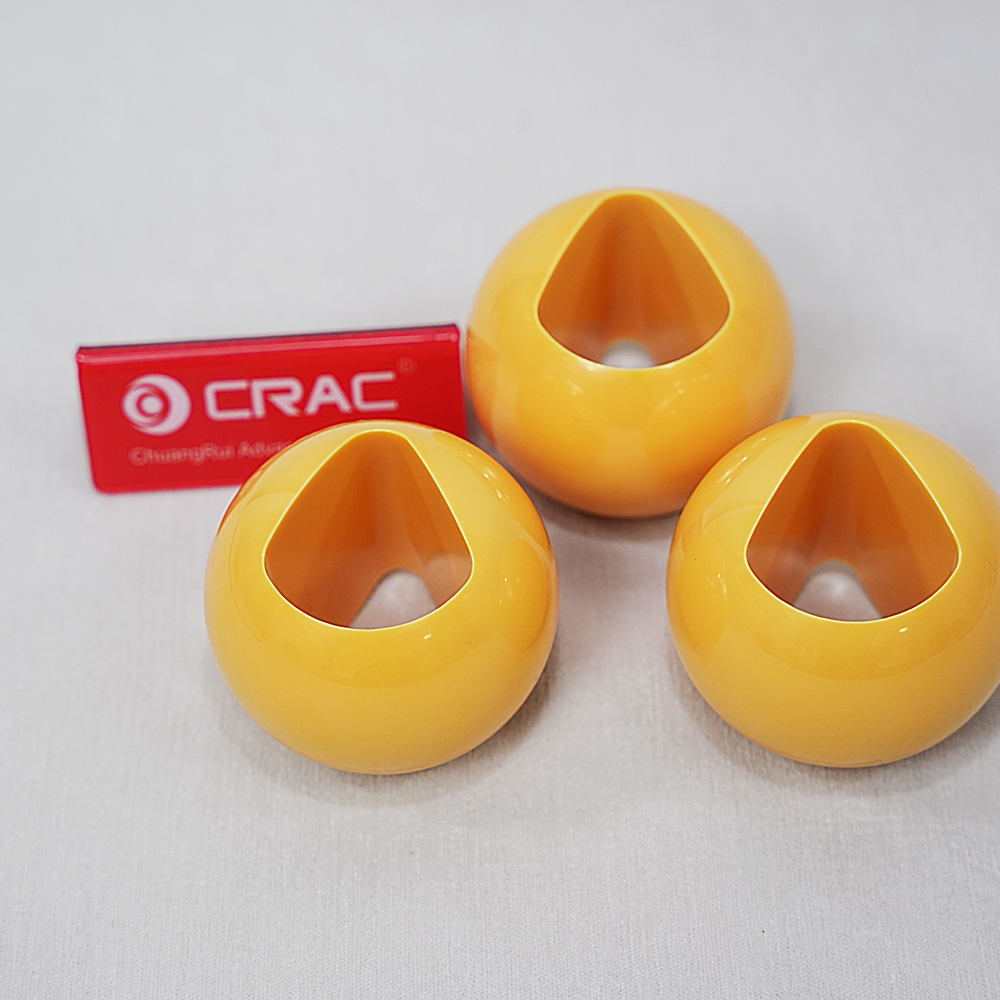
A U.S.-based advanced materials manufacturer required custom ceramic milling jars for a critical R&D process. The application demanded exceptional wear resistance, absolute chemical inertness, and flawless internal surface finishes to prevent sample contamination during high-energy ball milling.

The CRAC Solution: Our engineering team collaborated closely with the client to design and produce a batch of custom-sized alumina ceramic jars. Utilizing our proprietary injection molding and sintering technology, we achieved a density of >3.9 g/cm³ and a surface roughness (Ra) of less than 0.2 µm. Each unit underwent 100% dimensional inspection and pressure testing before shipment.

The Result: The jars performed beyond specification in the client's milling application, showing zero detectable wear after extended use and contributing to highly reproducible research outcomes. The client reported a significant reduction in process variability and has since standardized on CRAC components for multiple production lines.

Below is verified feedback from the project's procurement lead:

The client's review highlights our commitment to professional service, on-time delivery, and exceptional product quality.

CA
Caleb Alexander
Project Lead, Advanced Materials R&D | United States
Long-term partner since 2023

Customer Testimonials Image

Frequently Asked Questions (FAQ)

Q: Can the Ceramic Valve Core be customized for specific dimensions?

A: Yes. At CRAC, we specialize in custom engineering. We can manufacture cores according to your specific technical drawings or provide compatible replacement parts for existing systems.

Q: What is the typical lead time for industrial orders?

A: Standard orders usually ship within 2-4 weeks, depending on the complexity of the design and batch size.

Q: How do I verify the quality before placing a bulk order?

A: We are confident in our engineering. We offer free samples for qualified industrial partners to test in their specific applications. Please contact our technical team to request your evaluation kit.

Ready to Upgrade Your Fluid Control System?

Partner with CRAC for high-precision, wear-resistant ceramic solutions tailored to your industry.

© 2026 Chuangrui Advanced Ceramics (CRAC) | Email: crac@crac-cn.com

Expertise in Zirconia, Alumina, and Silicon Nitride Ceramic Manufacturing.

Get a Full Quote

Please write a email.