When engineers specify grinding media for a bead mill, one of the first binary choices they face is zirconia beads versus glass beads. At first glance, the decision may appear to hinge on a simple price-per-kilogram comparison — glass beads cost roughly one-tenth as much. But grinding media selection is never just about the purchase price. Wear rate, contamination potential, grinding efficiency, and total cost of ownership (TCO) all shift the equation dramatically once the mill starts running.
This article provides a thorough, data-driven comparison between yttria-stabilized zirconia (YSZ) beads and conventional soda-lime or borosilicate glass beads, examining the five dimensions that matter most in production environments: wear resistance, grinding efficiency, contamination control, chemical compatibility, and long-term economics. By the end, you will know exactly when glass is good enough — and when zirconia is the only practical answer.
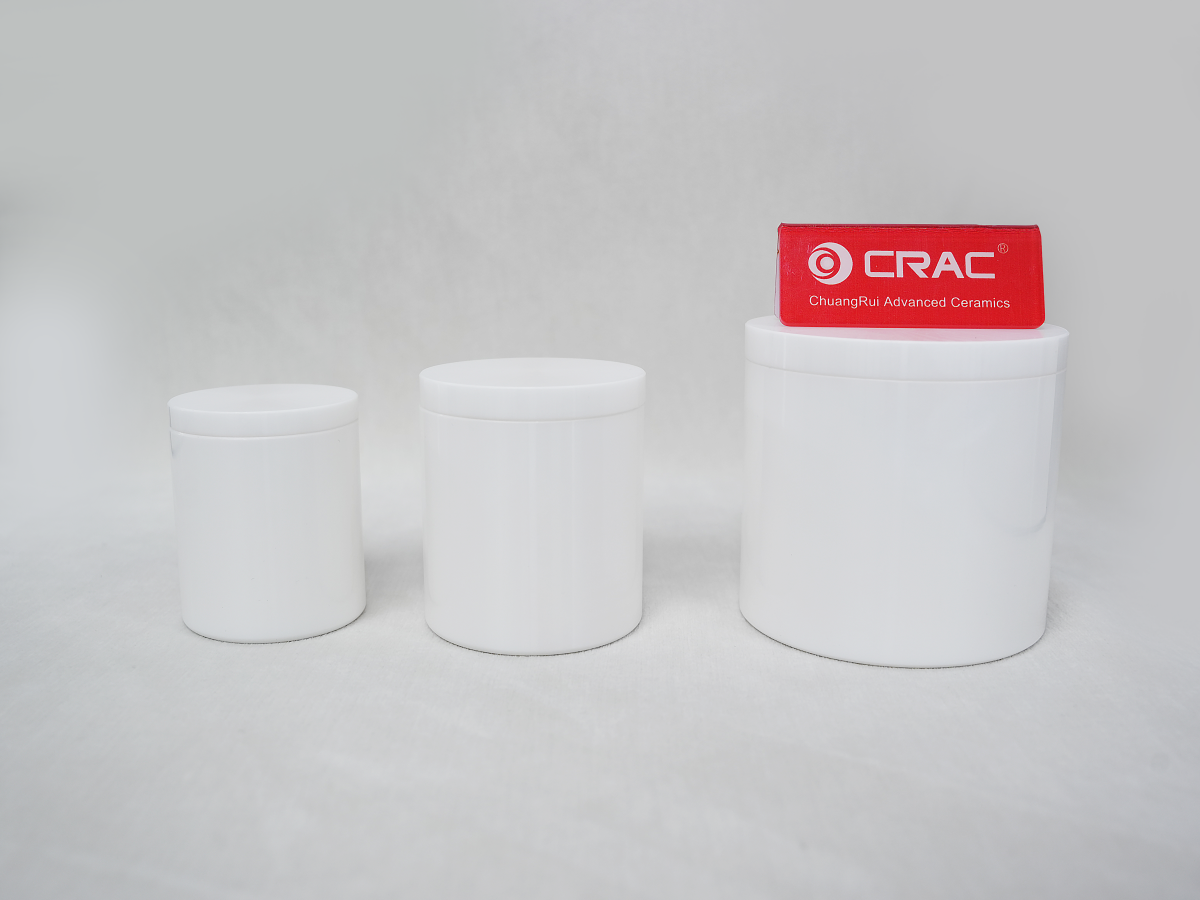
Figure 1: Zirconia ceramic grinding beads — high-density YSZ media for demanding milling applications
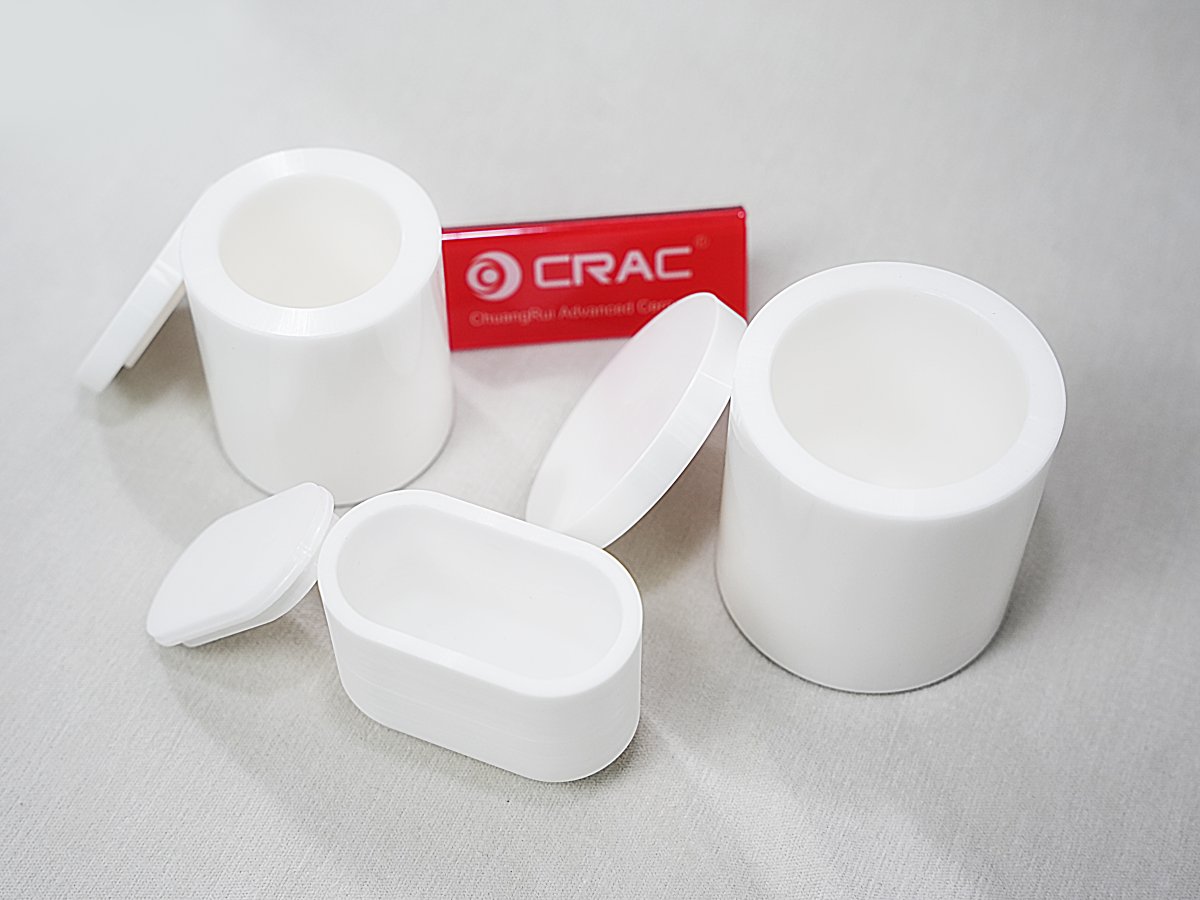
Figure 2: Different grinding media types — material selection directly impacts milling performance and product quality
Head-to-Head: Zirconia vs Glass Beads
Key properties compared at a glance
ZIRCONIA (YSZ)
| Density | 6.0–6.1 g/cm³ |
| Hardness (Vickers) | 1,200–1,350 HV |
| Crushing Strength | > 2,000 MPa |
| Wear Rate (relative) | Extremely Low |
| Max Operating Temp | ~1,000°C |
| Chemical Stability | Excellent (pH 2–14) |
| Unit Cost (relative) | Premium |
GLASS
| Density | 2.5–2.8 g/cm³ |
| Hardness (Vickers) | 500–550 HV |
| Crushing Strength | ~800 MPa |
| Wear Rate (relative) | High |
| Max Operating Temp | ~500°C |
| Chemical Stability | Limited (pH 5–8) |
| Unit Cost (relative) | Low |
Dimension 1: Wear Resistance & Lifespan
Wear rate is the single most important differentiator between zirconia and glass grinding media. In a high-energy bead mill operating at tip speeds above 8 m/s, the difference is not marginal — it is orders of magnitude.
Comparative Wear Rate (Bead Mill, Water Slurry, 12 m/s)
YSZ zirconia wears 100–600× slower than glass beads under equivalent milling conditions.
The practical consequence is straightforward: with glass beads, operators must constantly replenish the media charge, adjust for shifting bead size distributions, and contend with silica contamination leaching into the product. Zirconia beads, by contrast, can run for thousands of hours before reaching their discard limit.
Dimension 2: Grinding Efficiency & Throughput
Grinding efficiency in a stirred media mill is directly proportional to bead density. The kinetic energy transferred to each impact scales with mass — and zirconia beads, at 6.0 g/cm³, carry more than twice the impact energy of glass beads at 2.5 g/cm³.
Impact Energy Comparison (0.5 mm beads, 10 m/s tip speed)
Relative impact energy per bead collision. YSZ zirconia delivers 2.4× more grinding power per impact.
This difference manifests in three measurable production outcomes:
- Faster target particle size attainment: Zirconia beads can reduce milling time by 30–50% compared to glass beads for the same target PSD.
- Lower minimum achievable particle size: The higher impact energy of YSZ beads enables reaching submicron fineness (D50 < 0.3 μm), a target glass beads cannot reliably achieve.
- Tougher materials become processable: High-hardness pigments, ceramic powders, and minerals that barely abrade under glass bead impact can be effectively comminuted with YSZ zirconia.
💡 Pro Tip: If your process requires a
D50 target below 1 micron, glass beads are simply not a viable option. The energy density needed to break submicron particles requires the mass and hardness profile that only
zirconia beads can deliver consistently.
Dimension 3: Contamination Control
For high-purity applications — pharmaceutical intermediates, battery cathode materials, semiconductor CMP slurries — contamination from grinding media is non-negotiable. This is where the performance gap between zirconia and glass grows widest.
Contamination Comparison
| Contaminant |
Zirconia (YSZ) |
Glass Beads |
Winner |
| Silica (SiO&sb2;) |
Trace (< 0.01%) |
Major (> 60%) |
YSZ |
| Sodium (Na) |
None |
8–14% (soda-lime) |
YSZ |
| Iron / Heavy Metals |
< 50 ppm |
Variable (100–1,000 ppm) |
YSZ |
| Yttria (Y&sb2;O&sb3;) |
5% (inert stabilizer) |
None |
Tie |
The critical takeaway for high-purity applications: glass beads introduce silica and alkali metal contamination that can poison catalysts, degrade battery electrochemical performance, or fail pharmaceutical purity specifications. Zirconia bead contamination, when it occurs, is predominantly yttria-stabilized zirconia — chemically inert in nearly all processing environments and often acceptable at ppm levels for most advanced material applications.
⚠️ Critical for Battery & Pharma: If your product specification limits sodium or silica content, glass beads are categorically unsuitable. For
zero-contamination milling, YSZ zirconia is the minimum acceptable grade — and for the highest purity requirements, consider
high-purity Zr95 beads with ultra-low impurity levels.
Dimension 4: Chemical Stability
Many industrial milling operations involve acidic or alkaline slurries. The chemical stability of the grinding medium under these conditions directly determines media lifespan and product purity.
🛡️
YSZ Zirconia
Stable across the full pH spectrum (pH 2–14). Resistant to most organic solvents, acids, and alkalis. Does not leach or react with aqueous or organic slurry components. Suitable for long-duration batch processing in aggressive chemical environments.
⚠️
Glass Beads
Stable only in neutral pH 5–8 range. Acidic conditions (pH < 5) leach sodium, calcium, and silica. Alkaline conditions (pH > 8) accelerate surface etching and structural weakening. Unsuitable for chemical milling or aggressive solvent-based dispersion processes.
Dimension 5: Total Cost of Ownership (TCO)
This is where the initial price advantage of glass beads collapses under scrutiny. While glass beads carry a low per-kilogram purchase price compared to the higher unit investment required for YSZ zirconia, a TCO analysis reveals a very different picture once hidden costs are accounted for.
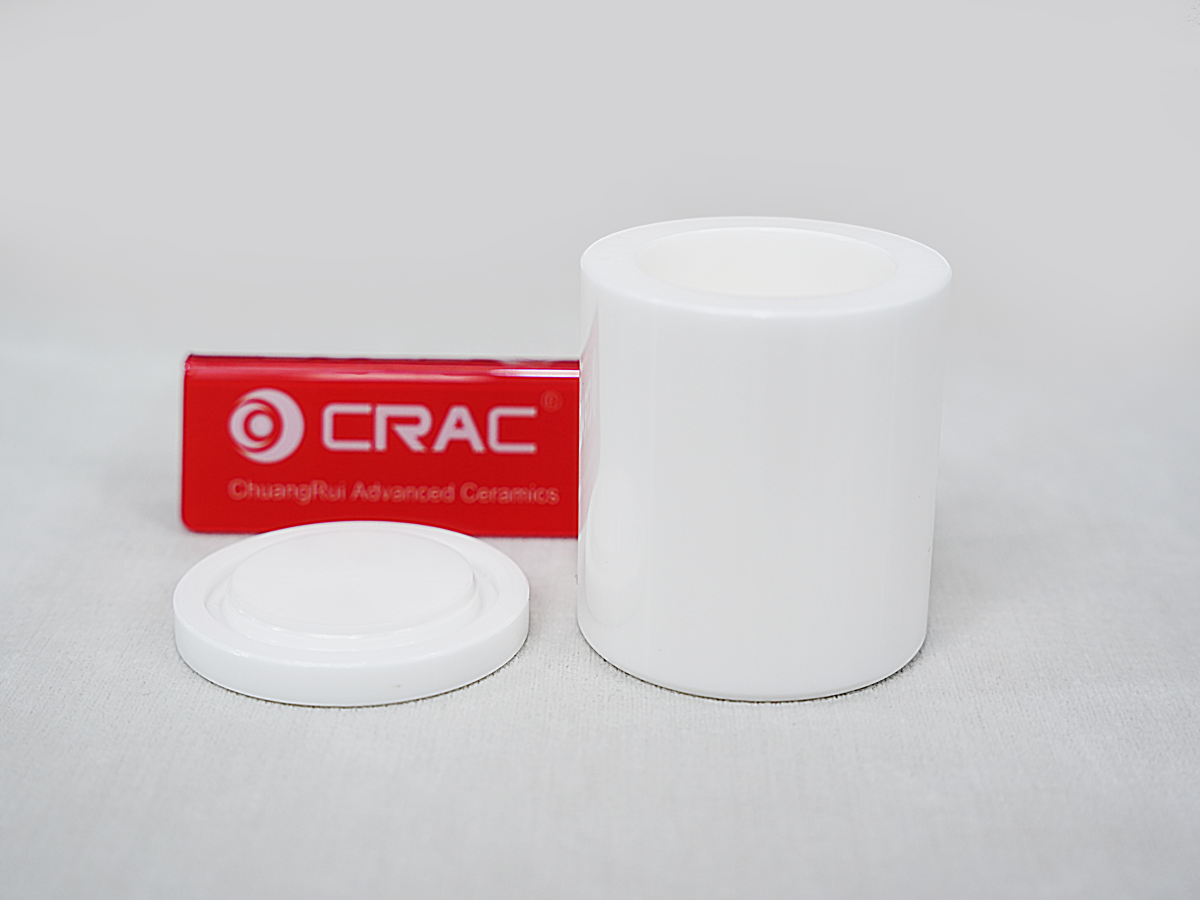
Figure 3: A comprehensive TCO analysis considers media replacement frequency, product contamination losses, and energy consumption — not just purchase price
Annual TCO Breakdown — 50L Bead Mill, Continuous Operation
🔄
Media Replenishment
Minimal
vs
Substantial
YSZ / Glass
⚡
Energy Savings
~30% less
YSZ (shorter cycles)
🧹
Product Rejection
Near zero
YSZ (no silica leaching)
⏸️
Downtime Cost
Low
vs
High
YSZ / Glass (frequent refills)
When all factors are included, YSZ zirconia delivers a 40–60% lower TCO over a 12-month period for most industrial milling applications — despite the higher upfront purchase price. The "cheap" glass bead is frequently the most expensive option when measured by real operational costs rather than invoice price.
When to Use Zirconia vs Glass: Application Guide
| Industry / Application |
Recommended Media |
Typical Size |
Reason |
| 🔋 Battery Materials |
YSZ Zirconia |
0.3–1.0 mm |
Zero metal contamination requirement; submicron PSD targets. Glass silica contamination unacceptable for cathode/anode performance. |
| 💊 Pharmaceuticals |
YSZ Zirconia |
0.3–0.8 mm |
GMP purity compliance; chemical inertness essential. Glass leachables violate pharmacopoeia limits. |
| 🎨 Pigments & Coatings |
YSZ Zirconia |
0.5–1.5 mm |
High viscosity & abrasive TiO&sb2;/iron oxides rapidly destroy glass beads. YSZ delivers consistent dispersion quality and color development. |
| 💻 Semiconductor CMP |
YSZ Zirconia |
0.05–0.3 mm |
Ultra-low metal ion leaching; nano-grade PSD. Glass contamination can cause wafer-level defects. |
| 🧴 Cosmetics |
YSZ or Glass |
0.5–1.5 mm |
Low-abrasion formulations (talc, mica) may use glass; TiO&sb2;-based sunscreens need YSZ. Evaluate per formula. |
| 🪨 Mineral Grinding |
YSZ or Glass |
1.0–3.0 mm |
Soft minerals (talc, gypsum, calcite at Mohs <3) tolerate glass. Hard minerals (quartz, feldspar) demand YSZ. |
| ⚗️ Industrial Chemicals |
YSZ Zirconia |
0.5–2.0 mm |
Acidic/alkaline process environments degrade glass rapidly. YSZ provides chemical stability across full pH range. |
✅ When Glass Beads May Be Acceptable
Glass beads remain a practical choice in specific, well-defined scenarios:
- Low-energy mills: Horizontal or basket mills operating at tip speeds below 5 m/s with soft, non-abrasive materials (e.g., calcium carbonate, talc).
- Non-critical purity: Construction materials, agricultural products, or other applications where silica contamination is irrelevant.
- Short production runs: Trial or pilot batches where media cost is the dominant concern and contamination is not a factor.
- Simple mixing/dispersion: Low-shear blending where the primary objective is homogenization rather than particle size reduction.
3 Common Mistakes in Zirconia vs Glass Selection
1
Comparing only the purchase price
The per-kg cost of glass beads is seductively low. However, glass beads wear 100–600× faster, requiring 2–3 media refills per shift in high-intensity mills. The media replenishment cost alone can exceed the price of a single YSZ zirconia charge within 3–6 months of continuous operation.
2
Ignoring silica contamination in "non-critical" applications
Even in applications where silica contamination was historically tolerated — such as architectural coatings — modern specifications increasingly limit heavy metals and silicates. What was "acceptable" five years ago may now fail supplier quality audits. Before defaulting to glass, verify your product purity requirements against current and anticipated future standards.
3
Overlooking bead density when scaling from lab to production
A process that works with glass beads in a 1L lab mill will not scale linearly to a 100L production mill with zirconia beads — and vice versa. Bead density, fill ratio, agitator speed, and slurry rheology must be re-optimized as a system when switching media types. Simply substituting one medium for another without adjusting process parameters is a recipe for batch failure.
The Verdict: Zirconia Beads Win on Performance — But Context Matters
For the vast majority of industrial milling applications — particularly those involving high-value products, fine target particle sizes, or stringent purity requirements — zirconia beads are the clearly superior choice. The combination of ultra-low wear, high impact energy, broad chemical compatibility, and minimal contamination risk translates into measurable improvements in product quality and production economics.
Glass beads retain a niche role in low-energy milling of soft, non-critical materials where silica contamination is not a concern. But that niche is shrinking as product quality standards rise across industries and TCO awareness improves.
The question is not whether zirconia outperforms glass — it does, decisively, on every technical metric. The question is whether your specific application justifies the upfront investment. In our experience across hundreds of customer transitions from glass to zirconia, the answer is "yes" far more often than procurement departments expect.
Ready to Switch to High-Performance Zirconia Grinding Media?
As a zirconia beads manufacturer with 28 years of expertise, CRAC provides made-to-specification YSZ grinding media — from nano-grade 0.05 mm beads for semiconductor CMP to 3.0 mm high-purity beads for mineral processing — with documented purity certificates and batch-level traceability. Contact our engineering team for a complimentary TCO analysis comparing your current glass bead consumption against a YSZ conversion scenario.