In the world of heavy industry, engineers face a recurring dilemma: traditional metal components — even hardened tool steels and nickel-based superalloys — progressively degrade under the relentless assault of abrasive slurries, corrosive chemicals, and elevated temperatures. Maintenance shutdowns, premature part replacement, and contamination risks eat into profitability. The question is no longer whether to upgrade, but what material can truly withstand these extremes.
Enter zirconia ceramic products. Zirconium dioxide (ZrO₂) — stabilized with yttria for optimal mechanical properties — represents a fundamental shift in industrial materials science. Across sectors from new energy to pharmaceuticals, these advanced ceramics are systematically replacing metal components and delivering 3× to 10× longer service life while maintaining dimensional precision throughout.
Understanding the Material Science: Why Zirconia Ceramics Win
The superior performance of zirconia ceramic products over metals stems from fundamental material properties — not simply incremental improvement, but a different class of engineering material altogether.
Hardness That Metals Cannot Match
Yttria-stabilized zirconia (YSZ) achieves a Vickers hardness of 1,200–1,350 HV, placing it second only to diamond and cubic boron nitride among engineering materials. By comparison, hardened tool steel (D2) reaches approximately 700–800 HV, and 316 stainless steel — widely considered "corrosion-resistant" — sits at a mere 150–200 HV. This 5× to 8× hardness advantage means zirconia surfaces resist abrasive wear that would rapidly erode even premium metal alloys.
This is particularly critical in bead mill environments, where ceramic grinding beads, dispersion discs, and internal chamber components face continuous particle impingement at high velocity. Metal components in these systems show measurable wear within weeks; zirconia equivalents operate for months or years with negligible material loss.
Corrosion Resistance: Chemically Inert Where Metals Dissolve
Zirconia is a fully oxidized ceramic — it cannot corrode further because it is already chemically saturated with oxygen. Strong acids (HCl, H₂SO₄, HNO₃), alkaline solutions, and organic solvents leave zirconia virtually untouched. This stands in stark contrast to even the most advanced stainless steels and nickel alloys, which depend on passivation layers — thin oxide films that, once breached, expose reactive metal beneath.
For industries handling aggressive chemical media — chemical processing, pharmaceutical synthesis, battery electrolyte production — this chemical inertness eliminates a primary failure mode of metal components: corrosion-induced pitting, stress corrosion cracking, and leaching of metallic ions that contaminate product streams.
Transformation Toughening: The Self-Healing Mechanism
One of the most remarkable properties of zirconia is transformation toughening — a mechanism no metal possesses. When a crack initiates under stress, the tetragonal ZrO₂ phase at the crack tip transforms to the monoclinic phase, accompanied by a 3–5% volume expansion. This expansion compresses the crack and arrests its propagation. The result is fracture toughness values (6–10 MPa·m1/2) approaching those of cast iron — extraordinary for a ceramic — and far superior to alumina or silicon carbide.
In extreme wear conditions, this means zirconia components resist catastrophic brittle fracture in ways that conventional ceramics cannot, while retaining the hardness and chemical resistance that metals lack.
Performance Comparison: Zirconia vs. Common Industrial Metals
| Property |
Y-TZP Zirconia |
316 Stainless |
D2 Tool Steel |
Inconel 718 |
| Hardness (HV) |
1,200–1,350 |
150–200 |
700–800 |
350–450 |
| Density (g/cm³) |
6.05 |
8.0 |
7.7 |
8.2 |
| Max Service Temp (°C) |
~1,000 |
~870 |
~500 |
~700 |
| Chemical Resistance |
Inert to acids/alkalis |
Moderate |
Poor |
Good |
| Thermal Conductivity (W/m·K) |
2.5–3.0 |
16.3 |
20.0 |
11.4 |
| Fracture Toughness (MPa·m1/2) |
6–10 |
>100 |
20–30 |
>100 |
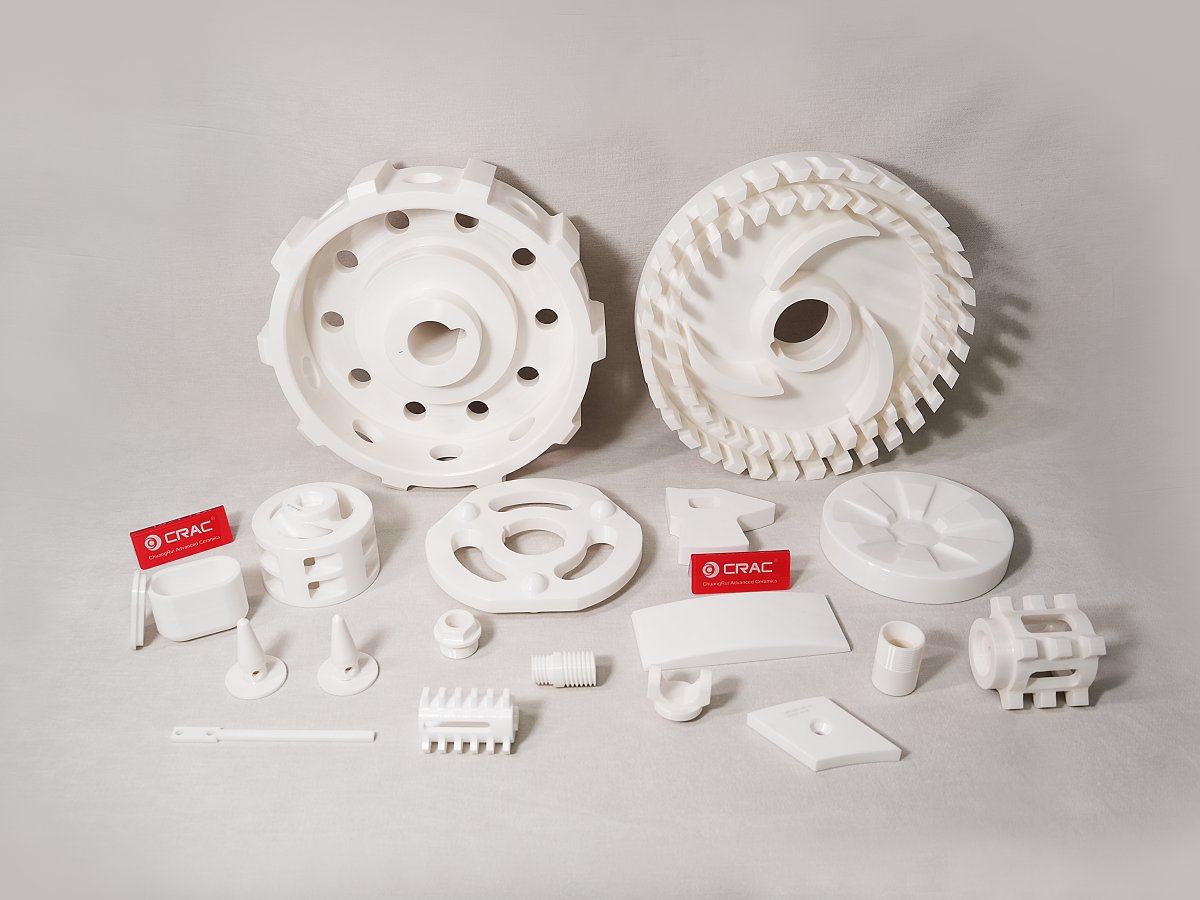
Figure 1: Precision-manufactured zirconia ceramic structural components — engineered to replace metal wear parts.
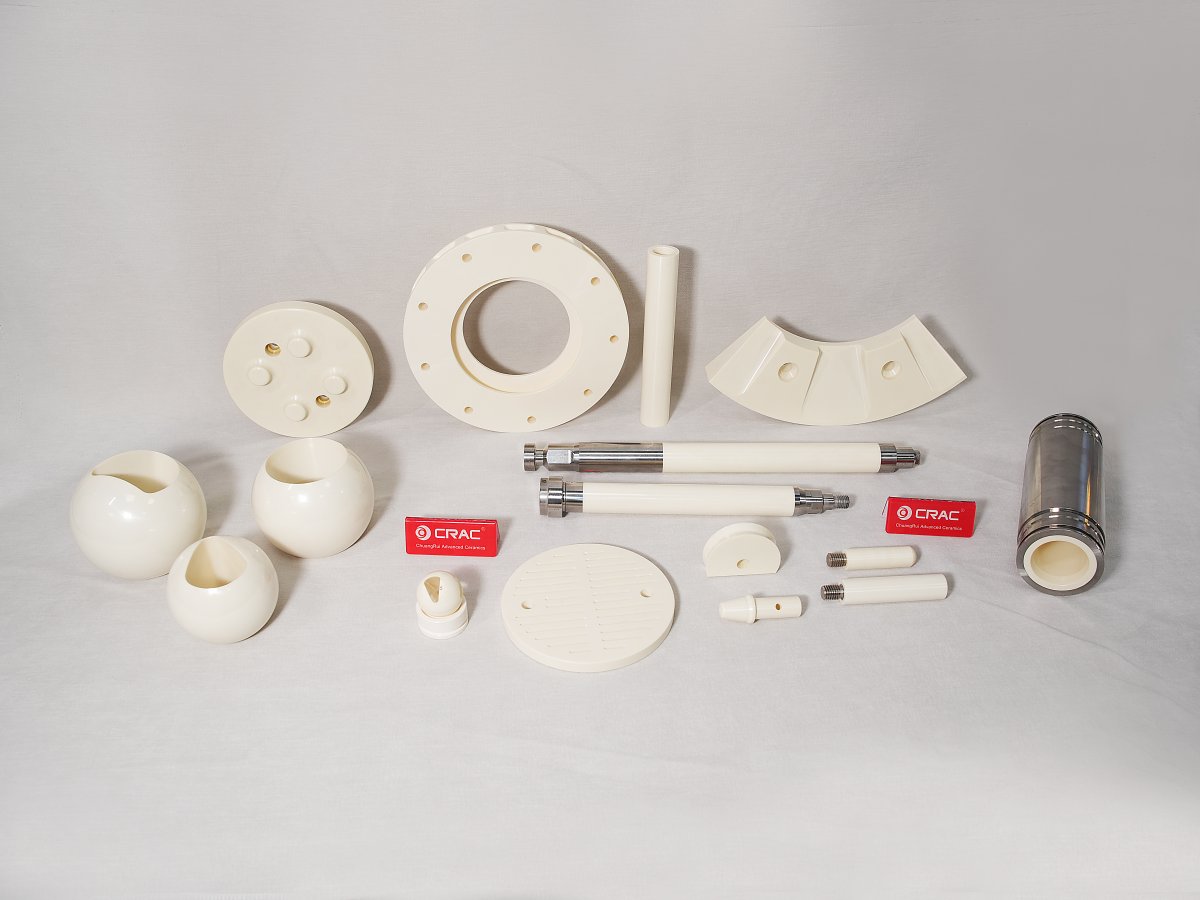
Figure 2: High-precision zirconia ceramic parts machined to micron-level tolerances for industrial deployment.
Industrial Applications: Where Zirconia Ceramic Products Replace Metal Components
Pumps, Valves, and Fluid Handling
Chemical and petrochemical processing plants are among the earliest adopters of zirconia ceramic seals, plungers, and valve cores. In high-pressure pumps moving corrosive or abrasive fluids, metal plungers and seals wear at an accelerated rate — each micron of wear gradually widens clearances, reduces volumetric efficiency, and introduces particulate contamination. Zirconia plungers and seals maintain their polished surface finish through millions of reciprocating cycles, preserving pump efficiency and fluid purity.
Similarly, ceramic valve cores eliminate the galling and seizing that plague metal-to-metal valve seats. The self-lubricating nature of polished zirconia surfaces, combined with transformation toughening, means these components operate reliably in dry-running or low-lubricity conditions where metal valves would fail catastrophically.
Bearings, Bushings, and Rotating Equipment
In high-speed rotating equipment — centrifuges, mixers, turbines — zirconia ceramic bushings and bearings offer a unique combination of low friction, high hardness, and corrosion immunity. Metal bearings in these applications require continuous lubrication and periodic replacement; zirconia bearings can operate with minimal or even no lubrication in chemically aggressive environments, dramatically reducing maintenance intervals.
The lower density of zirconia (6.05 g/cm³ vs. ~8.0 g/cm³ for steel) also reduces inertial loads on rotating shafts — a meaningful advantage in high-RPM equipment where every gram of imbalance multiplies into significant dynamic forces.
Mining, Mineral Processing, and Abrasive Environments
In mining and mineral processing, components face some of the harshest operating conditions in all of industry: abrasive slurries containing silica, alumina, and other hard mineral particles continuously erode metal surfaces. Zirconia ceramic wear plates, liners, and impeller components withstand this abrasion for 3× to 5× longer than hardened steel alternatives — directly reducing downtime and replacement costs in an industry where every hour of unplanned shutdown carries enormous financial consequences.
The transformation toughening mechanism of zirconia is particularly valuable here. Where alumina wear tiles can catastrophically fracture under impact, zirconia absorbs impact energy through its phase-transformation mechanism, providing both wear resistance and impact tolerance — a combination no single metal alloy can deliver.
Semiconductor and High-Purity Manufacturing
In semiconductor fabrication, the consequences of metallic contamination are measured in wafer yield losses — a single metal ion can render an entire chip non-functional. Zirconia ceramic product components used in wafer handling, chemical mechanical planarization (CMP) equipment, and plasma etch chambers are inherently non-contaminating. Unlike metal alternatives that require expensive coatings that themselves wear and flake, bulk zirconia components are clean through their entire cross-section — there is no coating to degrade, no substrate to expose.
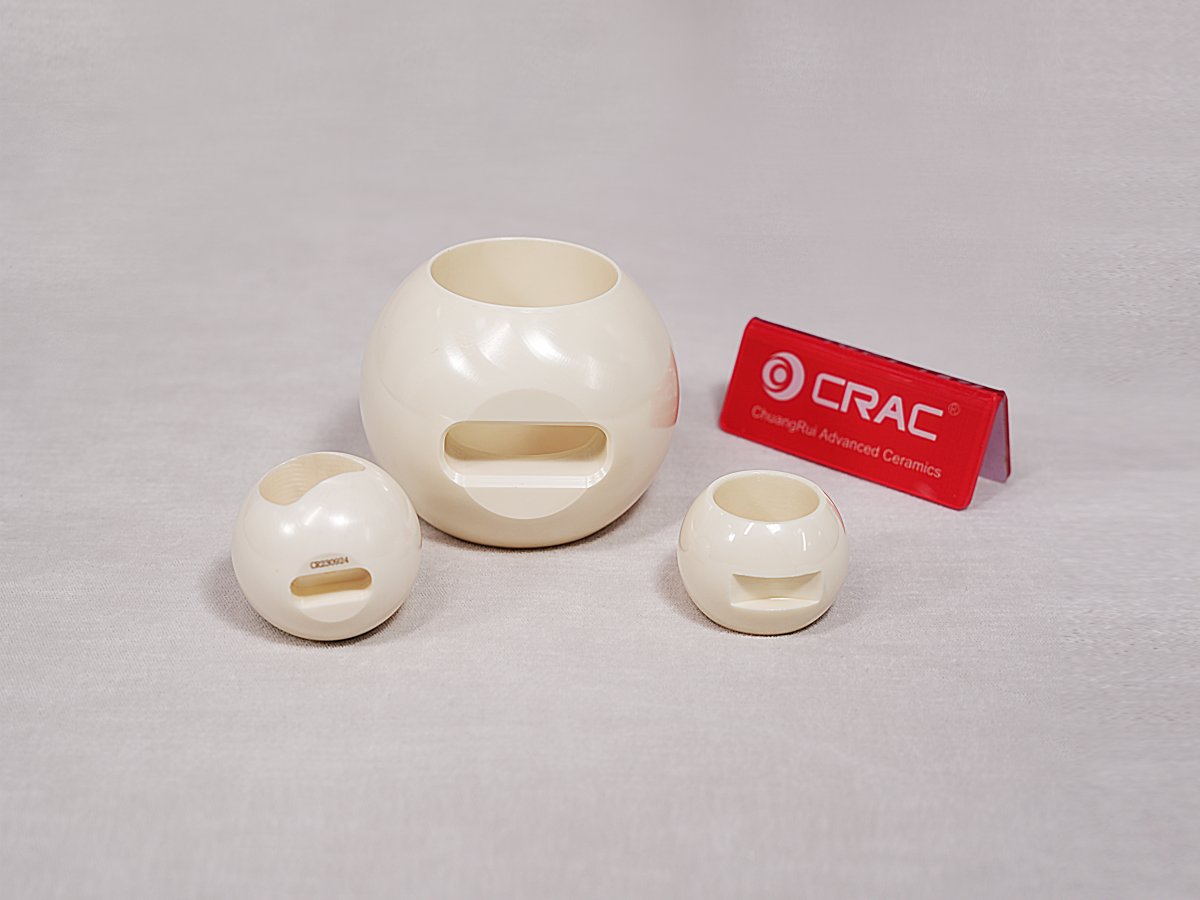
Figure 3: A range of finished zirconia ceramic products ready for deployment in high-wear industrial environments.
Total Cost of Ownership: The Economic Case for Zirconia Over Metals
When evaluating custom zirconia ceramic structural parts versus metal equivalents, the initial per-unit cost comparison can be misleading. A comprehensive total cost of ownership (TCO) analysis tells a very different story:
| Cost Factor |
Zirconia Ceramic |
316 Stainless Steel |
| Service life ratio (abrasive media) |
5×–10× longer |
Baseline |
| Replacement frequency / year |
0.1–0.3 |
1–3 |
| Downtime per replacement |
Minimal |
Significant |
| Contamination risk |
Near-zero |
Moderate to high |
| Lubrication requirements |
Minimal to none |
Continuous |
Across a typical 5-year equipment lifecycle, the total cost of using zirconia ceramic products — including initial procurement, reduced replacement frequency, eliminated downtime, and avoided contamination losses — is often 40–60% lower than the metal alternative, despite the higher upfront component cost. This is the hidden economics that explains why advanced ceramics are accelerating their penetration into heavy industry.
When Zirconia Is the Right Choice — and When It Is Not
While zirconia ceramic products offer transformative advantages in many applications, responsible engineering requires understanding the limitations. Zirconia is not a universal metal replacement — it excels where conditions align with its property profile:
Zirconia Excels When:
- Components face severe abrasive wear from hard particles or slurries
- Operating environments are chemically aggressive (acids, alkalis, solvents)
- Metallic contamination of product streams is unacceptable
- Temperatures reach levels where metals soften but remain well below 1,000°C
- Components require tight dimensional tolerances maintained over long service periods
- Reduced maintenance frequency delivers high economic value
Metals Remain Preferred When:
- Components must withstand high tensile or impact loads (ductility is critical)
- Thermal shock resistance is the primary requirement (ceramics are brittle under rapid ΔT)
- Complex shapes with thin walls and sharp internal corners are needed (ceramics are notch-sensitive)
- Electrical or thermal conductivity is required
- Component geometry exceeds practical ceramic forming and sintering dimensions
The key to successful material selection is matching the component's functional requirements to its operating environment. For wear-susceptible parts in aggressive environments, zirconia ceramic products consistently outperform metals — and the data proves it.
From Concept to Production: Sourcing High-Quality Zirconia Ceramic Products
Transitioning from metal to ceramic components is not a simple drop-in replacement — it requires design adaptation for ceramic manufacturing processes (dry pressing, isostatic pressing, injection molding, or green machining followed by sintering) and close collaboration between the end user and the ceramic manufacturer. Key considerations include:
Design for ceramic manufacturing. Sharp internal corners, abrupt cross-section changes, and extremely thin wall sections create stress concentrations during sintering that can cause cracking. Experienced ceramic engineers can suggest geometry modifications — such as generous fillet radii, gradual transitions, and balanced wall thicknesses — that significantly improve manufacturability without compromising function.
Grade selection matters. Not all zirconia is the same. Yttria content (typically 3 mol% for structural applications), grain size distribution, and sintering parameters determine the final balance of hardness, toughness, and thermal stability. A reputable advanced ceramics factory will work with the customer to specify the optimal zirconia grade for each specific application — not apply a one-size-fits-all approach.
Validation and testing. Before full-scale production, prototype zirconia components should undergo application-specific testing: wear rate measurement, corrosion exposure, dimensional stability under thermal cycling, and fit/form verification. This validation phase — often overlooked in the rush to production — is the most cost-effective way to avoid downstream failures and ensure the transition to ceramic delivers on its promise.
Conclusion: The Strategic Case for Zirconia Ceramic Products
The data is unambiguous. In applications characterized by abrasive wear, chemical attack, high temperatures, or contamination sensitivity, zirconia ceramic products deliver performance that metals simply cannot match. The material properties — extreme hardness, full chemical inertness, transformation toughening, and high-temperature stability — combine to create an engineering material uniquely suited to the demands of modern industry.
As advanced ceramics continue to mature — with improvements in net-shape forming, machining precision, and quality consistency — the economic case for replacing metal components with zirconia grows stronger with each passing year. Companies that adopt this technology early gain a competitive advantage through reduced maintenance costs, improved product quality, and enhanced equipment reliability.
The question for forward-thinking engineers and procurement managers is not whether zirconia ceramic products can outperform metals — the evidence is overwhelming. The question is how quickly they can integrate this proven material technology into their operations to begin realizing the benefits.
Partner with a Proven Advanced Ceramics Manufacturer
CRAC provides custom-engineered zirconia ceramic products backed by deep material science expertise and a track record of replacing metal components across the chemical, energy, pharmaceutical, and semiconductor industries. Contact our engineering team to discuss your application — from material selection and design adaptation to prototyping and mass production.