The Real Cost of Valve Failure in Harsh Fluid Systems
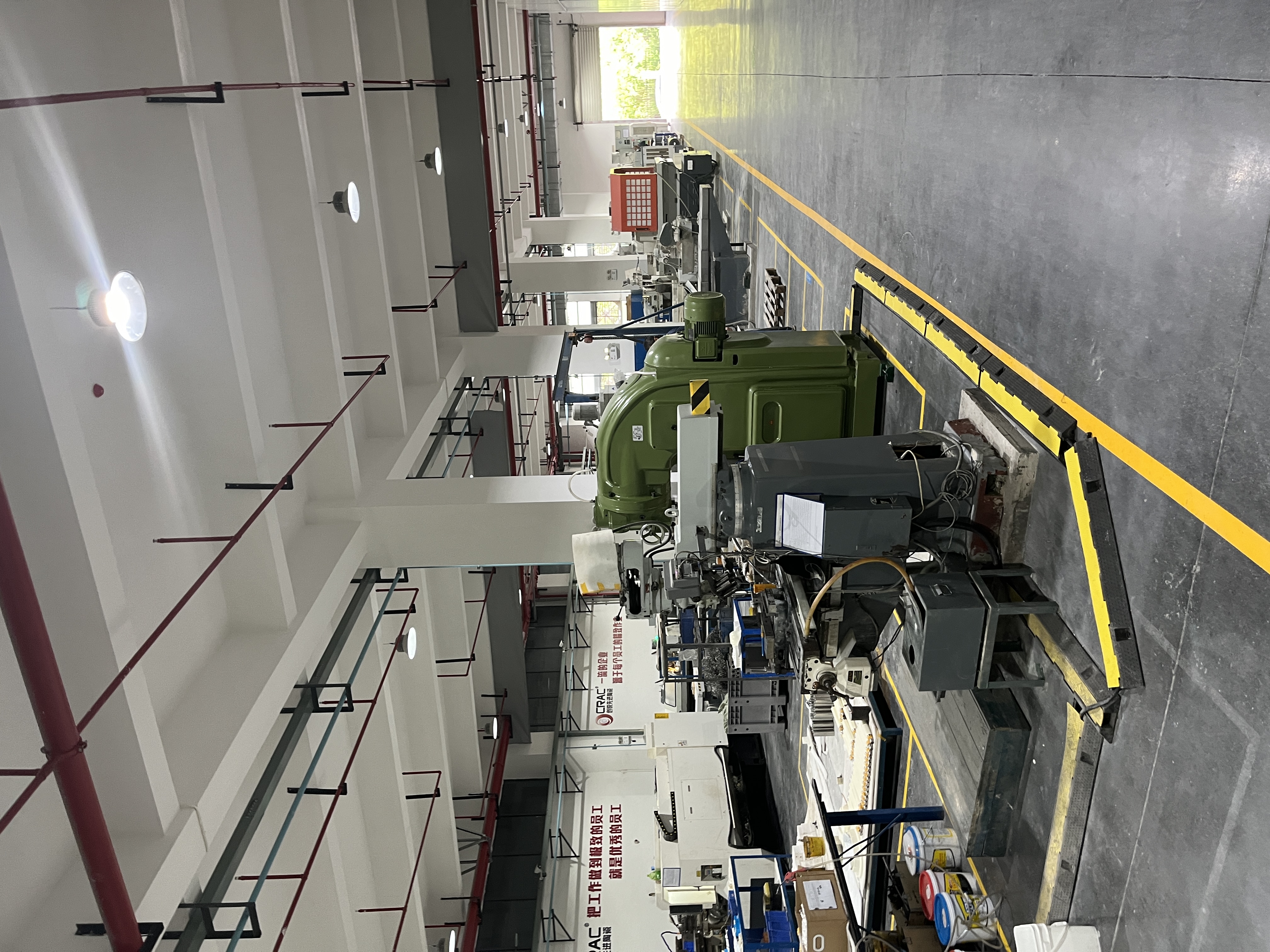
Figure 1: Precision grinding of ceramic valve components — achieving micron-level tolerances for leak-free sealing
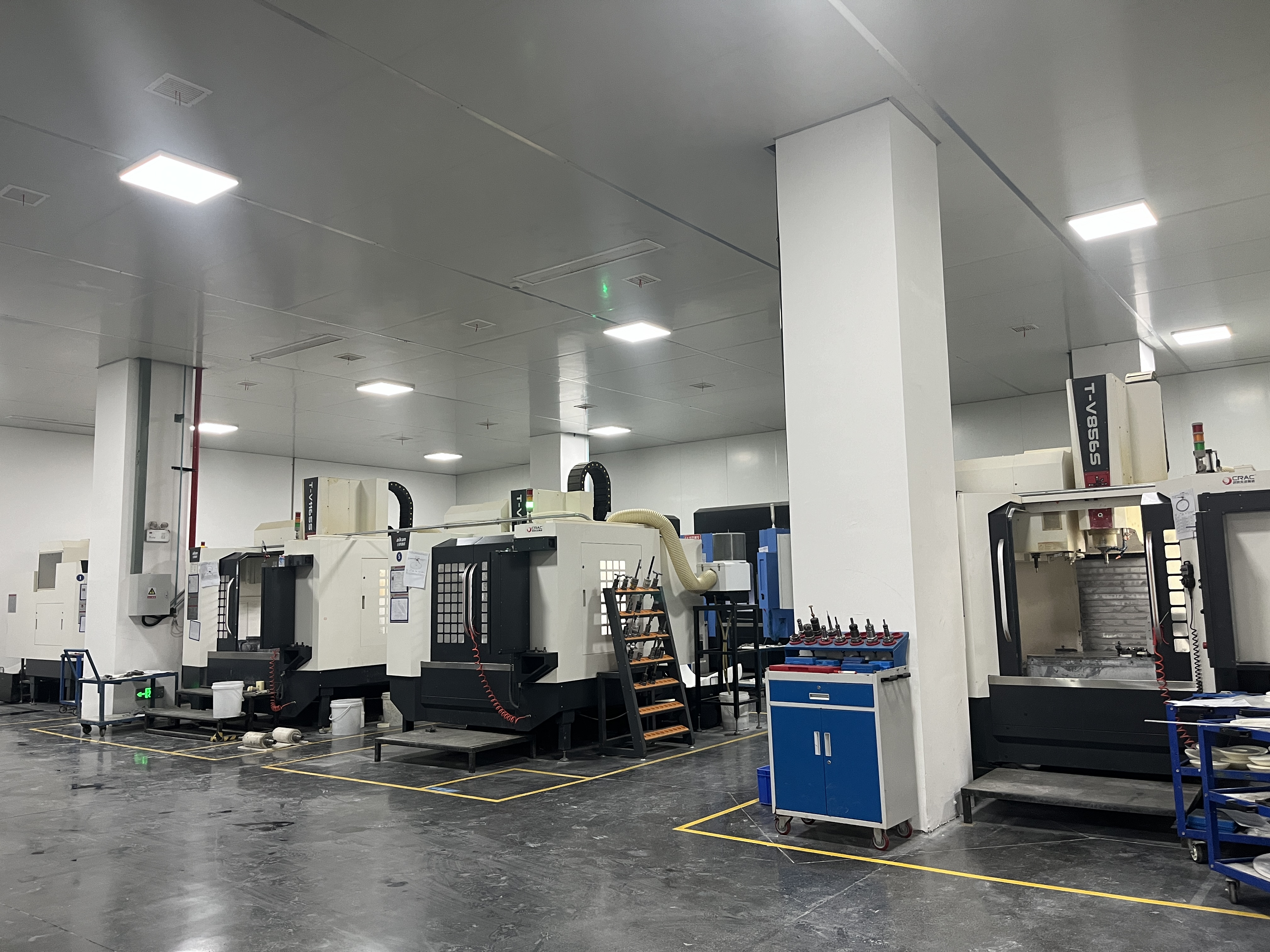
Figure 2: CNC machining ensures exact dimensional control for ceramic valve cores and seats
When a valve fails in service handling abrasive slurries or corrosive chemicals, the consequences cascade quickly. Production halts. Product quality suffers. Maintenance crews scramble. In the worst cases, safety incidents occur. Yet in countless plants worldwide, engineers continue to specify metal valves for applications where they are fundamentally mismatched to the media they control. The result is a predictable cycle: install, corrode, leak, replace, repeat.
Ceramic valves — particularly those built with advanced zirconia ceramic valve cores — break this cycle. Where metals pit, erode, and leach contaminants, engineered ceramics remain dimensionally stable, chemically inert, and wear-resistant over tens of thousands of operating cycles. This article examines why ceramic valves outperform metal alternatives in abrasive slurry and corrosive fluid service, which ceramic materials deliver the best results, and where the technology is making the greatest industrial impact.
From mining slurry transport and chemical processing to lithium battery material handling, ceramic valve technology is redefining reliability expectations across industries that have long accepted frequent valve replacement as unavoidable.
At a Glance: Six Ways Ceramic Valves Outperform Metal
1
Exceptional Wear Resistance
Zirconia hardness (HV 1200–1300) withstands abrasive particles that scour metal seats and balls within weeks
2
Full Chemical Inertness
Stable across pH 0–14. No corrosion, no ion leaching, no catalytic reactions with process fluids
3
Zero Contamination
No metal ions (Fe, Cr, Ni, Mo) released into high-purity process streams — essential for pharma and battery applications
4
Superior Sealing Longevity
Lapped ceramic surfaces achieve micron-level flatness, maintaining bubble-tight shutoff after millions of cycles
5
Wide Temperature Range
Operates reliably from cryogenic conditions to 400°C without loss of mechanical integrity or sealing performance
6
Dramatic Lifecycle Savings
Despite a higher upfront investment, ceramic valves often deliver 5–10× longer service life, slashing total cost of ownership
The Material Science Behind Ceramic Valve Performance
The superiority of ceramic valves in harsh service is not a matter of preference — it is rooted in fundamental material properties. Understanding these properties explains why a properly specified ceramic valve can outlast its metal counterpart by an order of magnitude.
Ceramic vs Metal: Key Property Comparison for Valve Service
Hardness (Vickers)
Higher = Better
Corrosion Rate in 20% HCl at 80°C
Lower = Better
Relative Service Life in Abrasive Slurry
Higher = Better
These property differences are not incremental — they are transformational. A Hastelloy C-276 valve might survive 6–12 months in hot hydrochloric acid before pitting becomes unacceptable, while a zirconia ceramic valve in the same service can operate for 5–8 years with negligible material loss. This is the difference between a valve that must be budgeted as a recurring consumable and one that can be treated as a capital asset with multi-year depreciation.
💡 Pro Tip: The property advantage of ceramic is not limited to the valve trim alone. For the most severe services, consider ceramic-lined valve bodies in addition to ceramic internals. This provides full-wetted-surface protection and eliminates the weak point where metal bodies meet ceramic internals.
Ceramic Valve Configurations for Every Severe-Service Challenge
Ceramic materials can be integrated into virtually every common valve type. The choice of configuration depends on the specific process requirements — pressure drop tolerance, solids content, actuation speed, and maintenance access. Below are the most proven ceramic valve configurations in industrial service.
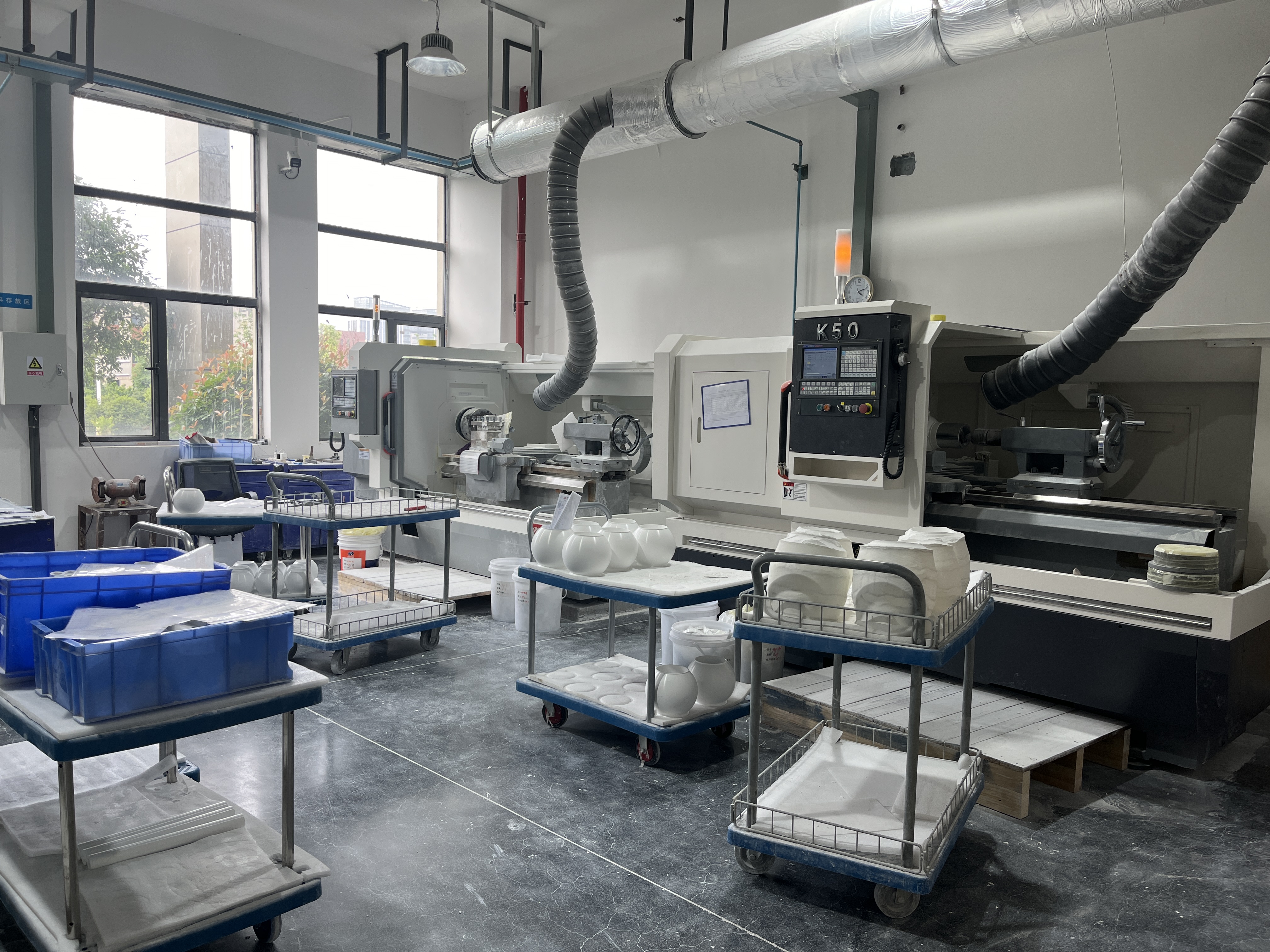
Figure 3: Ceramic body turning and precision finishing — achieving the surface quality critical for long-term sealing
⚫ Ceramic Ball Valves
The most common ceramic valve type. A precision-ground zirconia ball rotates against ceramic seats, creating a self-lapping sealing surface. Ideal for on/off isolation in slurry lines, with full-port designs that minimize pressure drop and resist clogging. Available in floating and trunnion-mounted designs up to DN 300.
⚫ Ceramic Plug Valves
A tapered or cylindrical ceramic plug rotates within a matching ceramic body. Excellent for throttling service with high solids content, as the large sealing surface distributes wear evenly. Particularly effective in lime slurry, FGD, and mining applications where particulates quickly destroy metal plug valves.
⚫ Ceramic Butterfly Valves
Compact and lightweight, ceramic butterfly valves use a zirconia disc and seat ring for tight shutoff in large-diameter piping. Best suited for low to medium pressure slurry and corrosive gas applications where space and weight are constrained.
⚫ Ceramic Needle & Control Valves
For precise flow regulation of corrosive or high-purity fluids, ceramic needle valves and globe-style control valves with ceramic trim provide stable Cv curves that do not degrade as metal trim erodes. Common in pharmaceutical, semiconductor, and analytical instrumentation.
Where Ceramic Valves Deliver the Biggest Payoff: Industry by Industry
| Industry |
Typical Media |
Failure Mode (Metal) |
Ceramic Life vs Metal |
| ⛏️ Mining & Mineral Processing |
Silica slurry, tailings, acid mine drainage |
Abrasion-scoured seats, wire-drawn bodies, packing failure within 3–6 months |
8–12× |
| ⚗️ Chemical Processing |
HCl, H²SO&sup4;, NaOH, organic solvents |
Corrosion pitting, stress corrosion cracking, gasket/seat chemical attack |
10–15× |
| 🔋 Lithium Battery Materials |
NMP slurry, cathode precursor, electrolyte precursors |
Metal ion contamination (Fe, Cr) degrading electrochemical performance |
6–10× |
| 💧 Flue Gas Desulfurization (FGD) |
Limestone slurry, gypsum slurry, acidic condensate |
Combined abrasion-corrosion; metal valves fail in 12–18 months even with rubber lining |
8–12× |
| 💊 Pharmaceutical & Biotech |
WFI, CIP solutions, API slurries, solvents |
Extractables/leachables from elastomers and metals; USP <232> compliance risk |
10–15× |
| 💡 Semiconductor |
Ultra-pure water, CMP slurry, aggressive etchants |
ppb-level metal contamination; any metal wetted part is a defect risk |
15–20× |
Abrasion + Corrosion: Why Metal Valves Face a Losing Battle
The most destructive valve operating condition is combined abrasion and corrosion — where hard particles scour away protective passive layers, exposing fresh metal to chemical attack. This synergy accelerates metal loss far beyond what either mechanism would cause alone. Ceramics experience neither:
❌ Metal Valve Failure Chain
1. Passive layer abrasion: Slurry particles erode the Cr²O³ passive film on stainless steel
↓
2. Accelerated corrosion: Exposed base metal corrodes rapidly in acidic or oxidizing media
↓
3. Surface roughening: Corrosion pits create turbulence, further accelerating particle erosion
↓
4. Catastrophic failure: Seat leakage, stem seizure, body penetration — in months, not years
✅ Ceramic Valve Solution
1. No passive layer needed: Zirconia is intrinsically inert — there is no film to erode because the bulk material itself is chemically resistant
↓
2. Hardness resists abrasion: At HV 1200–1300, zirconia is harder than virtually all common slurry particles including silica (HV 800–1000)
↓
3. Surface stays smooth: Minimal wear means the lapped sealing surface maintains its original flatness and Ra <0.05 μm finish
↓
4. Decades of reliable service: Bubble-tight shutoff maintained for 5–15 years in services that destroy metal valves annually
Selecting the Right Ceramic Material for Your Valve Application
Not all ceramics are interchangeable in valve service. The material choice must balance hardness, toughness, chemical compatibility, and cost. For zirconia-based ceramics — the dominant material in severe-service valves — the key distinctions are:
| Ceramic Grade |
Hardness |
Toughness |
Best Application |
Limitation |
| YSZ (3Y-TZP) |
HV 1200–1300 |
6–8 MPa·m½ |
General severe service: acids, high-purity, pharma, semiconductor |
Hydrothermal aging above 200°C in steam; use Mg-PSZ for high-temperature wet service |
| ATZ (Alumina-Toughened) |
HV 1300–1500 |
5–7 MPa·m½ |
Heavy abrasion: mining slurries, FGD, high-solids flows |
Slightly lower chemical resistance in hot concentrated alkalis vs pure YSZ |
| Mg-PSZ (Magnesia-PSZ) |
HV 1000–1150 |
8–12 MPa·m½ |
Impact-prone service, thermal shock resistance, large-diameter ball valves |
Lower hardness; not recommended for the most aggressive abrasion-only applications |
| Silicon Carbide (SSiC) |
HV 2400–2800 |
3–4 MPa·m½ |
Ultra-hard seats and bearings; extreme abrasion with low impact |
Brittle; cannot tolerate impact or thermal shock; significantly more expensive |
Application Checklist: Is Your Service a Candidate for Ceramic Valves?
If you answer "yes" to two or more of the following, ceramic valves are likely to deliver a step-change improvement over your current metal valve solution:
✓
Solids content >5% by weight?Abrasive particles make short work of metal seats and balls. Ceramic hardness directly resists this wear mechanism.
✓
Metal contamination is unacceptable?Pharma, battery, semiconductor, and food-grade processes cannot tolerate Fe/Cr/Ni ions leaching from corroding metal valve components.
✓
Replacing valves more than once per year?Frequent valve changeouts signal that your current material is mismatched. The total cost of ownership case for ceramic becomes overwhelming.
✓
Operating temperature over 150°C?PTFE and elastomer seats degrade at elevated temperatures. Ceramic-on-ceramic sealing pairs remain stable to 400°C and beyond.
✓
Valve access is difficult or shutdowns are costly?In remote, buried, or hazardous locations, the extended maintenance interval of ceramic valves delivers disproportionate operational value.
Best Practices for Ceramic Valve Specification and Operation
✅ Specify Ceramic-on-Ceramic Seating
The full benefit of ceramic valves is realized when both the moving element (ball, plug, disc) and the stationary seats are ceramic. Metal seats paired with ceramic balls create a galvanic couple and defeat the purpose of the upgrade.
✅ Account for Thermal Expansion Mismatch
Ceramic CTE (~10 × 10−⁶/K) differs from metal body CTE (~16 × 10−⁶/K for stainless). Ensure the valve design includes appropriate clearances and resilient mounting to accommodate differential expansion.
✅ Avoid Water Hammer and Thermal Shock
While zirconia is tough for a ceramic (fracture toughness 6–8 MPa·m½), it is not indestructible. Rapid pressure spikes and sudden temperature changes should be mitigated through system design, not relied upon the valve to absorb.
✅ Validate With a Trial Installation
Install one or two ceramic valves in the highest-wear locations first. Monitor for 6–12 months against your existing metal valve baseline. The data will justify a broader rollout and help refine the material specification for your exact process conditions.
The Bottom Line: Ceramic Valves Redefine Reliability in Harsh Fluid Service
The data is unambiguous: in abrasive slurry and corrosive fluid applications, ceramic valves outlast metal alternatives by 5–15 times, eliminate metal contamination, and maintain sealing integrity across temperature extremes that destroy polymer seats and elastomer seals. The upfront cost premium — typically 1.5–3× that of a high-alloy metal valve — is recovered within the first avoided changeout, often in under 18 months.
For engineers and maintenance managers tired of the replace-and-repeat cycle, ceramic valves represent not just a better component, but a fundamentally different approach to fluid control reliability. The technology is mature, the material science is proven, and the economic case is compelling across industries from mining and chemicals to battery manufacturing and semiconductor fabrication.
CRAC brings 28 years of advanced ceramics manufacturing expertise to every valve component we produce. From material selection and precision zirconia valve core fabrication to custom OEM/ODM ceramic component solutions, we provide end-to-end support — including application engineering, prototyping, and full production-scale manufacturing.
Stop Replacing Valves. Start Specifying Ceramic.
Tell us about your most challenging valve application — abrasive slurry, hot acid, or ultra-pure process fluid. Our engineers will recommend the optimal ceramic material and valve configuration, with prototype delivery in as little as 3 weeks.