High-speed grinding pushes every component of a bead mill to its limits. Rotor tip speeds rise, collision frequency multiplies, and the media itself absorbs repeated thermal and mechanical shocks. In these conditions, ordinary beads fracture, discolor the slurry, or wear so fast that top-up cycles kill productivity. Silicon nitride beads are engineered for exactly this environment: low density, extreme toughness, and a self-lubricating surface that keeps temperature and contamination under control.
This guide explains why silicon nitride grinding media excel in high-speed milling, where the performance advantages show up, and which industrial applications benefit most.
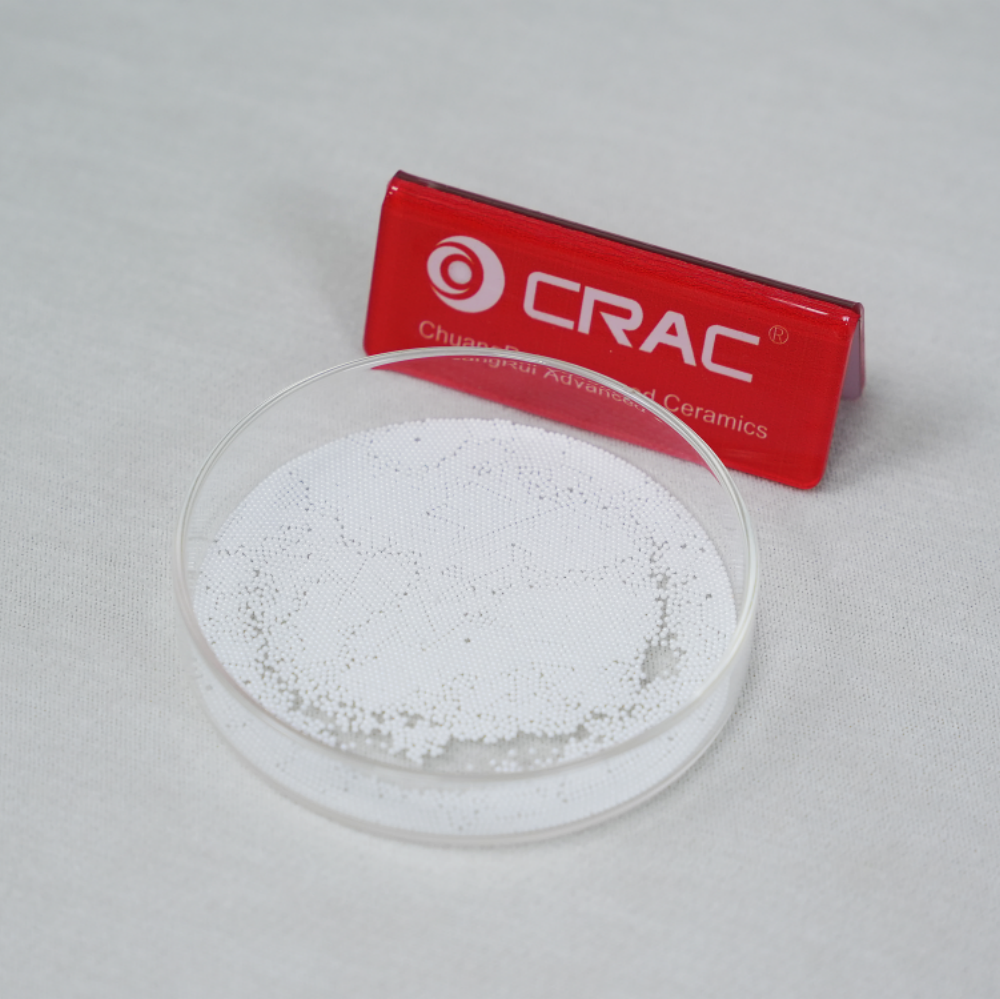
Figure 1: Tight-size silicon nitride beads for uniform energy transfer at high rotor speeds
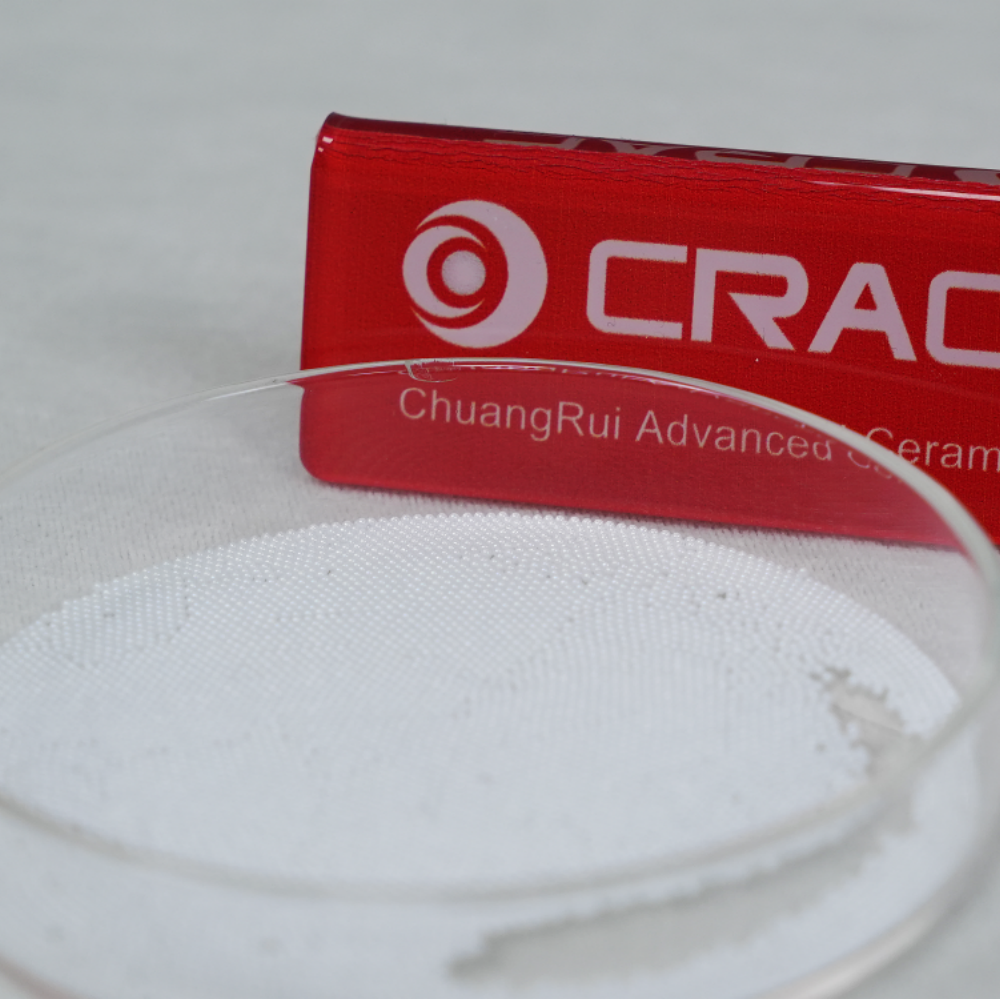
Figure 2: Smooth, low-friction surface finish minimizes heat build-up during intensive milling
Four Challenges High-Speed Grinding Throws at Media
1
Thermal Shock
Rapid bead-to-bead impacts generate heat. Low thermal-shock resistance causes cracks that propagate into fractures and contamination.
2
Mechanical Fatigue
Millions of cycles per hour expose sub-surface defects. Beads with low fracture toughness chip or split, releasing fragments into the product.
3
Accelerated Wear
Higher speed increases wear rate exponentially. Faster wear means higher media consumption and more gray debris in light-colored slurries.
4
Purity Loss
Wear debris and broken fragments become contamination. In battery, semiconductor and pharma slurries, this can push batches out of spec.
For an overview of how contamination undermines milling economics, see solving slurry contamination with zero-pollution grinding media and three solutions for contaminated slurry and fast-wearing media.
Why Silicon Nitride Beads Excel at High Speed
High Fracture Toughness
Silicon nitride resists crack propagation better than alumina and many zirconia grades. That translates to fewer broken beads under high-energy impacts.
Low Density, Less Inertia
At roughly 3.2 g/cm³, Si3N4 beads carry less kinetic energy per collision than YSZ. Mill components and separator systems see lower mechanical stress.
Low Friction, Lower Heat
A naturally smooth surface and low coefficient of friction reduce slurry temperature rise. Heat-sensitive dispersions stay stable over long runs.
Exceptional Hardness
With Vickers hardness above 1,500 HV, silicon nitride resists abrasion from hard powders like LFP, NCM, metal oxides and ceramics.
Chemical Inertness
Si3N4 does not react with acidic or alkaline slurries. This protects pH-sensitive formulations in electronics and fine chemicals.
Minimal Wear Debris
Very low wear rates keep the media charge size stable and reduce the foreign particles that would otherwise contaminate high-value slurries.
A deeper comparison is available in silicon nitride beads vs zirconia and the 2025 selection guide for advanced material processing. For the specific advantages of silicon nitride in high-purity work, read the ultimate choice for high-purity applications.
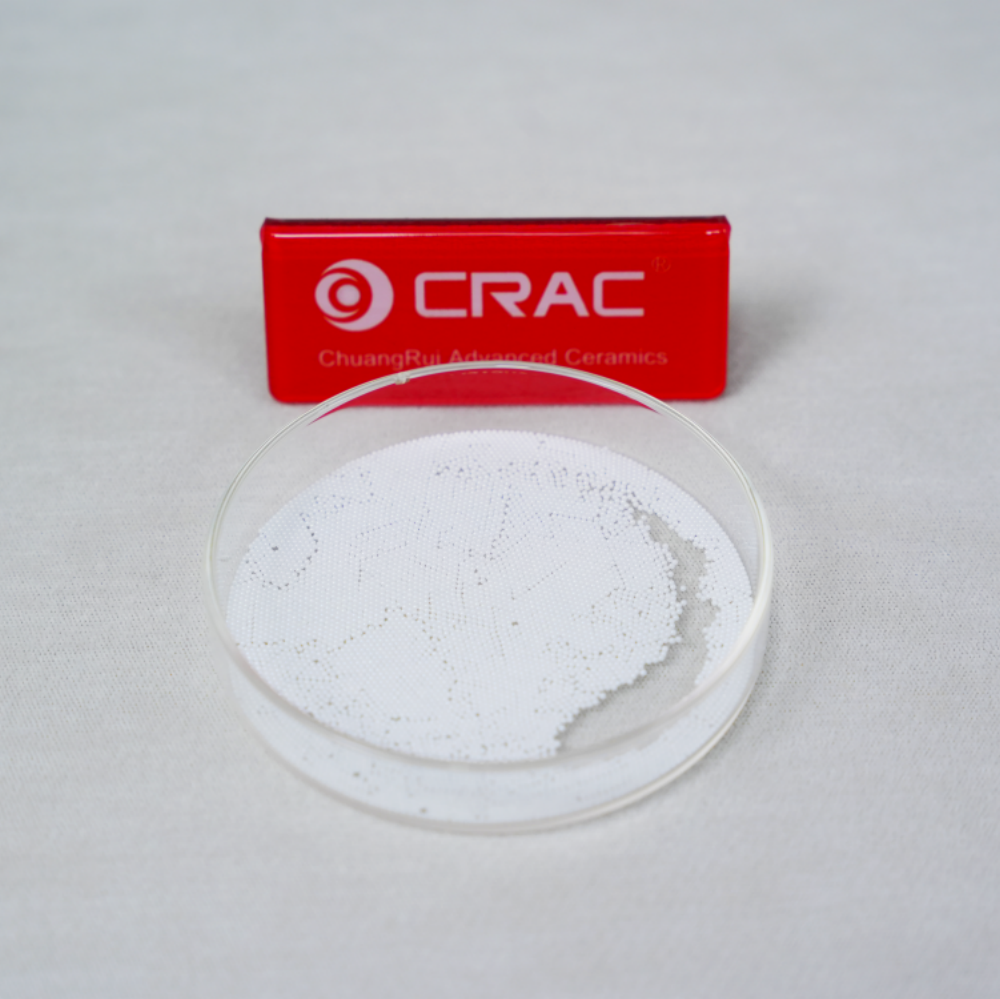
Figure 3: Consistent roundness and surface quality support repeatable high-speed grinding results
Media Comparison for High-Speed Milling
The table below highlights why Si3N4 is often the preferred choice when speed, wear resistance and purity must all be controlled simultaneously.
| Property |
Silicon Nitride (Si3N4) |
Yttria-Stabilized Zirconia |
Alumina (Al2O3) |
| Density (g/cm³) |
~3.2 |
~6.0 |
~3.7 |
| Hardness (HV) |
1,500+ |
1,200+ |
1,400–1,600 |
| Fracture Toughness |
Excellent |
Very good |
Moderate |
| Wear Rate |
Very low |
Low |
Moderate |
| Frictional Heat |
Low |
Moderate |
Moderate |
| Best Fit |
High-speed, high-purity, low-contamination |
Maximum energy for hard pigments |
Economical, lower-speed mineral milling |
Need help matching media to your mill? Start with how to select ceramic grinding media for high-intensity milling and optimizing milling efficiency with ceramic grinding media.
Industrial Applications
Lithium Battery Materials
LFP, NCM and graphite dispersions demand tight particle size with minimal metal contamination. Silicon nitride beads survive the high-energy milling used in new-energy lithium battery slurry preparation without introducing iron, chromium or zirconia trace elements.
Advanced Ceramic Powders
When milling oxide, carbide or nitride powders for structural ceramics, media hardness and low wear preserve chemistry and prevent unwanted phase contamination.
Fine Chemicals and Pigments
High-speed dispersion of organic pigments, agrochemical suspensions and specialty chemicals benefits from Si3N4's low heat and chemical stability.
Related reading: nano zirconia beads for lithium battery material grinding, five key factors for battery material quality and yield, and silicon nitride beads advancing precision in semiconductor manufacturing.
Selecting Si₃N₄ Beads for Your Mill
- Confirm bead size range — sub-100 µm targets need 0.05–0.3 mm beads; coarser dispersions use 0.5–1.0 mm.
- Check separator clearance — smaller beads need tighter screens or centrifugal separation to avoid leakage.
- Match density to mill power — Si3N4 is gentler on rotors than YSZ, making it ideal for retrofitted high-speed mills.
- Request wear-rate data — compare mass loss under your specific slurry chemistry and tip speed, not generic catalog values.
- Audit purity certificates — for semiconductor and battery work, verify elemental analysis and lot traceability.
For practical guidance, read the essential role of ceramic grinding beads, how to extend equipment service life with ceramic grinding beads, and the true cost of cheap beads.
The Bottom Line
High-speed grinding rewards media that can absorb energy without breaking down, heating the slurry, or contaminating the batch. Silicon nitride beads combine high hardness, excellent fracture toughness, low density and chemical inertness — a combination that directly addresses the four failure modes of intensive milling. For battery, semiconductor, advanced ceramic and fine chemical applications, they offer a cleaner, more stable path to target fineness.
If your current media shows excessive wear, rising slurry temperature or gray contamination as rotor speed increases, switching to silicon nitride is often the most cost-effective next step. Validate with a documented trial, then scale with confidence.