The demand for precision injection molding ceramic parts has surged across industries that require geometrically complex, high-strength components produced at scale with exceptional repeatability. Ceramic injection molding (CIM) combines the design freedom of plastic injection molding with the extreme material properties of advanced technical ceramics—enabling engineers to create net-shape or near-net-shape parts that would be impossible or cost-prohibitive to produce through traditional ceramic processing routes such as dry pressing or green machining. From sub-millimeter medical device implants to robust industrial wear-resistant components, CIM has become the definitive technology for bridging the gap between design complexity and manufacturing efficiency.
How Ceramic Injection Molding Works: From Feedstock to Finished Part
The CIM process transforms ceramic powder into precision components through four core stages. First, high-purity ceramic powder—typically zirconia or alumina—is compounded with a thermoplastic binder system to create a homogeneous feedstock that can flow under heat and pressure. This feedstock is then injected into a precision-machined mold cavity at controlled temperatures (typically 130–200 °C) and pressures ranging 50–150 MPa, faithfully replicating every micro-feature of the tooling design.
The third stage—debinding—removes the organic binder through a combination of thermal decomposition, solvent extraction, or catalytic processes. This is arguably the most critical step, where controlled binder removal prevents defects such as cracking, blistering, or distortion. Finally, the debound "brown" part undergoes high-temperature sintering (typically 1,400–1,650 °C for zirconia) where ceramic particles fuse through solid-state diffusion, achieving near-theoretical density and the full suite of ceramic mechanical properties.
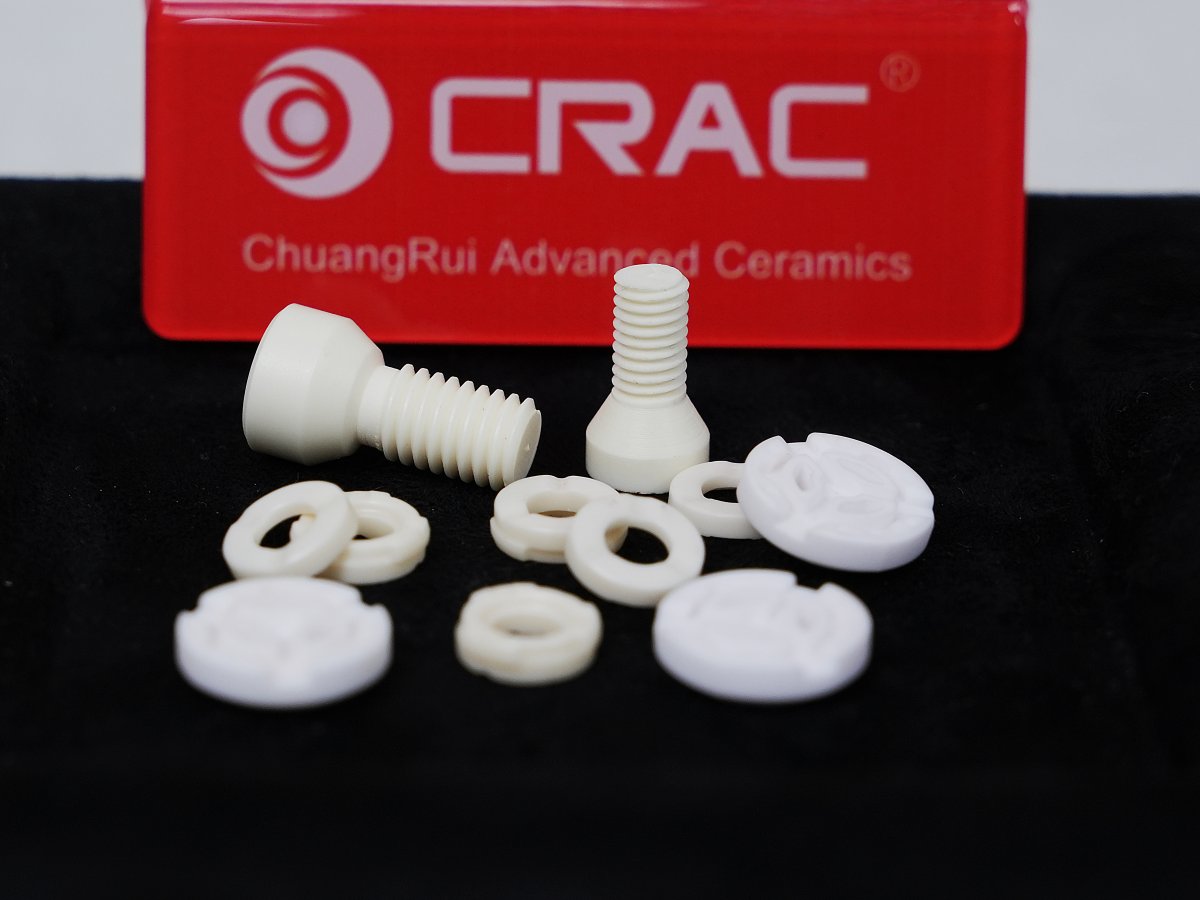
Figure 1: Precision injection molding ceramic components showcasing the geometric complexity achievable through CIM technology.
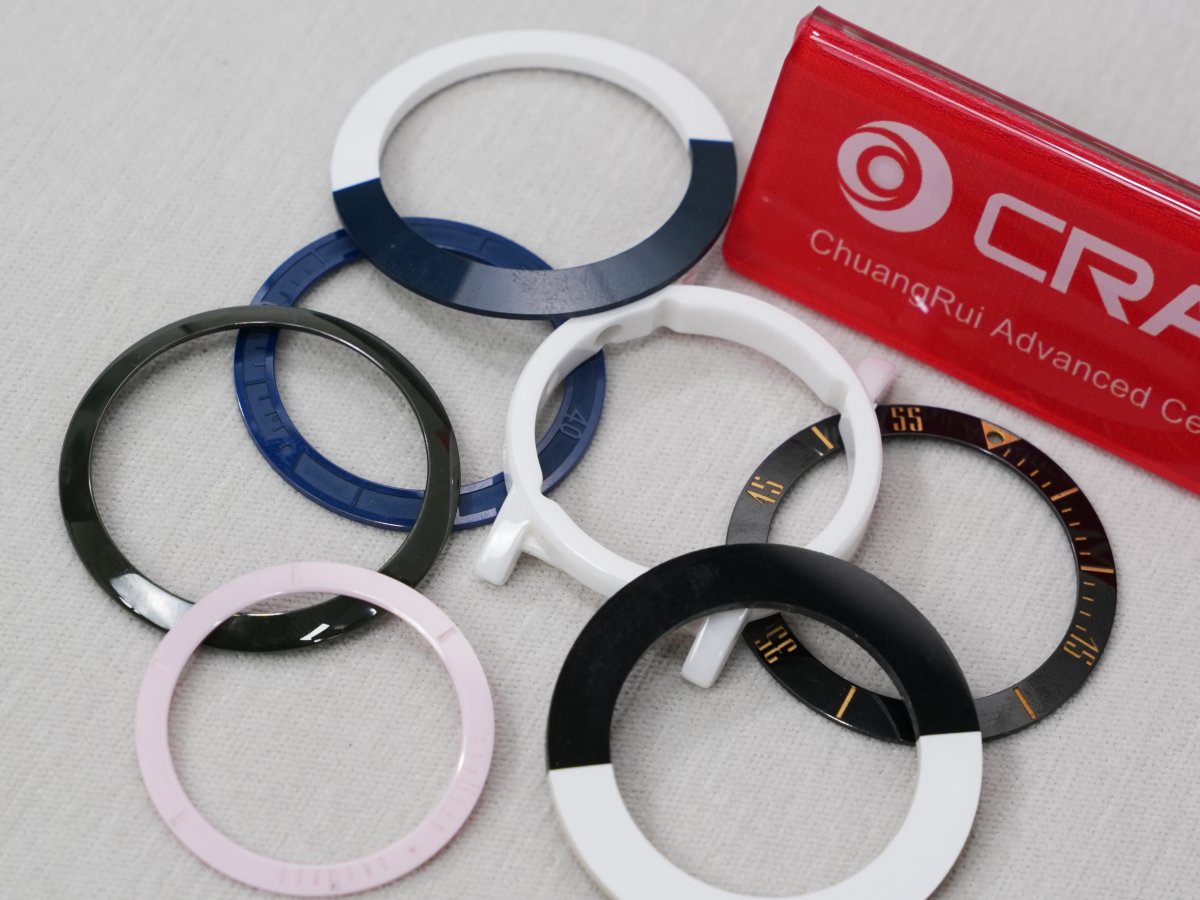
Figure 2: Intricate structural details of CIM-produced ceramic parts with micron-level precision.
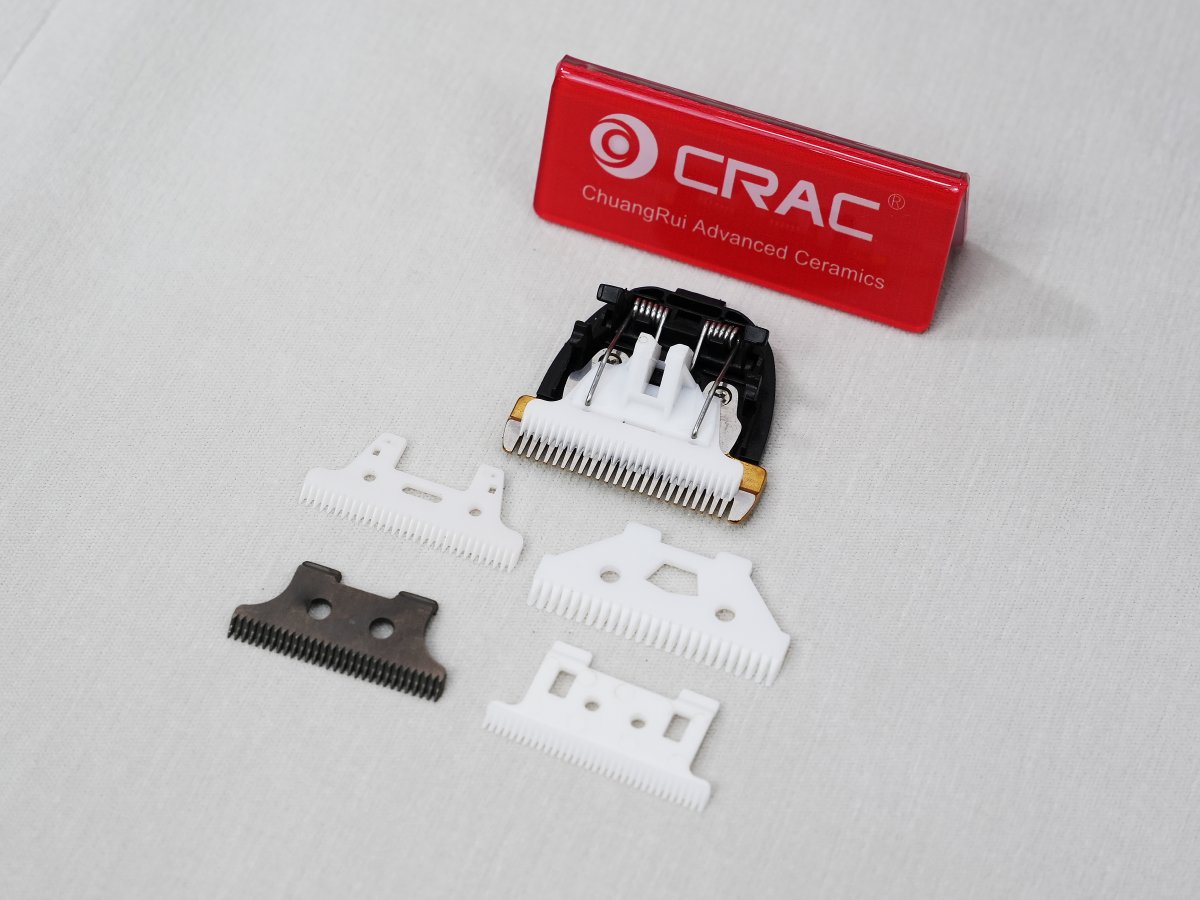
Figure 3: Batch production of injection-molded ceramic parts demonstrating repeatable high-volume manufacturing capability.
Why CIM Excels at Complex Geometries
The defining advantage of ceramic injection molding over alternative forming methods is its ability to produce shapes that no other process can economically achieve. Traditional dry pressing is limited to simple axial geometries because powder must flow uniformly into a die cavity. Isostatic pressing improves density uniformity but still restricts part shape. Green machining of bisque-fired blanks can achieve complexity but introduces tool wear, surface damage, and substantial material waste.
CIM, by contrast, replicates the mold cavity with injection-level precision at every cycle. Undercuts, through-holes, threads, thin walls down to 0.3 mm, stepped profiles, and internal channels can all be produced directly in the as-molded state. This geometric freedom enables designers to consolidate multi-part assemblies into single monolithic ceramic components, eliminating joining operations and potential failure points. A pump housing that once required three machined ceramic pieces brazed together can now be injection molded as one seamless part, improving both reliability and total cost of ownership.
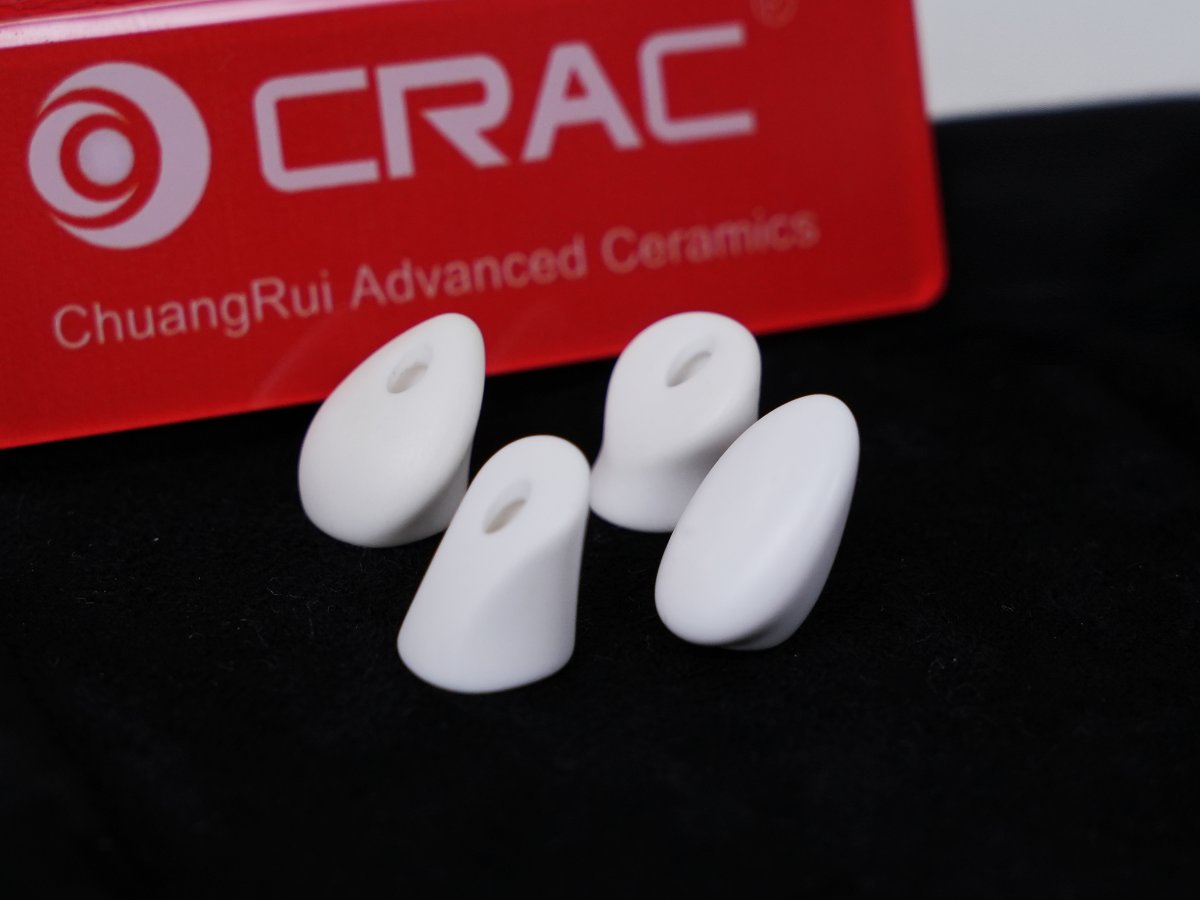
Figure 4: CIM enables intricate geometries such as internal channels, stepped profiles, and thin-walled sections.
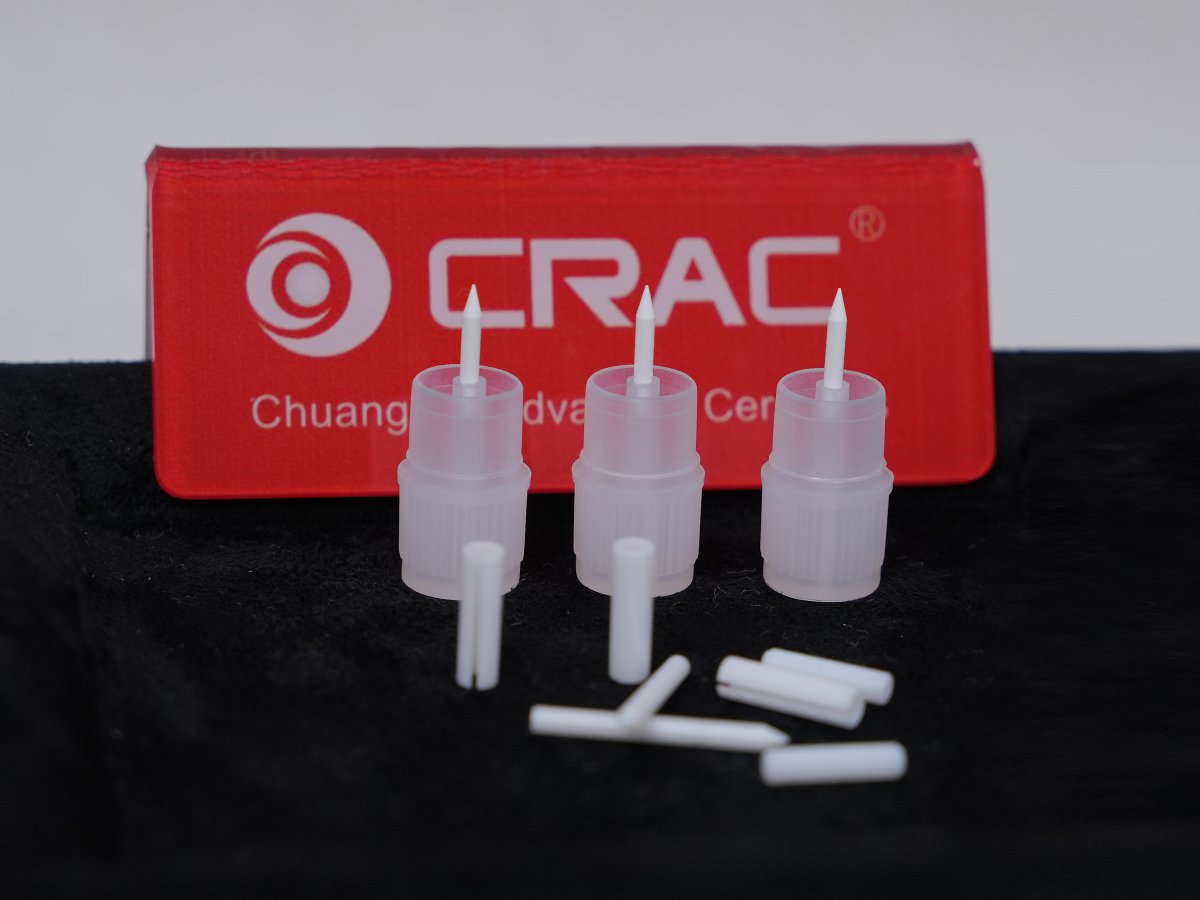
Figure 5: Finished CIM ceramic components ready for end-use deployment across multiple industries.
Material Options for CIM: Matching Performance to Application
The CIM process accommodates a wide range of advanced ceramic materials, each offering distinct property profiles suited to specific operating environments:
| Material |
Key Properties |
Typical CIM Applications |
| Zirconia (Y-TZP) |
Flexural strength 1,000+ MPa, fracture toughness 6-10 MPa·m½ |
Pump components, valve parts, cutting tools, medical implants |
| Alumina (Al₂O₃) |
Hardness 15+ GPa, excellent electrical insulation, chemical inertness |
Electrical insulators, wear plates, sensor housings, textile guides |
| ZTA Composite |
Balanced toughness and hardness, enhanced thermal shock resistance |
Impact-resistant components, armor, heavy-wear industrial parts |
| Silicon Nitride |
High-temperature strength, low thermal expansion, excellent thermal shock resistance |
Turbocharger rotors, bearing balls, welding nozzles, engine components |
Selecting the optimal ceramic grade depends on the specific mechanical, thermal, and chemical demands of the application. Zirconia-based materials dominate in applications requiring high toughness and wear resistance, while alumina excels where electrical insulation and cost-efficiency are priorities.
High-Volume Production: The Economics of CIM Scalability
Once the initial tooling investment is made, CIM delivers compelling unit economics for production volumes exceeding 5,000–10,000 parts per year. The reasons are structural: a single multi-cavity mold can produce dozens of parts per injection cycle with cycle times measured in seconds to tens of seconds. Post-molding, the debinding and sintering stages are batch processes that can handle thousands of parts simultaneously in continuous furnaces. This combination of rapid molding and high-throughput thermal processing yields a cost-per-part trajectory that drops steeply as volumes increase—often reaching a fraction of the cost of CNC machining the same geometry in a pre-sintered ceramic blank.
Critically, CIM achieves this scalability without sacrificing precision. Statistical process control across production lots routinely maintains dimensional tolerances within ±0.3% of nominal (with ±0.1% achievable for critical features after sintering compensation). This repeatability makes CIM the preferred route for OEM supply chains where part-to-part consistency directly impacts assembly line throughput and end-product reliability.
Key Advantages of CIM Over Alternative Forming Methods
- Net-shape capability: Eliminates or minimizes post-sintering machining, reducing diamond tooling costs and lead time
- Design consolidation: Multi-part assemblies become single monolithic components, reducing part count and assembly labor
- Surface finish: As-molded surfaces achieve Ra 0.4–0.8 μm, often sufficient for sealing and sliding applications without further finishing
- Material utilization: Over 95% material yield compared to 30–50% for subtractive machining of ceramic blanks
- Scalability: From prototype quantities (via soft tooling) to millions of units annually with hardened production molds
Industry Applications Driving CIM Adoption
Medical and Dental. The medical sector has been one of the most aggressive adopters of CIM technology. Ceramic injection molding produces orthopedic implants, dental brackets, surgical tool components, and implantable device housings with the combination of biocompatibility, sterilizability, and geometric precision that regulatory bodies demand. Micro-scale CIM parts such as endoscopic tips and drug delivery components now routinely achieve features below 100 μm.
Semiconductor Equipment. As chip fabrication pushes toward smaller nodes, the semiconductor industry demands ceramic components with exceptional purity, dimensional stability, and plasma resistance. CIM produces wafer handling components, chamber liners, gas distribution plates, and electrostatic chuck components that must maintain sub-micron tolerances in aggressive etch and deposition environments.
Consumer and Industrial Products. From household appliances to chemical processing equipment, CIM delivers components that outperform metals and polymers in wear, corrosion, and thermal environments. Ceramic watch cases, pump impellers, valve seats, textile thread guides, and fiber optic connector components all benefit from the design freedom and material performance that CIM uniquely provides.
Quality Control and Process Validation
Production-grade CIM requires rigorous quality systems to manage the inherent dimensional changes that occur during sintering—typically 15–20% linear shrinkage from green to fired state. Modern CIM manufacturers employ mold-flow simulation software to predict fill patterns, weld lines, and shrinkage anisotropy before cutting steel. Post-production inspection integrates coordinate measuring machines (CMM), optical comparators, and CT scanning for internal feature verification.
For critical applications, lot traceability extends from incoming ceramic powder certificates of analysis through to final dimensional reports and mechanical property coupons sintered alongside each batch. This discipline ensures that every ceramic component can be traced back to its processing parameters and raw material lot.