wx

Search Products

Optimizing Milling Efficiency with Superior Ceramic Grinding Media

Optimizing Milling Efficiency with Superior Ceramic Grinding Media

Discover how advanced material engineering can reduce contamination and lower operational costs in high-intensity industrial processing.

The Challenge of Modern Ultra-Fine Grinding

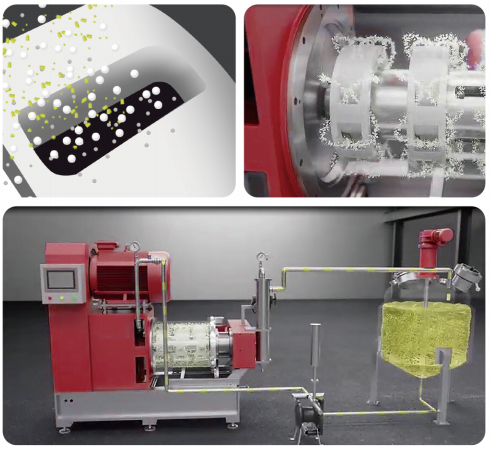
In today's competitive manufacturing landscape, industries ranging from lithium battery materials to pharmaceuticals face a critical bottleneck: grinding inefficiency. High wear rates in traditional media lead to frequent downtime, while material contamination can ruin entire batches of high-purity products. If your facility is struggling with escalating energy costs and inconsistent particle size distribution, the root cause is often the quality of your Ceramic Grinding Media.

At CRAC (Chuangrui advanced ceramics), we understand that the right media is not just a consumable; it is a strategic asset. This guide will explore how selecting specialized Ceramic Grinding Media can transform your production output and ensure the purity of your end products.


Ceramic Grinding Media

Understanding Your Options

Not all media are created equal. Depending on your mill type and slurry viscosity, the choice of material is paramount:

  • Yttria Stabilized Zirconia (YSZ): Known for its high density and exceptional wear resistance, ideal for nano-scale grinding.
  • silicon nitride beads: Superior for high-purity applications where thermal shock resistance is required.
  • alumina beads: A cost-effective solution for large-scale mineral processing and general industrial use.

Strategic Selection of Ceramic Grinding Media

Step 1: Match Density

High-viscosity slurries require high-density media like our ZR95 Nano Zirconia Beads to ensure sufficient kinetic energy for effective dispersion.

Step 2: Size Precision

The bead size should be roughly 20-30 times the initial particle size of the feed material. For ultra-fine requirements, beads as small as 0.05mm are essential.

Step 3: Chemical Purity

In the semiconductor and new energy sectors, choosing Ceramic Grinding Media with high chemical stability prevents metallic contamination that affects battery performance.

Engineering Excellence at CRAC

Based on our extensive experience serving hundreds of global clients in the New Energy Lithium Battery Industry and chemical engineering sectors, CRAC has perfected the balance of toughness and hardness. Our manufacturing process involves precision sintering and rigorous quality control to ensure that every bead meets global standards for circularity and surface finish.

Our Silicon Nitride Microbeads are a testament to our innovation, offering a service life significantly longer than traditional glass or low-grade ceramic alternatives. This durability translates directly into lower maintenance costs and higher ROI for your milling operations.

Frequently Asked Questions

How do I know which Ceramic Grinding Media is compatible with my equipment?

Compatibility depends on the mill lining and the peripheral speed. Our technical team provides consultation to match our media with your specific bead mill configuration.

What is the typical lead time for bulk orders?

Standard products are shipped within 7-14 business days. Customized dimensions or high-volume orders are scheduled according to our production queue to ensure timely delivery.

Do you provide samples for testing?

Yes, we offer free samples for quality evaluation and pilot testing. This allows you to verify the performance and wear-rate of our Ceramic Grinding Media in your own production environment before committing to a full-scale purchase.

Ready to Enhance Your Grinding Process?

Contact CRAC technical experts today for a free consultation or to request your sample kit.

Technical Support: crac@crac-cn.com

© 2026 Chuangrui Advanced Ceramics (CRAC). All Rights Reserved.

Get a Full Quote

Please write a email.