Nano-particle dispersion and ultra-fine milling demand far more from grinding media than conventional size reduction. When the target moves below 100 nm, every impact must deliver controlled energy without introducing contamination or breaking the beads themselves. Microcrystalline zirconia grinding beads meet this challenge through an extremely fine-grained, dense microstructure that resists fracture and keeps the slurry clean.
This guide explains how microcrystalline zirconia beads improve nano particle dispersion and ultra-fine milling efficiency, and where they outperform other ceramic media.
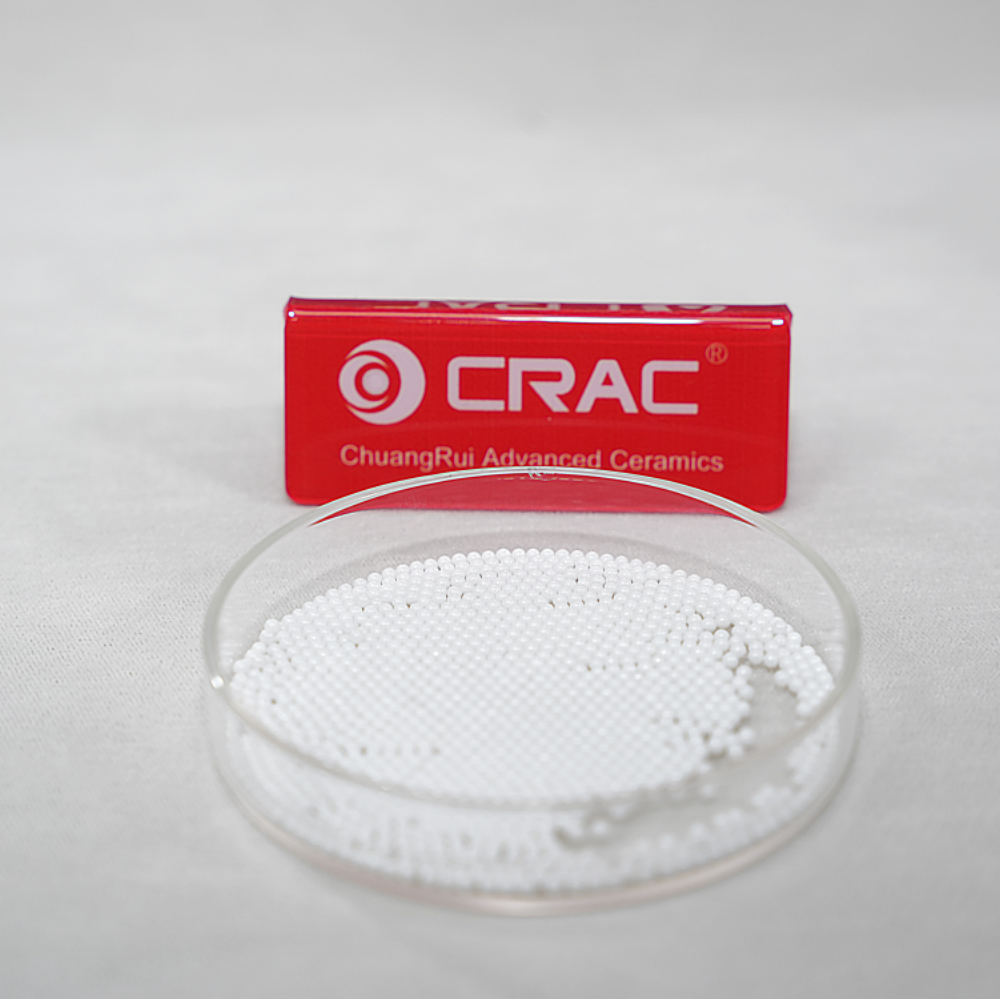
Figure 1: Uniform, high-density microcrystalline zirconia beads for nano-scale milling
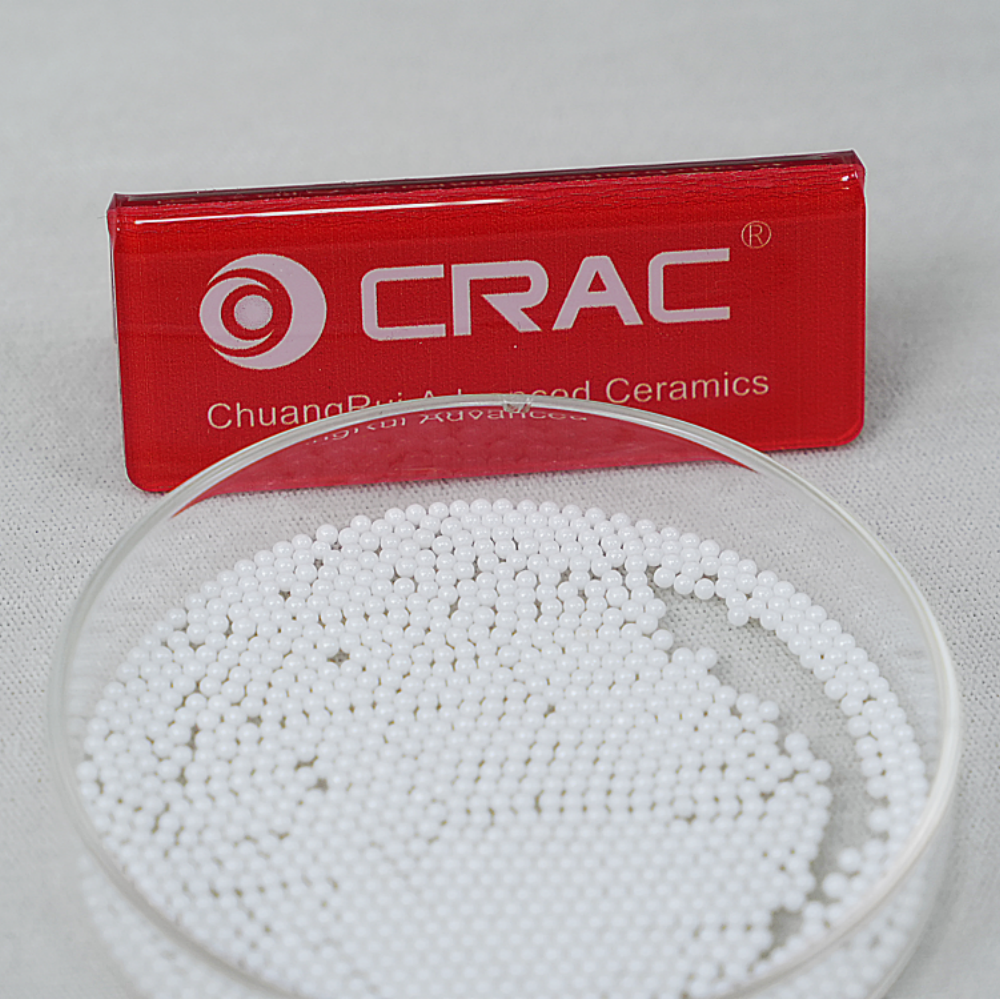
Figure 2: Smooth surface and tight roundness support repeatable dispersion results
Four Requirements for Nano-Particle Dispersion
1
Controlled Energy Input
Nano-milling needs enough energy to break agglomerates without over-grinding. Beads must transfer impact energy predictably to narrow particle size distribution.
2
Minimal Contamination
Every speck of wear debris becomes part of the product. High-purity media with low wear rates protect sensitive formulations in battery, electronics and pharma slurries.
3
Long Service Life
Frequent top-ups change the media charge size and disturb the process. Durable beads maintain steady milling kinetics and reduce downtime.
4
Chemical Stability
Acidic, alkaline or water-based slurries can attack inferior media. Stable chemistry preserves pH, rheology and final product performance.
For a broader look at how media properties affect results, read the essential role of ceramic grinding beads and how to select ceramic grinding media for high-intensity milling.
Why Microcrystalline Zirconia Beads Excel
Fine-Grained Microstructure
Tiny, uniformly distributed crystals limit crack propagation. Even after millions of impacts, the bead keeps its shape and grinding efficiency.
High Density and Hardness
A dense yttria-stabilized zirconia body delivers the high energy density needed for ultra-fine grinding while resisting abrasion from hard powders.
Smooth, Spherical Surface
Excellent roundness and a polished surface reduce friction between beads, lower heat generation and improve flow through the mill.
Low Wear Rate
Minimal mass loss keeps the media charge stable and reduces foreign particles in light-colored or high-purity slurries.
Chemical Inertness
Stable across a wide pH range, microcrystalline zirconia does not leach ions into water-based, solvent-based or reactive dispersions.
Thermal Shock Resistance
Rapid temperature changes during intensive milling are less likely to cause cracking, helping continuous processes stay on target.
For a side-by-side media comparison, see zirconia beads vs silicon nitride beads and why zirconia balls stand out.
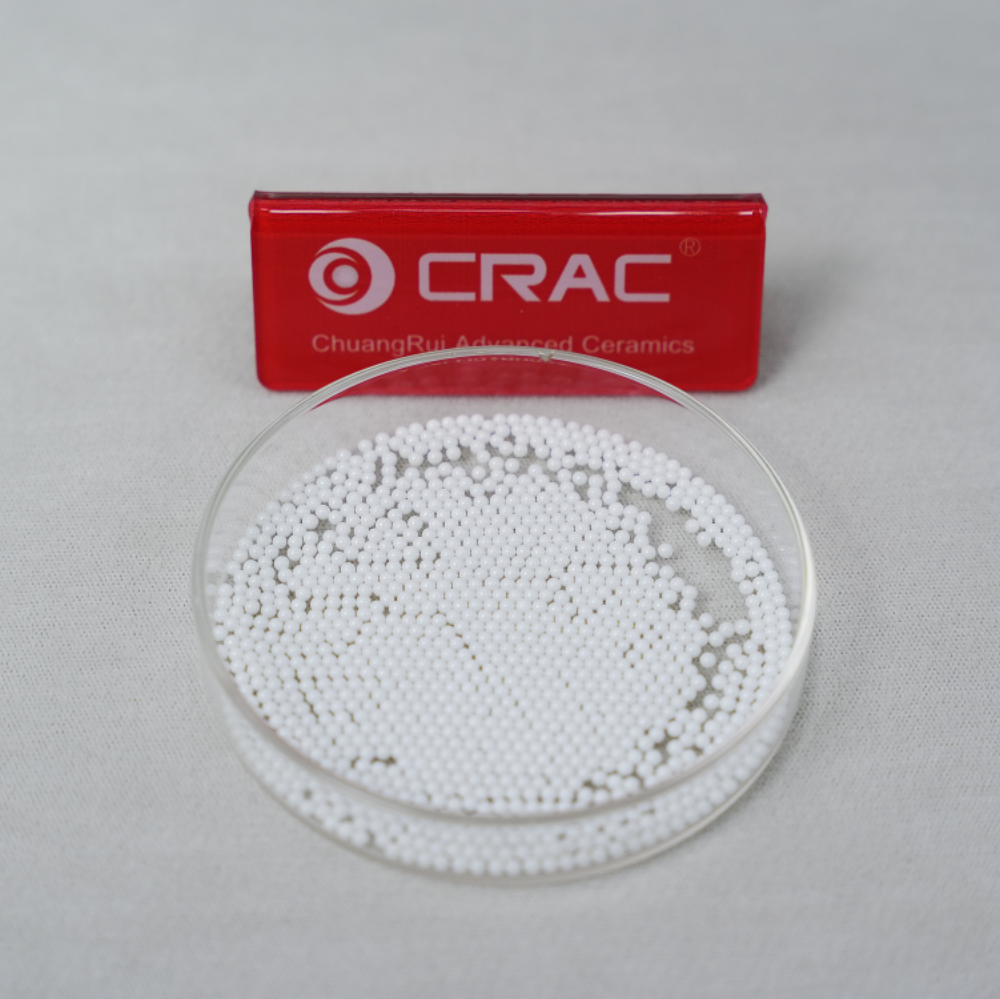
Figure 3: Consistent size and microstructure for stable ultra-fine milling campaigns
Media Comparison for Ultra-Fine Milling
The table below compares common ceramic media for nano-particle dispersion and ultra-fine milling.
| Property |
Microcrystalline Zirconia |
Yttria-Stabilized Zirconia |
Silicon Nitride |
Alumina |
| Density (g/cm³) |
~6.0 |
~6.0 |
~3.2 |
~3.7 |
| Hardness (HV) |
1,200+ |
1,200+ |
1,500+ |
1,400–1,600 |
| Fracture Toughness |
Excellent |
Very good |
Excellent |
Moderate |
| Wear Rate |
Very low |
Low |
Very low |
Moderate |
| Best Fit |
Nano dispersion, ultra-fine milling |
Hard pigments, high-energy mills |
High-speed, heat-sensitive slurries |
Economical mineral milling |
To explore another high-purity option, read about ultra-wear-resistant silicon nitride microbeads and their use in semiconductor dispersion.
Industrial Applications
Lithium Battery Materials
LFP, NCM and graphite slurries need narrow particle size and low contamination. Microcrystalline zirconia beads support new-energy lithium battery production with stable milling kinetics.
Paints, Inks and Coatings
Automotive coatings, printing inks and decorative paints require gloss, color strength and hiding power that depend on fine, uniform pigment dispersion.
Pigments and Dyes
In the pigment and dye industry, the right media reduces agglomerates and improves batch-to-batch consistency without graying the color.
Electronics and Ceramics
Dielectric pastes, MLCC slurries and advanced ceramic powders rely on sub-micron particle size and chemical purity during semiconductor processing.
Fine Chemicals
Agrochemicals, catalysts and specialty chemicals benefit from controlled particle reduction and stable pH throughout the process.
Minerals and Mining
Ultra-fine grinding of calcium carbonate, talc and other minerals for coated paper and fillers benefits from the durability of microcrystalline zirconia.
Related reading: nano zirconia beads for lithium battery material grinding, five key factors for battery material quality, and the role of zirconia beads in superior grinding finishes.
Selecting Beads for Nano and Ultra-Fine Processes
- Match bead size to target fineness — sub-100 nm targets typically use 0.03–0.3 mm beads; larger beads risk re-agglomeration.
- Control energy density — microcrystalline zirconia delivers high impact energy, but tip speed and residence time must be tuned to avoid over-milling.
- Check slurry chemistry — confirm compatibility with pH, solvent type and dispersant chemistry for stable production.
- Measure wear against your product — run a side-by-side wear test under real conditions rather than relying on catalog data.
- Verify lot consistency — nano processes are sensitive to size and density variation; request certificates and sample verification.
For practical guidance, read how to extend equipment service life, three solutions for fast-wearing media, and why choose ceramic grinding beads.
The Bottom Line
microcrystalline zirconia grinding beads combine a dense, fine-grained structure with high hardness and chemical stability. These properties make them especially effective for nano-particle dispersion and ultra-fine milling, where particle size control, purity and process stability determine product quality. From battery materials to coatings and electronics, they provide a reliable path to tighter distributions and cleaner slurries.
If your current media struggles with breakage, contamination or inconsistent fineness at small particle sizes, microcrystalline zirconia beads are worth evaluating in a controlled trial.