Selecting the wrong ceramic grinding media is one of the costliest mistakes a production engineer can make. The consequences cascade through every stage of manufacturing: excessive bead wear contaminates the product, suboptimal grinding efficiency wastes energy and time, and mismatched media hardness leads to equipment damage that spirals into unplanned downtime. Yet, with multiple media types available — each promising superior performance — making the right choice can feel overwhelming.
This guide cuts through the complexity. Whether you are milling lithium battery cathode materials, pharmaceutical active ingredients, or mineral ores, the selection principles remain grounded in the same fundamentals: material composition, bead size, density, and application requirements. By the end of this article, you will have a systematic framework for evaluating and selecting ceramic grinding media that maximizes throughput, minimizes contamination, and reduces total operating cost.
📌 At a Glance: Quick Media Selection Guide
⚡ Best All-Rounder
YSZ Beads — Optimal balance of density, hardness, and cost for most high-value applications. The industry standard for lithium battery, pharmaceutical, and pigment milling.
💎 Purest
Si₃N₄ Beads — Ultimate contamination control for semiconductor and electronic ceramics. 25% harder than zirconia with near-zero impurity release.
💰 Most Economical
Alumina Beads — Cost-effective for moderate-purity, non-abrasive applications where high throughput is not the primary driver.
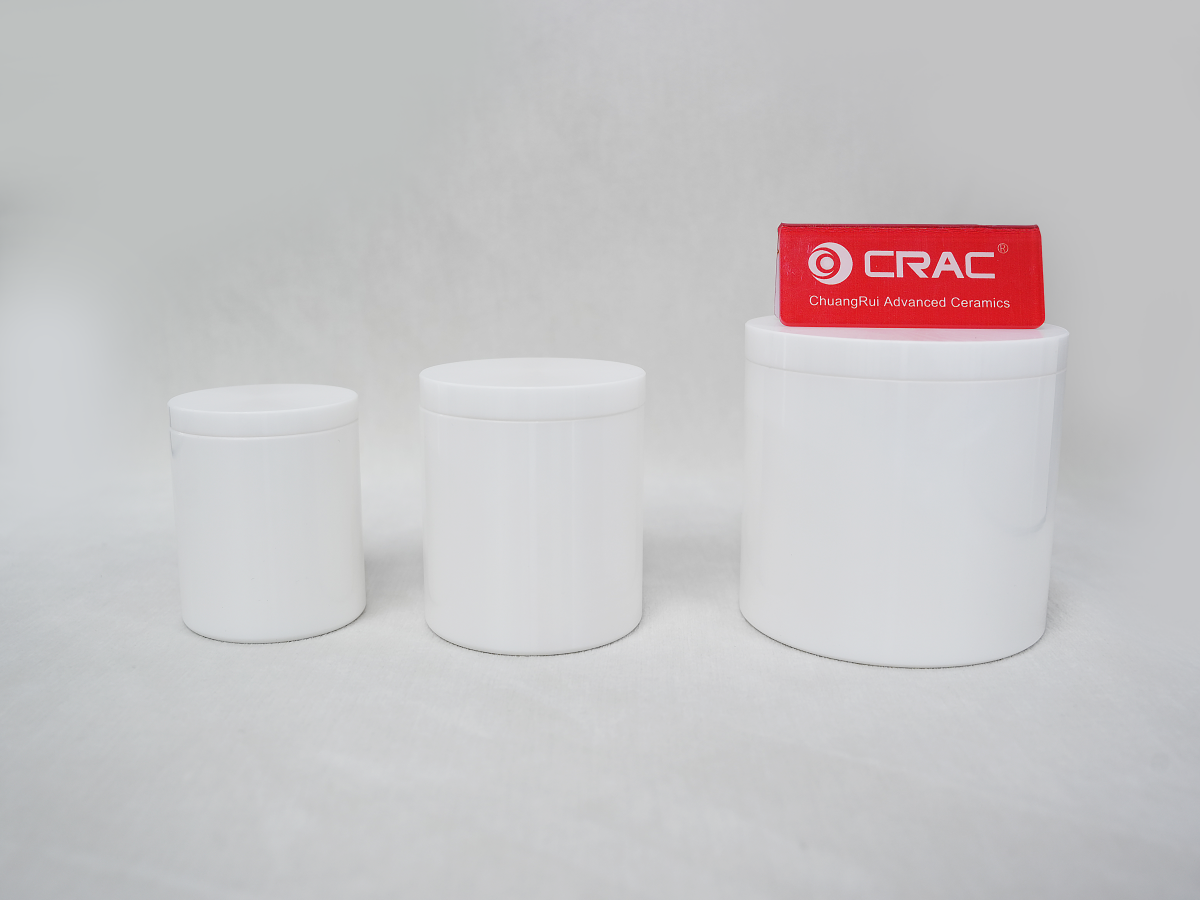
Figure 1: High-purity zirconia ceramic ball milling jars and grinding media — the foundation of contamination-free milling.
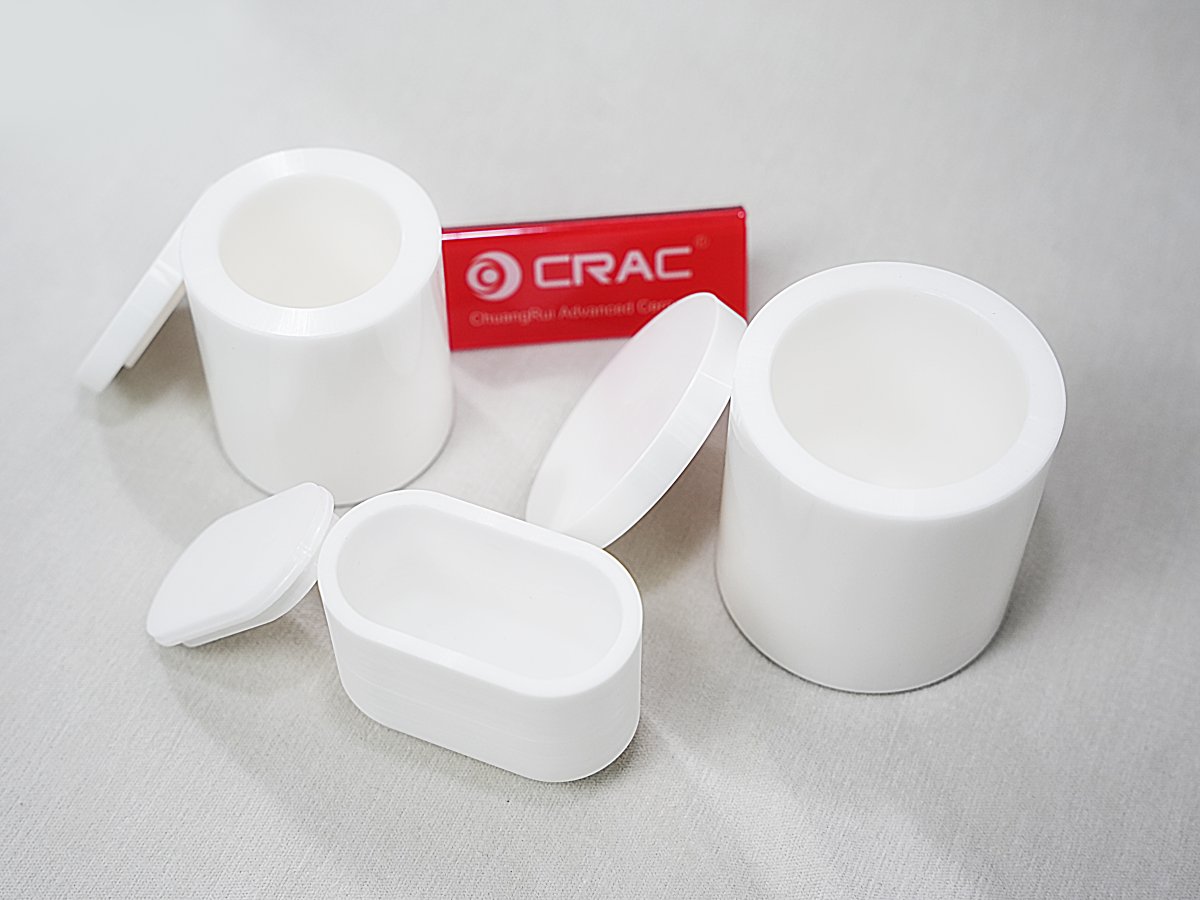
Figure 2: Complete ball milling jar assemblies — jar material selection is just as critical as media choice.
Understanding the Three Core Types of Ceramic Grinding Media
Ceramic grinding media are not created equal. Each formulation targets specific performance characteristics, and understanding these differences is the first step toward an informed selection. The three dominant categories in modern industrial milling are yttria-stabilized zirconia (YSZ), silicon nitride (Si₃N₄), and alumina (Al₂O₃). Each occupies a distinct performance-to-cost position, from the all-round workhorse to the ultra-pure specialist.
TYPE 1
Yttria-Stabilized Zirconia (YSZ) — The Industry Workhorse
Yttria-stabilized zirconia beads dominate high-end milling applications for good reason. With a density of approximately 6.0 g/cm³ — nearly double that of alumina — they deliver 3× to 5× the kinetic energy per impact compared to lower-density alternatives. This translates directly to faster grinding and finer particle size reduction. Their Vickers hardness of 1,200–1,350 HV ensures minimal wear, even when processing abrasive materials such as ceramic powders, mineral pigments, and battery electrode precursors.
Density
~6.0 g/cm³
Hardness
1,200–1,350 HV
Best For
Lithium battery, pharma, inks
Cost Level
[object Object] Moderate
YSZ beads achieve the best balance of high density, exceptional wear resistance, and near-zero contamination risk, making them the preferred choice for maximizing grinding efficiency in demanding applications. Their transformation toughening mechanism also means they resist catastrophic fracture — a bead that wears gradually is far less dangerous than one that shatters and scatters sharp fragments through the mill. YSZ is also capable of handling high-energy milling environments at tip speeds up to 14 m/s when properly specified, making it the most versatile choice across the widest range of mill types.
✅ Quick Win: If you are currently using alumina beads and experiencing excessive wear or contamination, switching to YSZ typically reduces media consumption by 60–80% while improving product purity. The ROI on this switch is often achieved within 3–6 months.
💡 Pro Tip: When switching from alumina to zirconia beads, reduce the media fill ratio by 10–15% initially to compensate for the higher density, and monitor motor current draw closely during the first 48 hours of operation.
TYPE 2
Silicon Nitride (Si₃N₄) — The Ultra-Hard Specialist
For applications demanding the ultimate in hardness and wear resistance, silicon nitride beads occupy a league of their own. At 1,500–1,700 HV, Si₃N₄ is approximately 25% harder than YSZ and approaches the hardness of cubic boron nitride. Its density of 3.2 g/cm³ is lower than zirconia, which reduces impact energy — but in applications where contamination from media wear is the primary concern, Si₃N₄ is unmatched.
Density
~3.2 g/cm³
Hardness
1,500–1,700 HV
Best For
Semiconductor, MLCC, SiC powder
Cost Level
[object Object]$ High
These beads are the standard in semiconductor-grade material processing, electronic ceramics, and advanced phosphor grinding, where even parts-per-billion levels of zirconium contamination are unacceptable. The higher cost of Si₃N₄ media — typically 2× to 4× that of YSZ — positions them as a specialized solution rather than a general-purpose replacement.
💡 Pro Tip: When grinding tungsten carbide, silicon carbide, or other ultra-hard powders, only Si₃N₄ provides sufficient hardness differential to maintain practical wear rates. Using YSZ in such applications leads to rapid media consumption and unacceptable contamination levels.
TYPE 3
Alumina (Al₂O₃) — The Economical Alternative
Alumina beads, with a density of approximately 3.6 g/cm³ and hardness of 1,200–1,400 HV, offer a compelling value proposition for less demanding applications. They are the most cost-effective ceramic grinding media on a per-kilogram basis and perform adequately in applications where product purity requirements are moderate and throughput demands are not extreme. Alumina beads see widespread use in the paint and pigment industry, ceramic glaze preparation, and mineral filler processing.
Density
~3.6 g/cm³
Hardness
1,200–1,400 HV
Best For
Paints, glazes, fillers
Cost Level
$ Low
However, their Achilles' heel is contamination. Alumina beads wear 3× to 5× faster than zirconia in abrasive environments, and the aluminum contamination they introduce can be problematic in applications sensitive to ionic impurities — including many pharmaceutical and battery material processes. For these reasons, many manufacturers are transitioning from alumina to zirconia-based media as product purity standards tighten.
The Five Key Factors for Grinding Media Selection
Moving beyond material type, five key selection factors determine whether a given grinding media will perform optimally — or fail expensively — in a specific application:
1
Bead Size and Size Distribution
Bead size is the single most influential parameter affecting grinding efficiency. Smaller beads provide more contact points per unit volume — a 0.3 mm bead generates approximately 8× more contacts than a 0.6 mm bead in the same mill volume — enabling finer grinding and narrower particle size distributions. However, smaller beads carry less kinetic energy per impact, and there is a practical lower limit below which the beads no longer have sufficient energy to fracture target particles.
Target PSD
1–10 μm
Beads: 0.3–0.5 mm
Nano zirconia beads for battery cathode
Target PSD
10–50 μm
Beads: 0.6–1.0 mm
Workhorse range for industrial dispersion
Target PSD
50–200 μm
Beads: 1.2–3.0 mm
Chemical pre-grinding & coarse milling
Target PSD
>200 μm
Beads: 3.0+ mm
Mineral processing & mining
Equally important is size distribution. High-quality ceramic grinding media should exhibit a narrow size distribution — ideally within ±0.05 mm of the nominal diameter. Wide distributions cause irregular packing in the mill, uneven energy distribution, and accelerated wear on undersized beads that carry disproportionately high loads. Nano zirconia beads with tight size tolerances are critical for achieving sub-micron particle targets.
2
Density — Energy Transfer and Mill Loading
Bead density directly determines the kinetic energy delivered per impact. Higher density translates to higher grinding efficiency — but also higher mechanical stress on mill components, higher power consumption, and the risk of over-grinding if not properly managed.
Zirconia (YSZ)
6.0 g/cm³
Highest impact energy per bead. ✅ Best for fine grinding & high throughput.
Alumina
3.6 g/cm³
Moderate impact energy. ⚠ Slower grinding, lower throughput.
Si₃N₄
3.2 g/cm³
Lowest impact energy. ✅ Best when purity > throughput.
Zirconia-based media (6.0 g/cm³) outperform traditional glass beads (2.5 g/cm³) and alumina (3.6 g/cm³) in high-intensity milling precisely because of this density advantage. However, the mill drive system must be sized accordingly — a mill optimized for alumina beads may experience motor overload if simply switched to zirconia without recalibration.
Media hardness must be higher than the target material being ground — typically 2× to 3× harder — to achieve efficient size reduction without excessive media wear. When media wear exceeds approximately 0.5% per batch, not only does the grinding efficiency drop as beads lose mass and diameter, but product contamination becomes a measurable quality issue.
▲ Hardness hierarchy of common grinding media (higher = harder)
For ultra-hard target materials such as tungsten carbide or silicon carbide powders, only Si₃N₄ media provide sufficient hardness differential for practical wear rates.
4
Chemical Compatibility and Contamination Risk
One of ceramic grinding media's greatest advantages over metal media — zero metal contamination — only holds true when the media chemistry is compatible with the product stream.
🔬 pH Sensitivity
Alumina beads dissolve slowly in strong alkaline environments (pH > 12), introducing aluminum ions. Zirconia beads are immune across the full pH spectrum.
🎨 Color Contamination
Even trace levels of zirconia wear debris (white) are more visible in white products than alumina debris. Critical for white pigment production.
💉 Ionic Contamination
In pharmaceutical milling, sub-ppm yttrium from YSZ may require regulatory disclosure. Si₃N₄ preferred where ionic purity is the dominant requirement.
🔑 Cross-Contamination
Dedicated media sets for different product families prevent cross-contamination. Critical in pharma and food-grade.
5
Total Cost of Ownership — Beyond the Purchase Price
The sticker price of grinding media tells only a fraction of the story. A comprehensive total cost of ownership (TCO) analysis must account for multiple hidden cost drivers:
📦
Media Consumption
Grams lost per ton processed
⚠️
Product Loss
Off-spec batches from impurities
⏱️
Mill Downtime
Labor & production loss
⚙️
Component Wear
Liners & agitator discs
⚡
Energy Efficiency
kWh per ton processed
In nearly every case where a rigorous TCO model is applied, premium ceramic grinding media — particularly YSZ — emerge as the most economical choice, despite higher purchase prices than alumina or glass alternatives.
Application-Specific Selection Matrix
The following matrix maps common industrial applications to recommended ceramic grinding media types based on decades of collective field experience:
| 🌎 Application |
⭐ Recommended Media |
📏 Bead Size (mm) |
📝 Key Consideration |
Lithium battery cathode
(NMC, LFP, LCO) |
YSZ |
0.3–0.5 |
Metal contamination ≤ 50 ppb; narrow PSD required |
Pharmaceutical API
micronization |
YSZ |
0.3–0.8 |
GMP compliance; full traceability; low extractables |
Inkjet ink & pigment
dispersion |
YSZ |
0.1–0.5 |
Ultra-fine dispersion; long campaign life |
Automotive paint
& coatings |
YSZ |
0.6–1.2 |
High throughput; color consistency |
| Mineral ore grinding |
YSZ or Al₂O₃ |
2.0–5.0 |
High throughput; cost sensitivity; wear tolerance |
Ceramic powder
processing |
Si₃N₄ or YSZ |
0.5–2.0 |
Hardness differential; cross-contamination |
Electronic ceramics
(MLCC, ferrite) |
Si₃N₄ |
0.1–0.5 |
Sub-ppm contamination; dielectric purity |
Agrochemical
suspension concentrates |
YSZ or Al₂O₃ |
0.8–1.5 |
Cost-effective; moderate purity requirements |
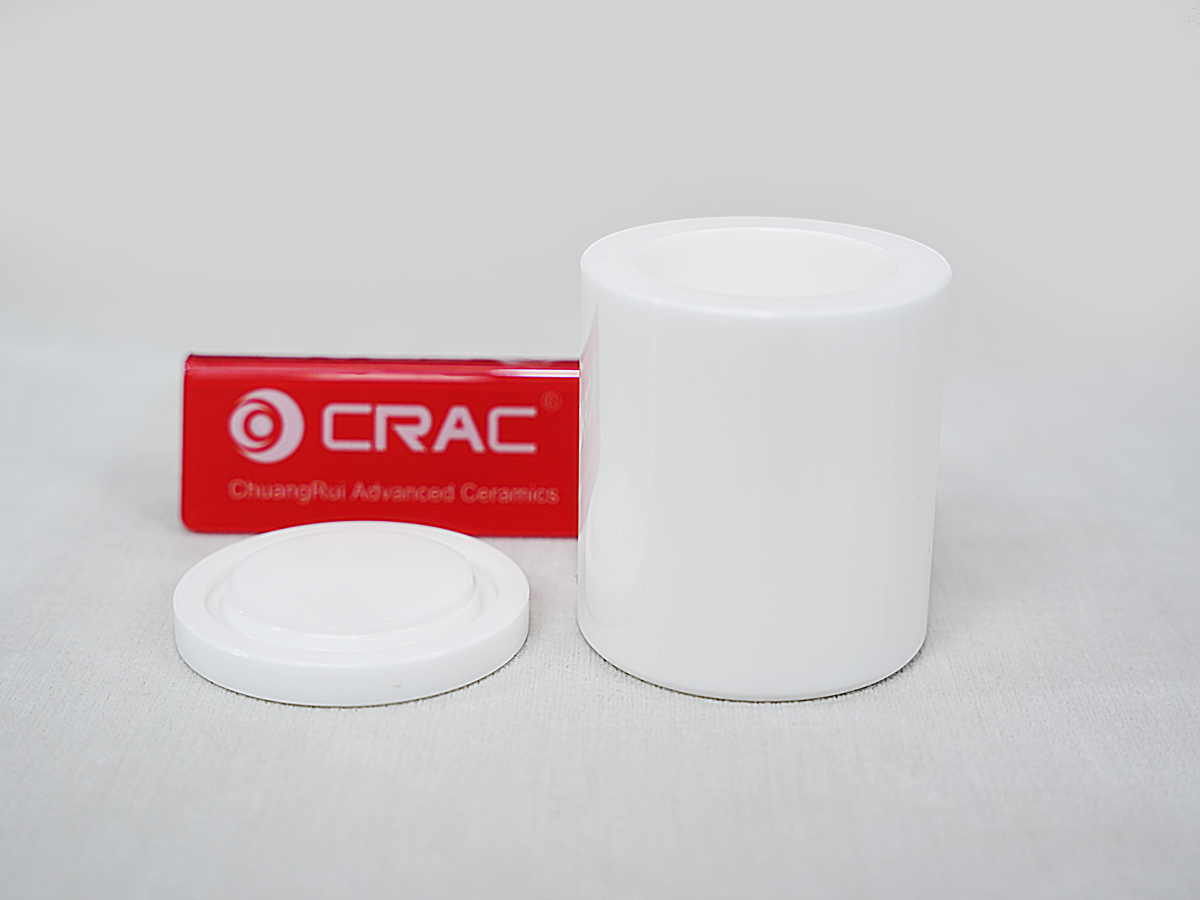
Figure 3: Various sizes of zirconia ceramic grinding media — selecting the right diameter is critical for target particle size achievement.
5 Common Mistakes That Cost You Time and Money
Even experienced engineers fall into predictable traps. Awareness can save tens of thousands in rework and lost production.
✗
Mistake 2: Oversizing Beads "For Longevity"
Using beads larger than necessary because "they last longer" is counterproductive. Larger beads reduce contact points, decrease grinding efficiency, and widen the product PSD. Choose the smallest bead that delivers sufficient impact energy — and no larger.
✗
Mistake 3: Neglecting Bead Shape Quality
Low-cost beads often exhibit irregular shapes — elongations, surface pits, inconsistent sphericity. These stress concentrations lead to premature fracture. Premium media should exceed 95% sphericity with surface roughness below 0.2 μm Ra.
✗
Mistake 4: Mixing Bead Types or Sizes
Never mix different bead materials or sizes in the same mill. Different wear rates cause faster-wearing beads to shrink, pack into gaps, and unpredictably shift the overall size distribution. When changing media types, perform a complete mill clean-out.
✗
Mistake 5: Ignoring Mill Lining Compatibility
Using high-density zirconia beads in a mill with alumina liners accelerates liner wear by 3× to 5× — the media survives, but the mill does not. Hardness matching between media and liners is a system-level consideration, not an afterthought.
Testing & Validation: How to Confirm Your Selection
No amount of theoretical analysis replaces empirical validation. Before committing to a full-scale media purchase, run controlled trials following this protocol:
1
Baseline Characterization
Document current media type, bead size, fill ratio, mill speed, product throughput, particle size distribution (D10, D50, D90), and contamination levels for at least five production batches.
2
Controlled Trial (50–200+ Hours)
Run candidate media in a single mill, maintaining all other parameters constant. Measure media wear rate by mass, product PSD, and contamination at regular intervals. Minimum 50 hours; preferably 200+ hours for wear curve stabilization.
3
Wear Curve Analysis
Plot media mass loss against operating hours. A healthy curve shows high initial wear (break-in) that plateaus to a low steady-state rate within 20–40 hours. Continued rapid wear signals incompatibility.
4
Product Quality Verification
Submit trial production samples for full quality analysis — including trace element ICP-MS if contamination is a concern. Compare against baseline data for statistical significance.
5
Economic Analysis — TCO Projection
Translate trial data into a TCO projection — media cost per ton processed, factoring in replacement frequency, energy consumption differential, and any product quality improvements or degradation.
This disciplined validation approach is the difference between a data-driven media selection that delivers sustained value and a guess that delivers sustained problems. Leading ceramic grinding media suppliers offer sample quantities specifically for this purpose and can provide technical guidance on trial design.
Conclusion: The Right Media Transforms Your Process
Selecting ceramic grinding media is not a one-time procurement decision — it is a strategic engineering choice that directly affects product quality, production throughput, and operating costs for years to come. The framework is clear: match media composition to your product's purity and hardness requirements, match bead size to your target particle size, and never let purchase price alone drive the decision.
For the vast majority of high-value industrial milling applications — from lithium battery materials to pharmaceutical APIs to advanced ceramics — yttria-stabilized zirconia beads represent the optimal balance of performance, longevity, and contamination control. Where contamination standards demand the ultimate in chemical purity and hardness, Si₃N₄ delivers unmatched results. And for cost-sensitive applications with moderate purity requirements, alumina remains a viable and economical alternative.
The investment in getting this decision right pays for itself not once, but continuously — through every batch that meets specification, every month of uninterrupted production, and every avoided contamination event. Take the time to test, validate, and select systematically. Your production line and your bottom line will thank you.
Need Expert Guidance on Grinding Media Selection?
CRAC specializes in high-performance ceramic grinding media — from yttria-stabilized zirconia to silicon nitride and alumina beads. With deep technical expertise across battery materials, pharmaceuticals, pigments, and mineral processing, our engineering team can help you identify the optimal media for your specific milling application.