Industrial wear is one of the biggest causes of unplanned downtime. Components that slide, rotate, or handle abrasive media lose material fast, forcing frequent replacement and contamination risks. Zirconia ceramic products offer a proven alternative: high hardness, exceptional fracture toughness, and strong chemical stability in a wide range of wear-resistant industrial components.
This guide explains the key advantages of zirconia ceramic products in demanding industrial environments, and how they outperform metals and other ceramics in severe wear conditions.
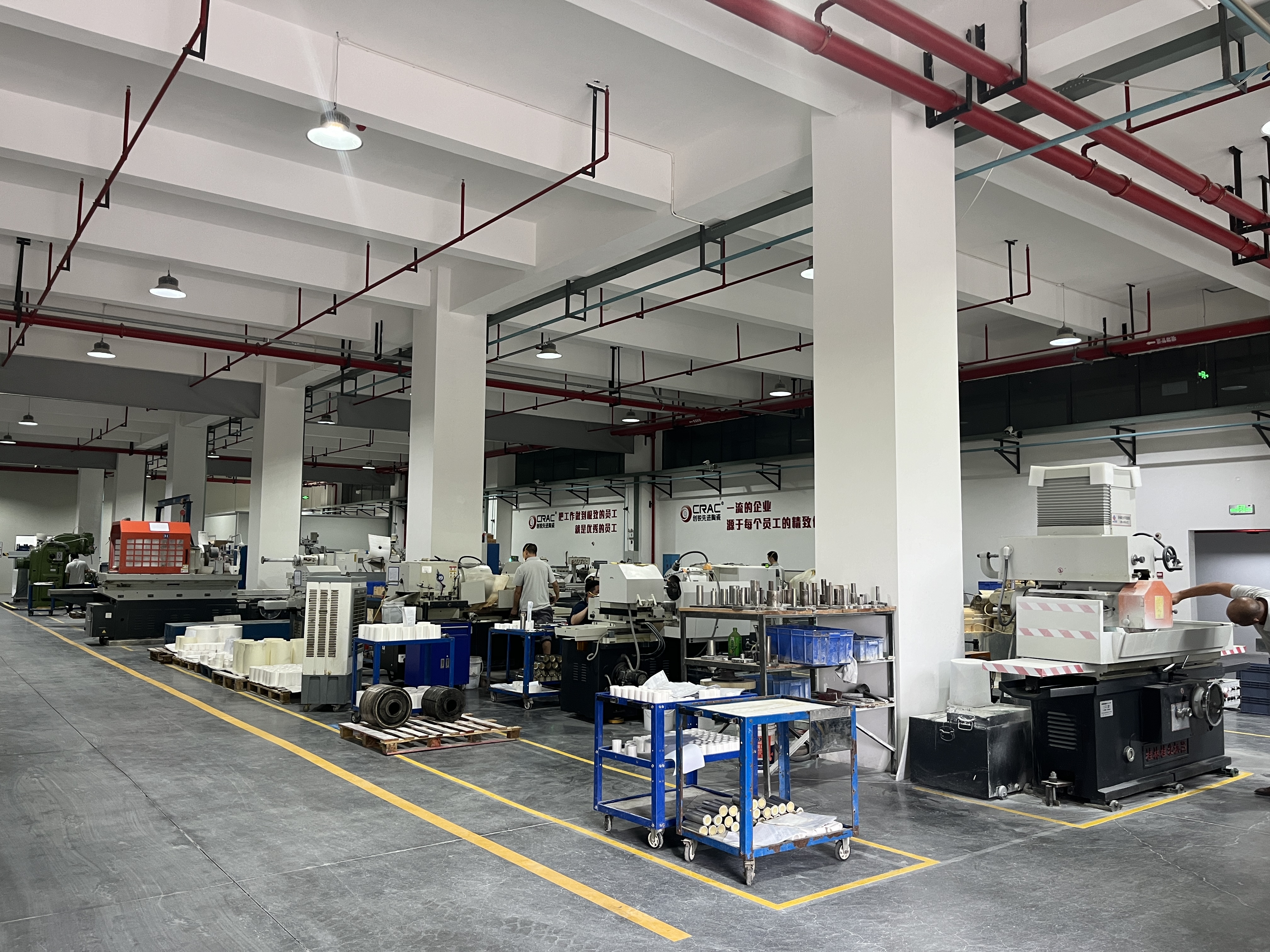
Figure 1: Precision finishing workshop for tight-tolerance zirconia ceramic wear parts
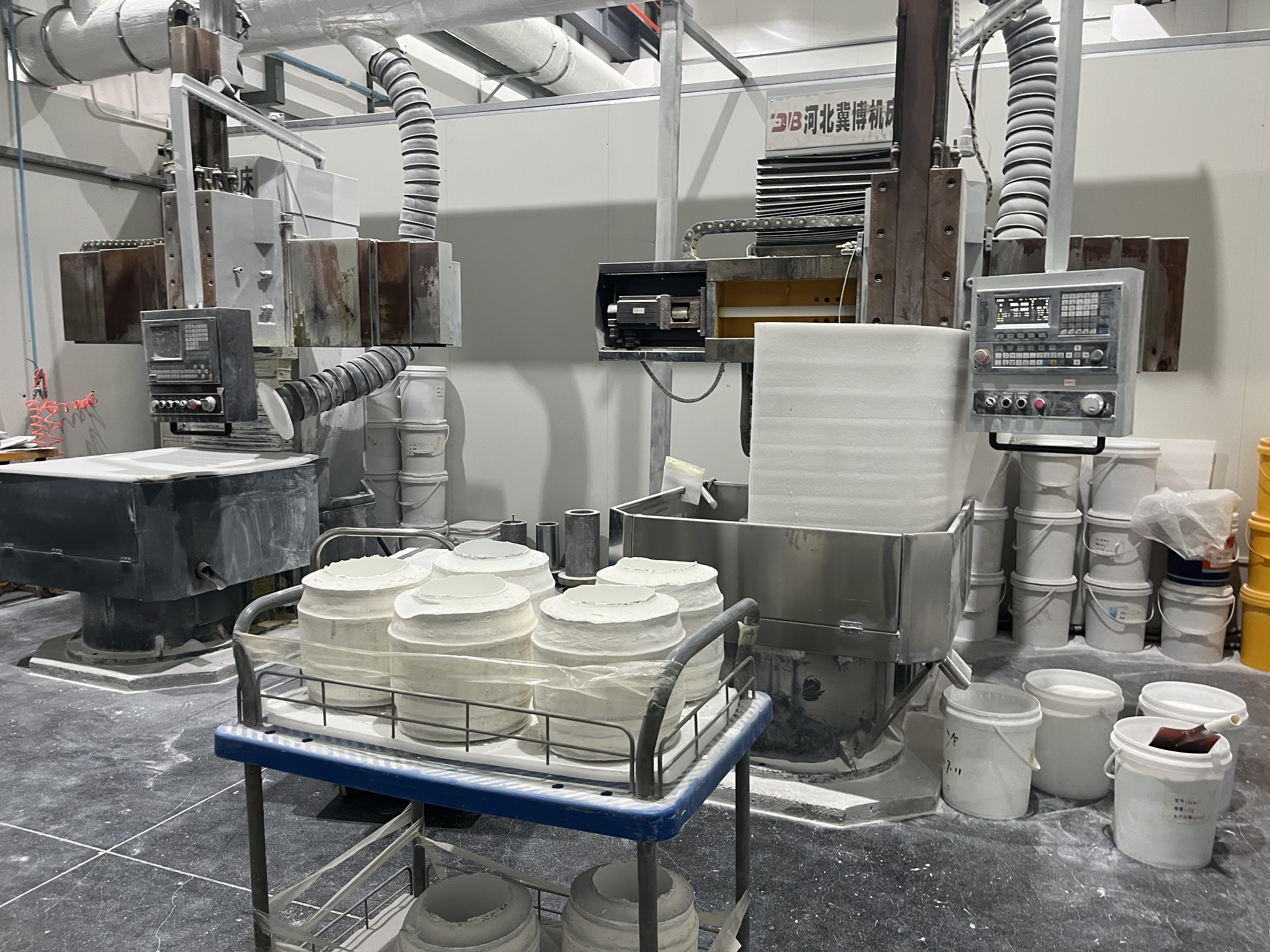
Figure 2: CNC turning room producing zirconia ceramic blanks for wear-resistant parts
Why Wear Resistance Matters in Industrial Components
1
Abrasive Particle Erosion
Slurries containing oxides, carbides, or minerals cut into metal surfaces continuously, changing tolerances and causing leakage.
2
Adhesive and Sliding Wear
Repeated contact between moving parts creates galling and material transfer, especially under high loads or poor lubrication.
3
Chemical Corrosion
Acids, alkalis, and salts accelerate metal corrosion. Combined wear and corrosion can double material loss in harsh process fluids.
4
Thermal Cycling
Rapid heating and cooling weaken many materials. Components in high-temperature processes need both thermal stability and toughness.
For severe-service examples, see wear-resistant zirconia ceramic parts for extreme conditions and precision ceramic parts for wear resistance and longevity.
Key Advantages of Zirconia Ceramic Products
High Hardness with Toughness
Yttria-stabilized zirconia combines a hardness close to alumina with far higher fracture toughness. The material resists scratching and indentation without the brittle failure common in conventional ceramics.
Exceptional Wear Resistance
Zirconia grades used by CRAC are engineered for industrial wear resistance, maintaining geometry and surface finish far longer than hardened steel in abrasive media.
Corrosion and Chemical Inertness
Zirconia ceramic products withstand aggressive acids, alkalis, and solvents. This chemical stability prevents surface attack that would weaken metallic parts over time.
Low Friction Coefficient
Polished zirconia surfaces reduce friction against mating parts and slurry particles. Lower friction means less heat, less adhesive wear, and smoother operation.
Dimensional Stability
Precision injection-molded and machined zirconia parts hold tight tolerances. Low thermal expansion helps them keep fit and seal integrity across temperature swings.
Learn more about shaping options in precision injection-molded zirconia structural parts and advanced ceramic injection molding solutions.
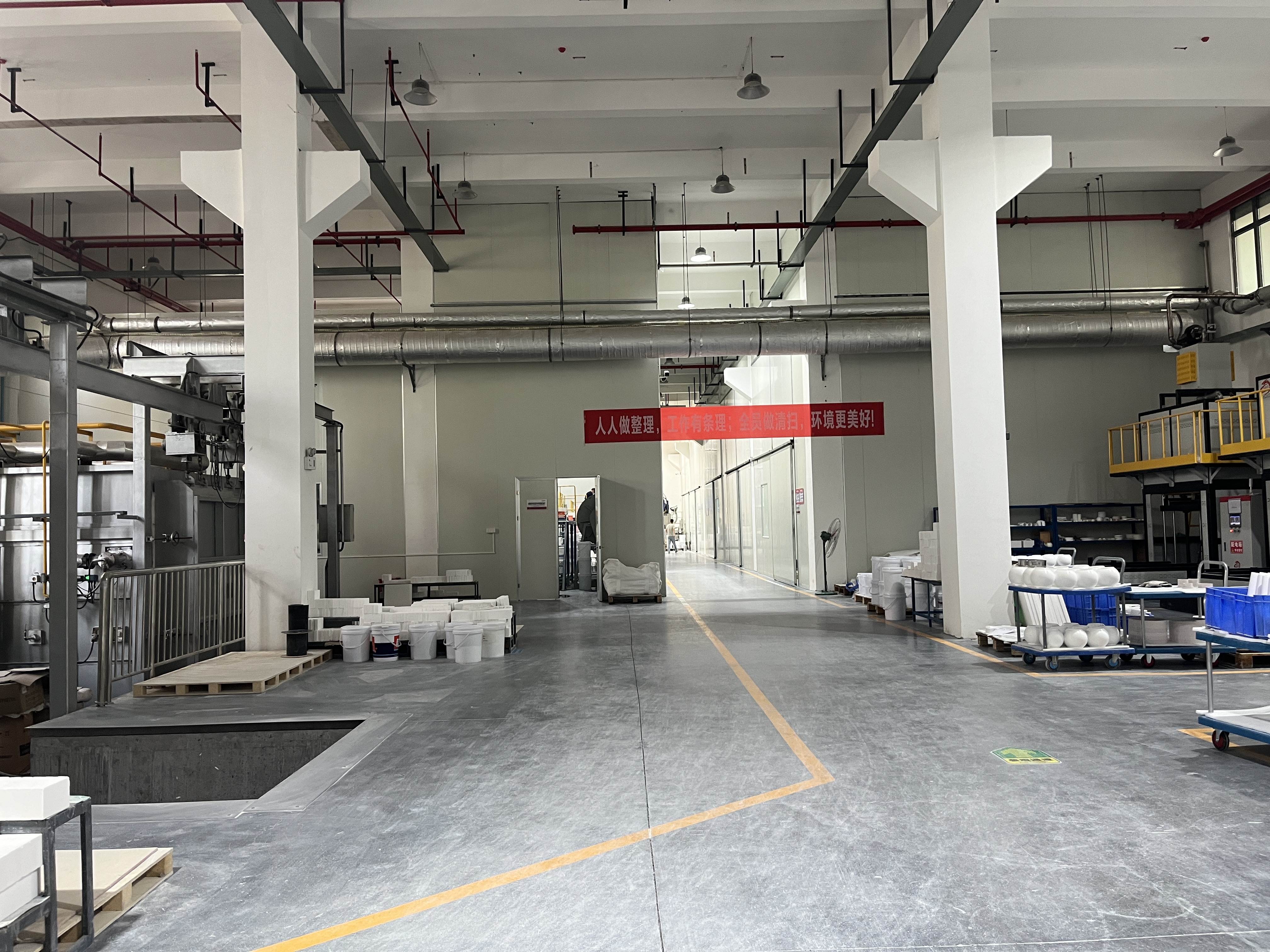
Figure 3: Controlled sintering environment ensures consistent density and strength in zirconia products
Material Comparison for Wear-Resistant Components
The table below compares zirconia ceramic products against common engineering materials used in wear-resistant components.
| Property |
Zirconia Ceramic |
Hardened Steel |
Alumina Ceramic |
Silicon Nitride |
| Hardness |
Very high |
Moderate to high |
Very high |
Very high |
| Fracture Toughness |
Excellent |
Excellent |
Moderate |
Excellent |
| Abrasion Resistance |
Excellent |
Moderate |
Good |
Excellent |
| Corrosion Resistance |
Excellent |
Limited |
Very good |
Excellent |
| Best Fit |
Severe wear + corrosion |
Impact loads, low corrosion |
Light wear, high temp |
High-speed, thermal shock |
For complementary media solutions, explore ultra-wear-resistant silicon nitride microbeads and zirconia vs silicon nitride beads.
Industrial Applications of Wear-Resistant Zirconia Products
Fluid Control and Sealing
Ceramic valve cores, seats, and seals resist erosion from abrasive slurries while maintaining leak-tight performance in pumps and valves.
Mechanical Drive Components
Bushings, shafts, and guides made from zirconia ceramic products reduce friction and extend service intervals in high-load machinery.
Wire and Cable Manufacturing
Wire-drawing rings, guides, and pulleys maintain surface finish under constant metal-to-ceramic contact at high speeds.
Battery and Chemical Processing
In the new-energy lithium battery and chemical industries, zirconia components resist both abrasive particles and reactive process fluids.
Smart Wearables and Precision Devices
Small, wear-resistant zirconia parts are used in smart wearables where scratch resistance, polish, and dimensional stability are essential.
Semiconductor and Electronics
Zirconia parts in semiconductor tooling benefit from low contamination, high hardness, and reliable thermal behavior.
Related reading: maximizing efficiency with precision ceramic mechanical parts, ceramic valve core technology, and ceramic valve cores for enhanced efficiency.
How to Select Zirconia Ceramic Products for Wear Resistance
- Define the wear mechanism — identify whether abrasion, adhesion, erosion, or corrosion dominates the failure mode.
- Match the zirconia grade — 3Y zirconia offers maximum toughness, while higher-yttria grades suit chemical and thermal stability needs.
- Check tolerance and surface finish — precision surfaces reduce friction and improve sealing; tight tolerances avoid point loads.
- Consider thermal environment — verify that thermal expansion, conductivity, and shock resistance match the operating temperature range.
- Verify manufacturing quality — homogeneous microstructure and consistent sintering density are critical for reliable wear life.
For detailed selection guidance, read zirconia ceramic components selection guide and how to select ceramic grinding media.
The Bottom Line
Zirconia ceramic products combine high hardness, strong fracture toughness, low wear rates, and excellent chemical stability. In abrasive slurries, corrosive fluids, and high-load mechanical systems, they consistently outlast metals and outperform more brittle ceramics. Whether the need is a valve core, seal, bushing, shaft, or custom wear part, zirconia provides a reliable path to longer service life and lower total maintenance.
If your current metal or ceramic components are wearing too fast, a switch to engineered zirconia ceramic products can reduce downtime, protect product quality, and cut replacement costs.
Upgrade Wear Resistance with CRAC Zirconia Ceramic Products
CRAC supplies zirconia ceramic products and precision wear-resistant components for valves, seals, bushings, shafts, wire-drawing, and custom industrial applications.