Battery performance begins at the particle level. For NMC, LFP and silicon-anode chemistries, the grinding and dispersion stage determines particle size distribution (PSD), slurry viscosity and ultimately cell energy density. Zirconia beads have become the industry-standard grinding media for battery material processing because they combine high density, extreme hardness and near-zero contamination — three properties that directly translate into higher throughput and better battery quality.
This article explains the grinding mechanisms behind zirconia beads, how they improve efficiency in cathode and anode processing, and how to select the right bead size and grade for your battery material production line.
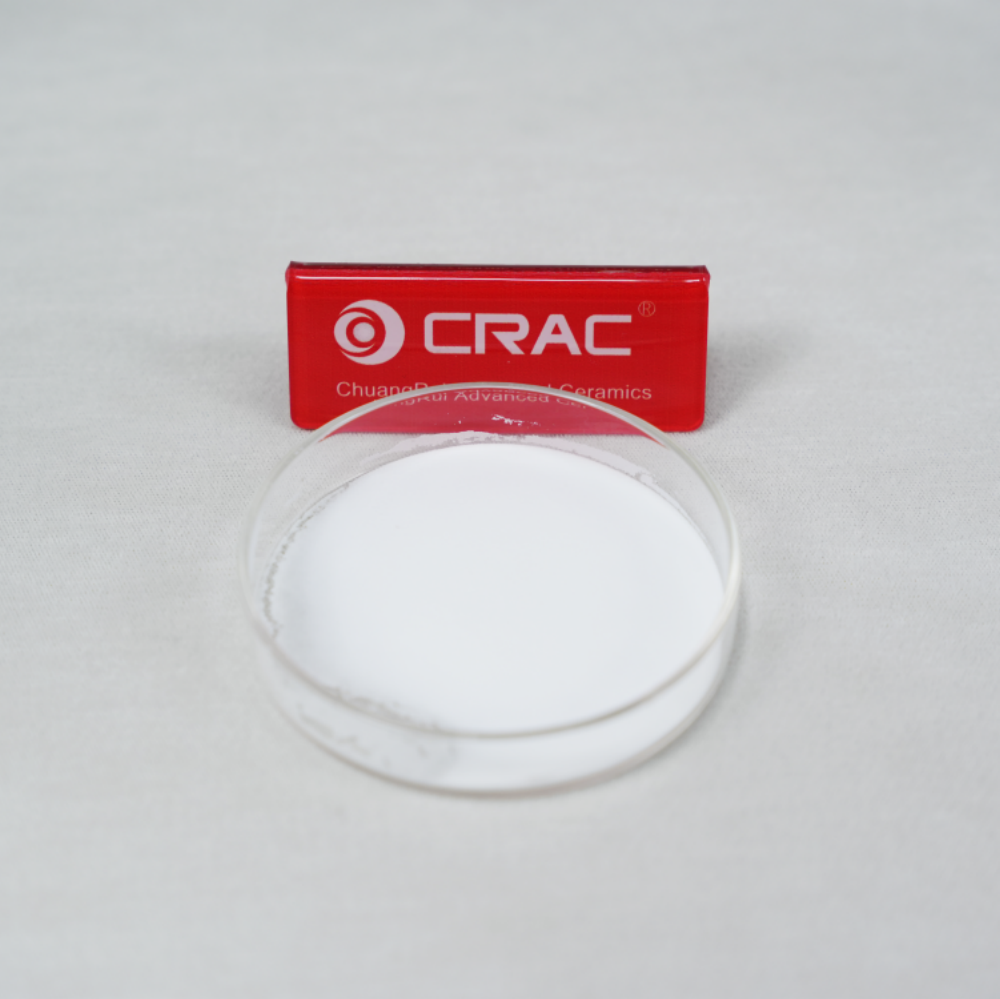
Figure 1: High-purity zirconia beads engineered for battery material milling
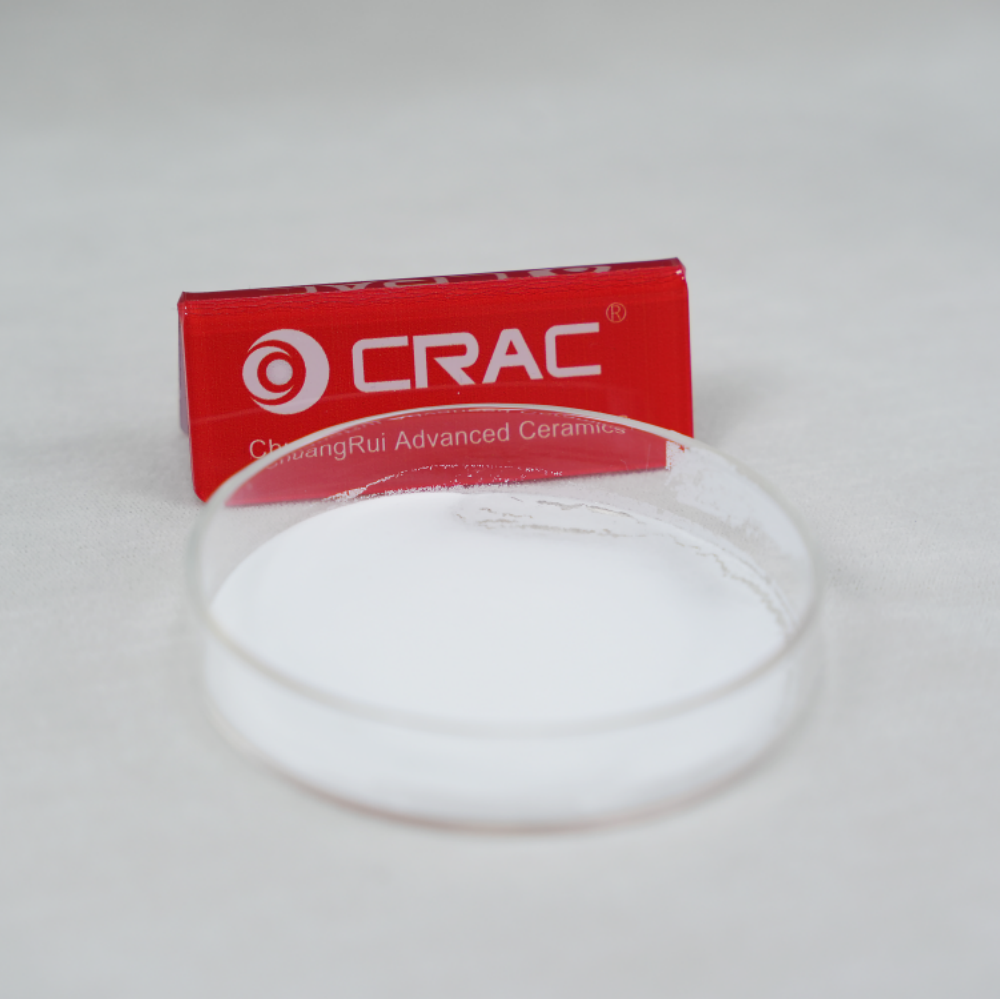
Figure 2: Consistent sphericity and narrow size distribution for uniform grinding energy
Four Mechanisms That Drive Grinding Efficiency
1
High-Density Impact Energy
At 6.0 g/cm³, yttria-stabilized zirconia delivers strong impact force per collision, fracturing hard agglomerates quickly in high-energy bead mills.
2
Micro-Shear & Attrition
The dense bead bed creates intense shear zones between beads, tearing apart particle aggregates for uniform, fine dispersion.
3
High Wear Resistance
HV 1,200+ hardness and dense microstructure keep bead wear minimal, preserving bead size and grinding performance over long campaigns.
4
Chemical Inertness
No iron or chromium release into the slurry — critical for battery-grade purity and long cycle life of the final cell.
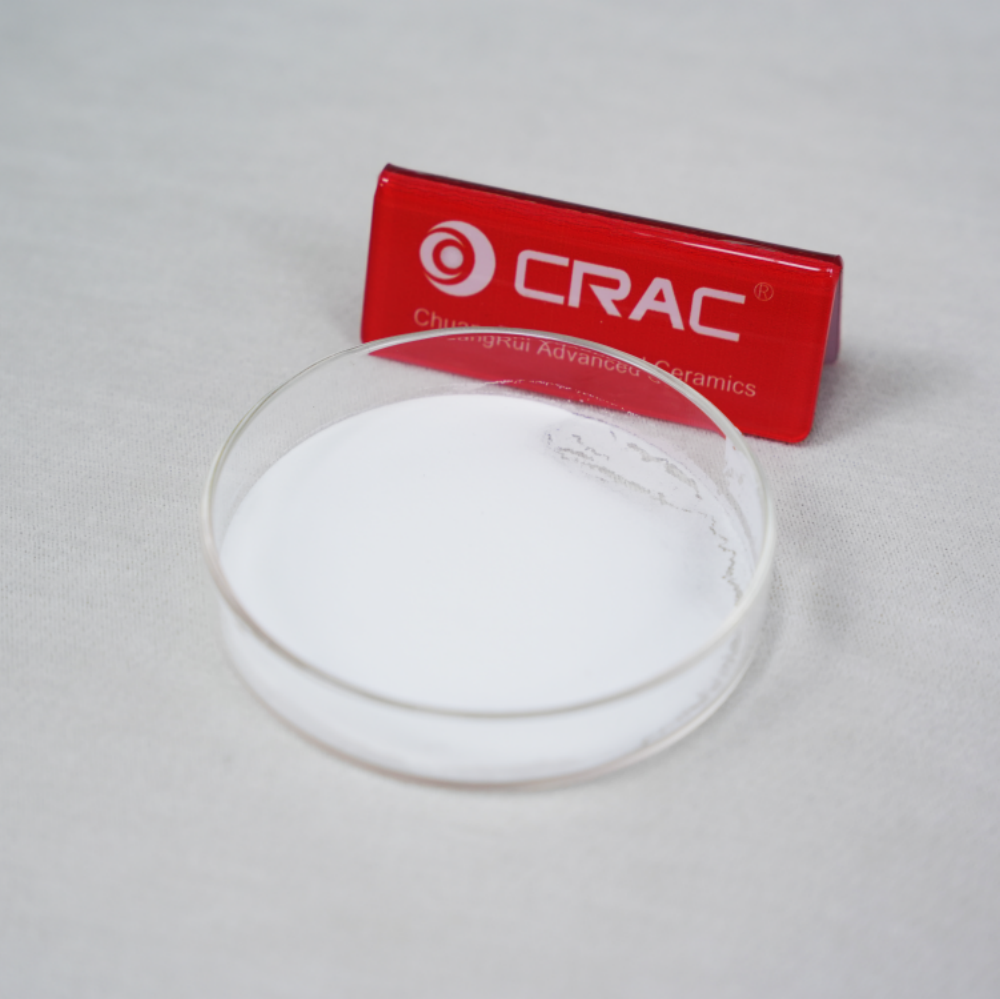
Figure 3: Batch-controlled zirconia beads — consistent quality for reproducible battery slurry
Why Grinding Media Choice Matters in Battery Production
Lithium-ion battery manufacturing is one of the most quality-sensitive processes in modern industry. In the slurry preparation stage — where cathode materials like NMC (LiNiMnCoO2) or LFP (LiFePO4) are milled and dispersed in NMP or water — three metrics determine downstream cell quality:
2. Metal Contamination
Iron, chromium or nickel ions above single-digit ppm can trigger internal short circuits, self-discharge and capacity fade. Zero-contamination media is non-negotiable for lithium battery material processing.
3. Throughput & Energy Cost
Faster grinding to target D50 means higher line throughput and lower kWh per kilogram of active material — a direct competitiveness factor at GWh scale.
Mechanism 1 — High Density Maximizes Impact Energy per Collision
In a horizontal or vertical bead mill, grinding energy is transferred through bead-to-bead and bead-to-particle collisions. The kinetic energy of each collision scales with bead mass, which is proportional to density. Yttria-stabilized zirconia (YSZ) beads at 6.0 g/cm³ deliver roughly 60% more impact energy per collision than alumina beads (3.7 g/cm³) — and about 2.4× that of glass media. For hard, brittle battery materials, this extra energy breaks particles faster, reducing milling time per batch.
Grinding Media Density Comparison (g/cm³)
In practice, battery producers switching from alumina to zirconia media routinely report 30–50% shorter milling cycles to reach the same D50, alongside a step-change in achievable fineness. See how media choice affects slurry purity in our guide to boosting efficiency and purity in battery material milling.
Mechanism 2 — Bead Size Determines the Grinding Limit
Smaller beads create more contact points per unit volume and finer shear zones, which is why nano zirconia beads are used for sub-micron battery material grinding. A simple rule of thumb: the target D50 should be roughly 1/1,000 of the bead diameter. The table below maps common battery material targets to recommended bead sizes:
| Battery Material |
Target D50 |
Recommended Bead Size |
Typical Mill Type |
| NMC / NCA cathode |
300–800 nm |
0.3–0.8 mm |
Horizontal bead mill |
| LFP cathode |
200–500 nm |
0.2–0.5 mm |
Horizontal bead mill |
| Silicon anode / Si-C |
100–300 nm |
0.1–0.3 mm |
High-energy nano mill |
| Conductive carbon / CNT |
50–200 nm |
0.05–0.2 mm |
Nano dispersion mill |
| Solid-state electrolyte |
sub-500 nm |
0.1–0.5 mm |
Planetary / bead mill |
Mechanism 3 — Low Wear Protects Battery-Grade Purity
Every gram of media worn away becomes contamination in the slurry. The dense, fine-grained microstructure of premium zirconia beads keeps wear rates exceptionally low:
| Media Type |
Wear Rate (g/kg·h) |
Relative Contamination |
Battery-Grade Fit |
| YSZ Zirconia Beads |
0.005–0.02 |
Very low |
Recommended |
| Si3N4 Beads |
≤ 0.002 |
Ultra low |
Recommended (high-end) |
| Al2O3 Beads |
0.02–0.10 |
Moderate |
Caution |
| Steel / Glass Beads |
0.1–2.0 |
High |
Not suitable |
For battery producers, the practical consequence is twofold: longer media life (fewer changeovers and less downtime) and cleaner slurry. Learn more about zero-pollution grinding media strategies for contamination control.
Measured Efficiency Gains in Battery Material Milling
⚡
30–50% Shorter Milling Time
Reported cycle-time reduction vs. alumina media when targeting the same D50 for cathode slurries.
📉
Sub-200 nm D50 Achievable
With 0.1–0.3 mm nano zirconia beads, silicon and LFP materials reach the fineness required for next-gen cells.
🔋
Lower PPM Contamination
High-purity zirconia beads keep Fe/Cr/Ni content in slurry at levels compatible with cell longevity targets.
The same principle applies beyond the mill chamber — ceramic dispersion discs in lithium battery slurry processing work in tandem with the media to maintain stable energy input across the entire milling process.
Selecting the Right Zirconia Beads for Your Line
🔬 Nano Grinding (D50 < 300 nm)
- ZR95 Nano beads — 0.05–0.3 mm
- Silicon anode, LFP ultrafine, conductive carbon
- High energy input with fine shear zones
🏭 High-Purity Production
- ZR95 High Purity beads — 0.2–1.0 mm
- NMC/NCA cathode at scale, minimal Zr leach
- Extended service life in continuous operation
For a deeper comparison between media types — including where silicon nitride microbeads fit when absolute purity is the priority — see Zirconia vs Silicon Nitride Beads: 2025 Selection Guide and our Zirconia vs Alumina comparison.
5-Point Checklist Before You Switch
- Confirm target D50 and PSD width — this drives bead size selection (≈1/1,000 rule).
- Check mill energy density — high-energy mills benefit most from dense YSZ media.
- Verify purity requirements — battery-grade slurries need YSZ or Si3N4, never steel or glass.
- Test bead filling ratio — typical 70–85% of mill volume for optimal energy transfer.
- Measure media wear in trial runs — track weight loss and slurry PPM after each campaign to validate ROI.
Follow the full methodology in The Role of Ceramic Grinding Beads in Battery Material Processing and the complete YSZ bead guide for reference values and process tuning tips.
The Bottom Line
Zirconia beads improve grinding efficiency in battery material processing through four interlocking mechanisms: high-density impact energy, fine shear zones enabled by small bead sizes, extreme wear resistance that protects purity, and chemical inertness that safeguards cell performance. Together, they shorten milling cycles, narrow particle size distribution and eliminate contamination risk — the three factors that most directly determine battery quality at scale.
As new-energy material processing pushes toward finer particles and stricter purity, zirconia media will remain at the core of the slurry preparation process. Choosing the right grade, size and filling strategy — and validating them with real trial data — is the fastest path to a more efficient, higher-yield battery production line.
Optimize Your Battery Material Grinding Line
From nano zirconia beads for ultrafine anode materials to high-purity grades for cathode production at scale — CRAC provides bead size and grade selection backed by 28 years of grinding media expertise.