Selecting the right ceramic grinding media is the single most impactful decision in bead mill operation. The media you choose directly determines grinding efficiency, final particle size distribution, contamination risk, and — ultimately — your total cost of ownership. Below is a quick-reference comparison of the three core ceramic media types used in modern industrial milling.
1
YSZ Zirconia
Best all-rounder
Density: 6.0 g/cm³
Hardness: 1,200 HV
Best for: Battery, pharma, nano-grinding
Mid-Range
2
Si₃N₄ Silicon Nitride
Ultra-hard & pure
Density: 3.2 g/cm³
Hardness: 1,500 HV
Best for: Semiconductor, MLCC, research
Premium
3
Al₂O₃ Alumina
Cost-effective workhorse
Density: 3.6 g/cm³
Hardness: 1,000 HV
Best for: Minerals, pigments, general milling
Economical
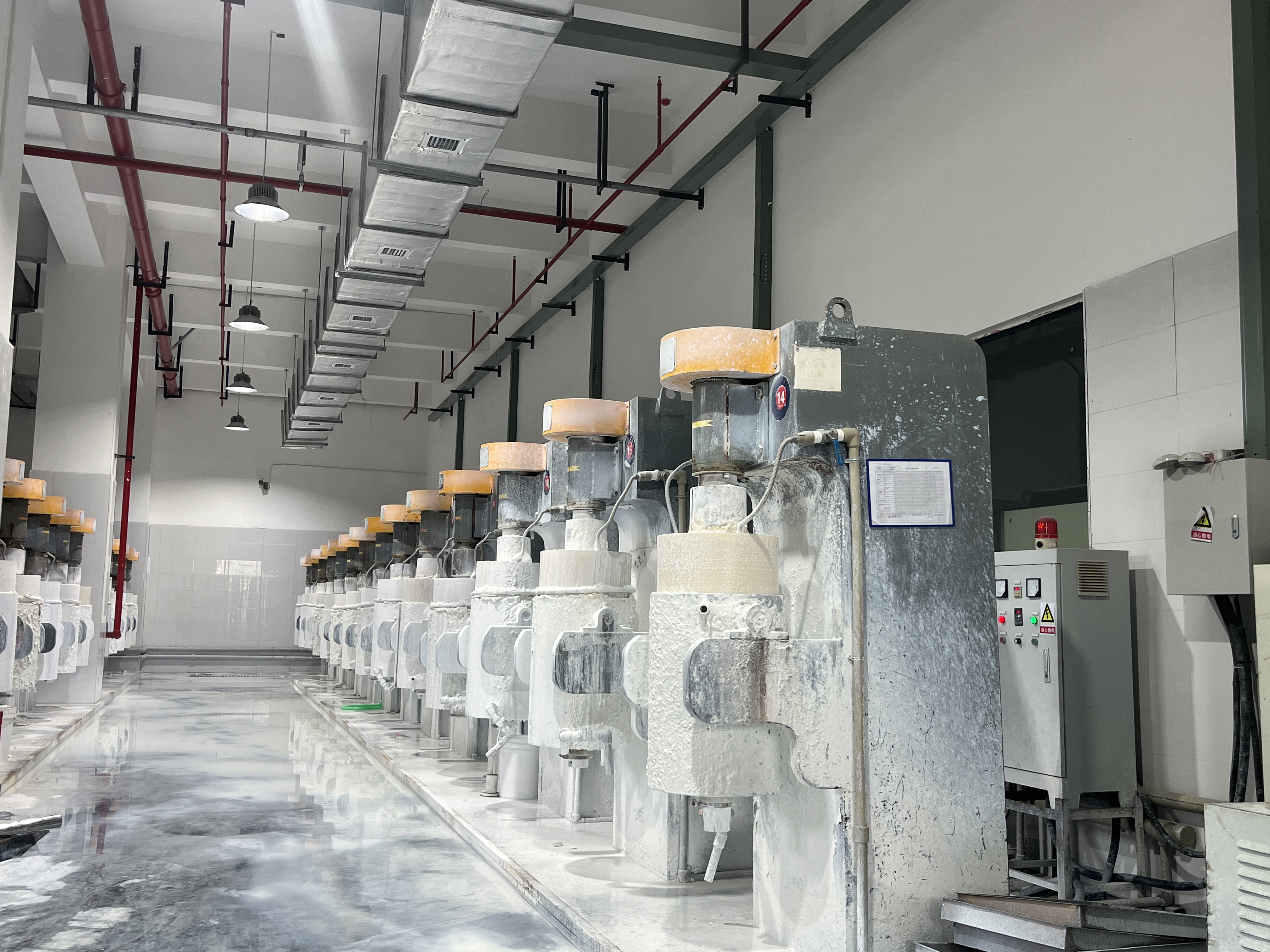
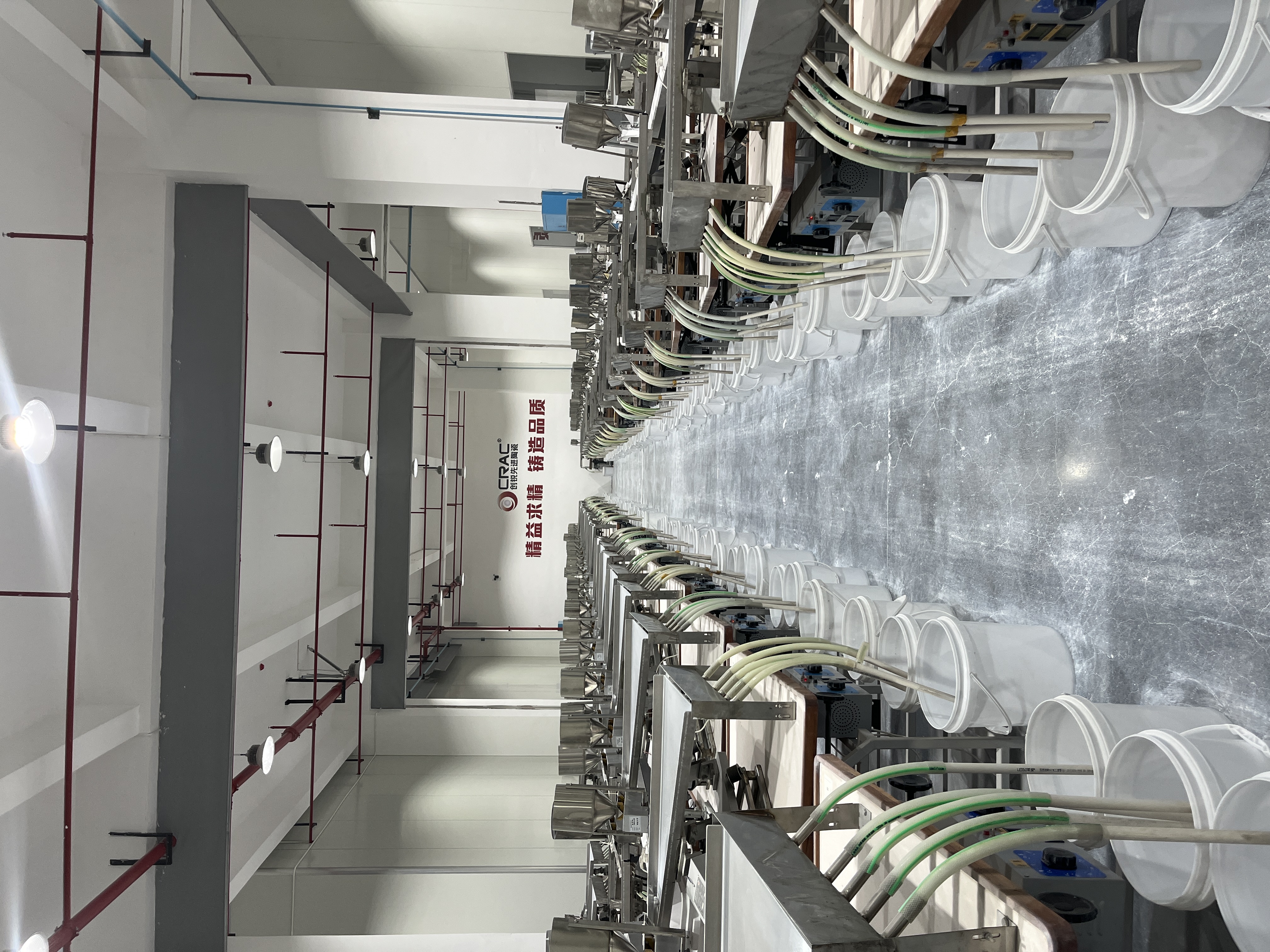
Figure 1: Precision microbead polishing workshop — ensures uniform sphericity and surface finish
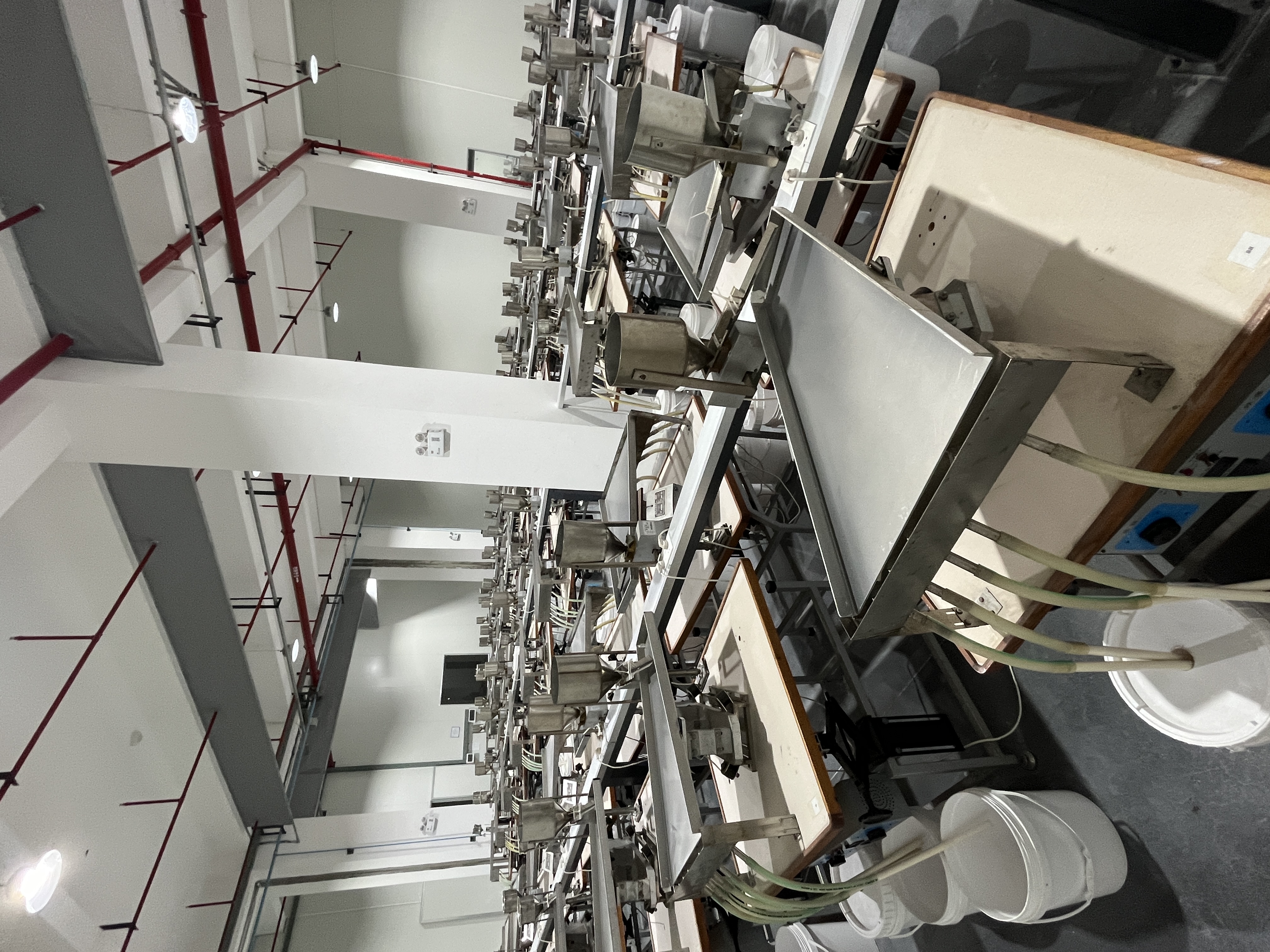
Figure 2: Finished bead sorting and quality inspection — strict PSD control
Type 1 — YSZ (Yttria-Stabilized Zirconia): The Industry Standard
Yttria-stabilized zirconia (YSZ) beads are the most widely used ceramic grinding media across industries — and for good reason. With a density of 6.0 g/cm³, they deliver roughly 2.4× the impact energy of glass beads and 1.7× that of alumina at the same rotor speed. This high density translates directly into shorter grinding cycles, finer particle sizes, and higher throughput.
YSZ beads combine three attributes that no other single media type matches simultaneously:
✅ High Density
6.0 g/cm³ generates strong impact force for rapid particle size reduction, ideal for target D50 < 200 nm
✅ Excellent Wear Resistance
Wear rate as low as < 30 ppm/hr in mild conditions; 500× lower than glass beads
💡 Quick Win: Replacing glass beads with YSZ zirconia in a standard bead mill typically reduces grinding time by 30–50% while improving particle size distribution uniformity. Most users see ROI within 3–6 months from throughput gains alone.
Type 2 — Si₃N₄ (Silicon Nitride): Maximum Hardness for Ultra-Fine & High-Purity
Silicon nitride beads sit at the apex of ceramic grinding media performance. With a Vickers hardness of ~1,500 HV — approximately 25% harder than YSZ — they are the go-to choice when ultra-fine particle sizes (D50 < 100 nm) and absolute purity are non-negotiable. Their lower density (3.2 g/cm³) also means reduced mill motor loading and less heat generation during extended runs.
📎 Highest Hardness
~1,500 HV — the hardest ceramic grinding media available. Superior for breaking down hard, abrasive feed materials
🛡️ Ultra-Low Wear
Wear rate < 5 ppm/hr in aqueous environments. Outlasts YSZ by 3–5× in hard-material grinding
⚠️ Pro Tip: Si₃N₄ beads excel in low-viscosity, aqueous environments. For high-viscosity pastes or high-energy mills where impact force matters more than hardness, YSZ remains the better choice. Si₃N₄ also costs 4–6× more than YSZ — reserve it for applications where purity and ultra-fineness justify the premium.
Type 3 — Al₂O₃ (Alumina): The Cost-Effective Workhorse
Alumina beads are the most economical ceramic grinding media option. With a density of 3.6 g/cm³ and hardness of ~1,000 HV, they offer a meaningful upgrade over glass beads at a fraction of the cost of zirconia or silicon nitride. They are the right choice when budgets are tight, contamination tolerance is moderate, and target particle sizes are above 1 μm.
💰 Lowest Ceramic Media Cost
Typically 60–80% cheaper than YSZ per kg. But check TCO carefully before deciding on price alone
⚙️ Moderate Wear Resistance
Wear rate ~50–200 ppm/hr — adequate for minerals, pigments, and non-critical applications
🏭 Broad Applicability
Widely used in minerals, coatings, non-critical milling, and where slight Al contamination is acceptable
Figure 3: Green body bead inspection — each batch is screened for sphericity and dimensional uniformity before sintering
5 Key Factors for Selecting Ceramic Grinding Media
Choosing ceramic grinding media is not about picking the "best" material — it's about matching media properties to your specific process. These five factors form the decision framework:
1
Target Particle Size (D50)
The finer your target, the higher the media hardness you need. Rule of thumb:
- D50 > 5 μm → Alumina or YSZ at larger diameters (≥ 0.5 mm)
- D50 1–5 μm → YSZ at 0.3–0.5 mm
- D50 100 nm – 1 μm → YSZ at 0.1–0.3 mm or nano zirconia beads
- D50 < 100 nm → Si₃N₄ at 0.05–0.1 mm for maximum grinding efficiency
2
Bead Diameter & Size Distribution
Bead diameter is proportional to the energy each impact delivers, but inversely proportional to the number of contact points. Narrower PSD = more consistent grinding.
- Larger beads (≥ 0.5 mm): Higher impact energy, faster de-agglomeration — best for coarse feeds
- Smaller beads (≤ 0.1 mm): More contact points, finer grinding — but lower per-impact energy
- Match bead size to your target D50: bead diameter ≈ 500–1,000× target D50
3
Density & Impact Energy
Kinetic energy scales with density. Higher density = stronger impact per collision = faster particle breakage. But there's a trade-off:
Zirconia (YSZ) 6.0 g/cm³
Alumina 3.6 g/cm³
Si₃N₄ 3.2 g/cm³
Glass 2.5 g/cm³
4
Chemical Compatibility & Contamination Sensitivity
Not every ceramic is inert in every environment. Match the media to your slurry chemistry:
⚗️
YSZ
pH 2–14 stable
No ion leaching
Safe for battery, pharma
🧪
Si₃N₄
pH 2–10 stable
Zero metal ions
Semiconductor approved
⚠️
Al₂O₃
pH 4–10 stable
Slight Al leaching possible
Avoid strong acids/bases
5
Total Cost of Ownership (TCO) Analysis
Price per kilogram is deceptive. The real cost equation factors in:
📦
Media Consumption
Wear rate × production volume
✂️
Downtime
Media change frequency & labor
❌
Product Loss
Off-spec batches from contamination
⚡
Energy
Grinding time × motor kW
Typical outcome: YSZ zirconia beads reduce total grinding cost by 40–60% compared to glass beads despite being 10× the purchase price, because wear-related variables dominate the TCO equation. For a detailed economic breakdown, factor in all five cost dimensions.
Application Recommendation Matrix
The table below maps eight common industrial applications to their recommended ceramic grinding media, target bead sizes, and key considerations:
| Industry / Application |
Recommended Media |
Bead Size |
Key Consideration |
| 🔋 Li-Ion Battery |
YSZ |
0.1–0.3 mm |
Zero metal contamination critical; electrochemical performance at stake |
| 💊 Pharmaceutical |
YSZ |
0.1–0.3 mm |
GMP compliance; chemical inertness; traceable lot certification |
| 🎨 Pigments & Inks |
YSZ |
0.3–0.5 mm |
Color consistency; high-density for viscosity |
| 📱 Semiconductor CMP |
Si₃N₄ |
0.05–0.1 mm |
Parts-per-trillion purity; zero metal ion leaching |
| ⛰️ Minerals & Mining |
YSZ or Al₂O₃ |
0.5–2.0 mm |
Cost-sensitive; larger beads for coarse grinding; Al₂O₃ if contamination acceptable |
| 🧪 MLCC Dielectrics |
Si₃N₄ or YSZ |
0.05–0.2 mm |
Ultra-fine D50 requirement; dielectric purity |
| ⚗️ Chemical Processing |
YSZ |
0.3–0.8 mm |
Corrosion resistance across pH range; long media life |
| 🧴 Coatings & Paper |
Al₂O₃ |
0.5–1.0 mm |
Volume-driven production; moderate particle size requirement |
Hardness Comparison — Visual Ranking
Hardness determines wear resistance and the ability to grind hard feed materials. Here's how the three core ceramic media types stack up:
5 Common Selection Mistakes to Avoid
✗ Mistake 1: Choosing by price per kg alone. Low-cost media that wears 10× faster costs far more in downtime, product loss, and energy. Always run a full TCO calculation before deciding.
✗ Mistake 2: Overlooking contamination risk. Alumina beads can leach Al ions into acidic slurries; glass beads introduce SiO₂ and Na. For pharma, battery, or semiconductor applications, YSZ or Si₃N₄ is mandatory.
✗ Mistake 3: Using the wrong bead diameter. Beads too large for your target D50 produce inefficient grinding with wide PSD. Beads too small lack the impact energy to break particles. Match bead diameter to roughly 500–1,000× your target D50.
✗ Mistake 4: Ignoring bead size distribution (PSD). Wide PSD means inconsistent grinding and unpredictable wear. Narrow, controlled PSD delivers uniform results batch after batch.
✗ Mistake 5: Skipping trial validation. Lab data doesn't always scale to production. Run a pilot batch with your actual slurry at intended fill levels before committing to a full media charge.
6-Step Selection Protocol
Follow this systematic approach to select the optimal ceramic grinding media for your specific process:
1
Define your target D50. Be precise — the gap between 100 nm and 200 nm determines whether you need nano YSZ or Si₃N₄.
2
Assess contamination sensitivity. Does your product tolerate ppb-level metal ions? If not, shortlist YSZ or Si₃N₄ immediately.
3
Calculate required bead diameter. Use the formula: bead diameter (μm) ≈ target D50 (μm) × 500–1,000.
4
Run a 72-hour wear test. Use your actual slurry, mill, and operating parameters. Measure ppm/hr wear rate and D50 progression every 8 hours.
5
Run a full TCO model. Input your measured wear rate, media price, labor cost, downtime cost, and energy cost. Compare 3 media options side by side.
6
Scale up with a 30-day production trial. Before committing to bulk purchase, validate at production scale. Monitor PSD stability, bead wear, and product quality daily.
💡 Golden Rule: The bead hardness should never exceed the hardness of your mill's chamber liner and rotor. Running Si₃N₄ beads in a standard stainless steel mill will destroy the mill. Match bead material to compatible mill components.
Making the Final Decision
The right ceramic grinding media is the one that balances your process requirements — not the one with the highest specs or lowest price tag. For 80% of industrial milling applications, YSZ zirconia beads provide the optimal balance of performance, lifetime, and cost. Reserve Si₃N₄ for the 15% of applications demanding absolute purity and sub-100-nm targets, and Al₂O₃ for the 5% where budget constraints override all other factors.
Beyond media selection, remember that grinding efficiency is a system property — not just a media property. Optimal results require the right combination of bead size, fill level, rotor speed, slurry viscosity, and equipment maintenance practices.
Not Sure Which Grinding Media to Choose?
CRAC's application engineers can analyze your specific slurry, target D50, and mill parameters to recommend the optimal ceramic grinding media — including free wear-test samples for qualification.