Selecting the right advanced ceramics factory is one of the most consequential decisions for engineers and procurement teams sourcing custom industrial components. The quality, precision, and reliability of ceramic parts depend almost entirely on the manufacturing partner you choose. Whether you need zirconia ceramic structural parts, wear-resistant pump components, or complex injection-molded geometries, the factory's capabilities directly determine your product's performance in the field. This guide walks through the key evaluation criteria — from certifications and process technologies to material science depth and quality control — so you can make an informed, confident decision.
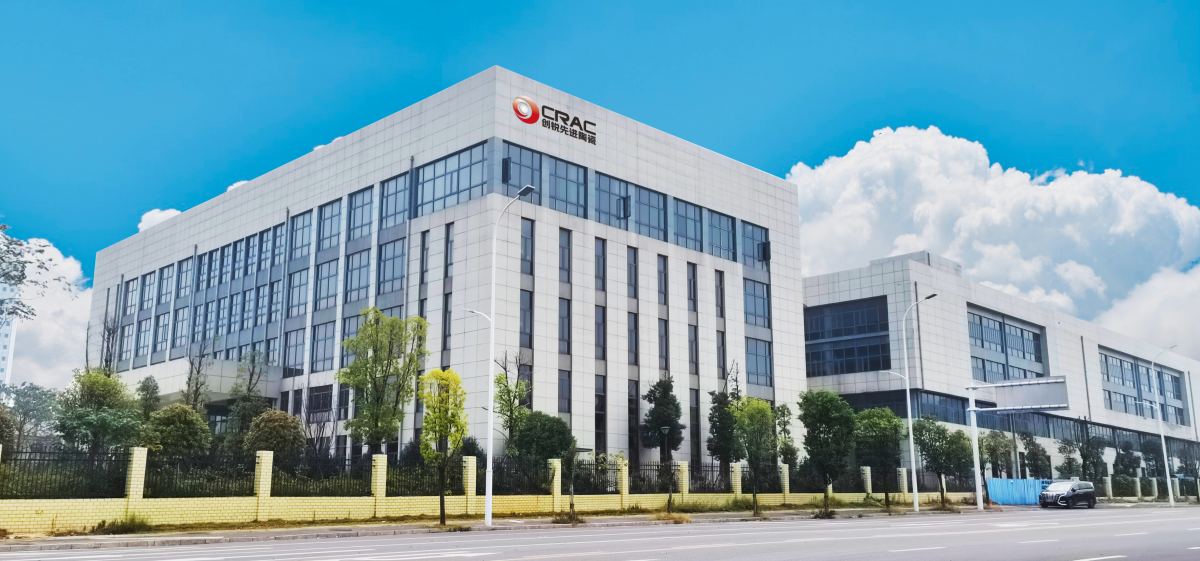
Figure 1: A modern advanced ceramics factory — manufacturing environment, equipment, and layout are the first indicators of production capability.
1. Manufacturing Technology Arsenal: What Equipment Should an Advanced Ceramics Factory Have?
The production floor tells you more in ten minutes than a brochure in ten hours. A genuinely advanced ceramics factory operates a complete chain of specialized equipment — not outsourced fragments. As detailed in our look at the key technologies behind precision ceramic manufacturing, the factory should demonstrate in-house control over every critical process stage.
Forming Technologies
Look for multiple forming methods under one roof. Ceramic injection molding (CIM) is essential for complex, high-volume parts with micron-level tolerances — think medical device components, watch parts, and fiber optic ferrules. Dry pressing and isostatic pressing suit simpler shapes at high throughput. The factory should explain why they recommend a specific forming method for your part geometry, not just what they can do.
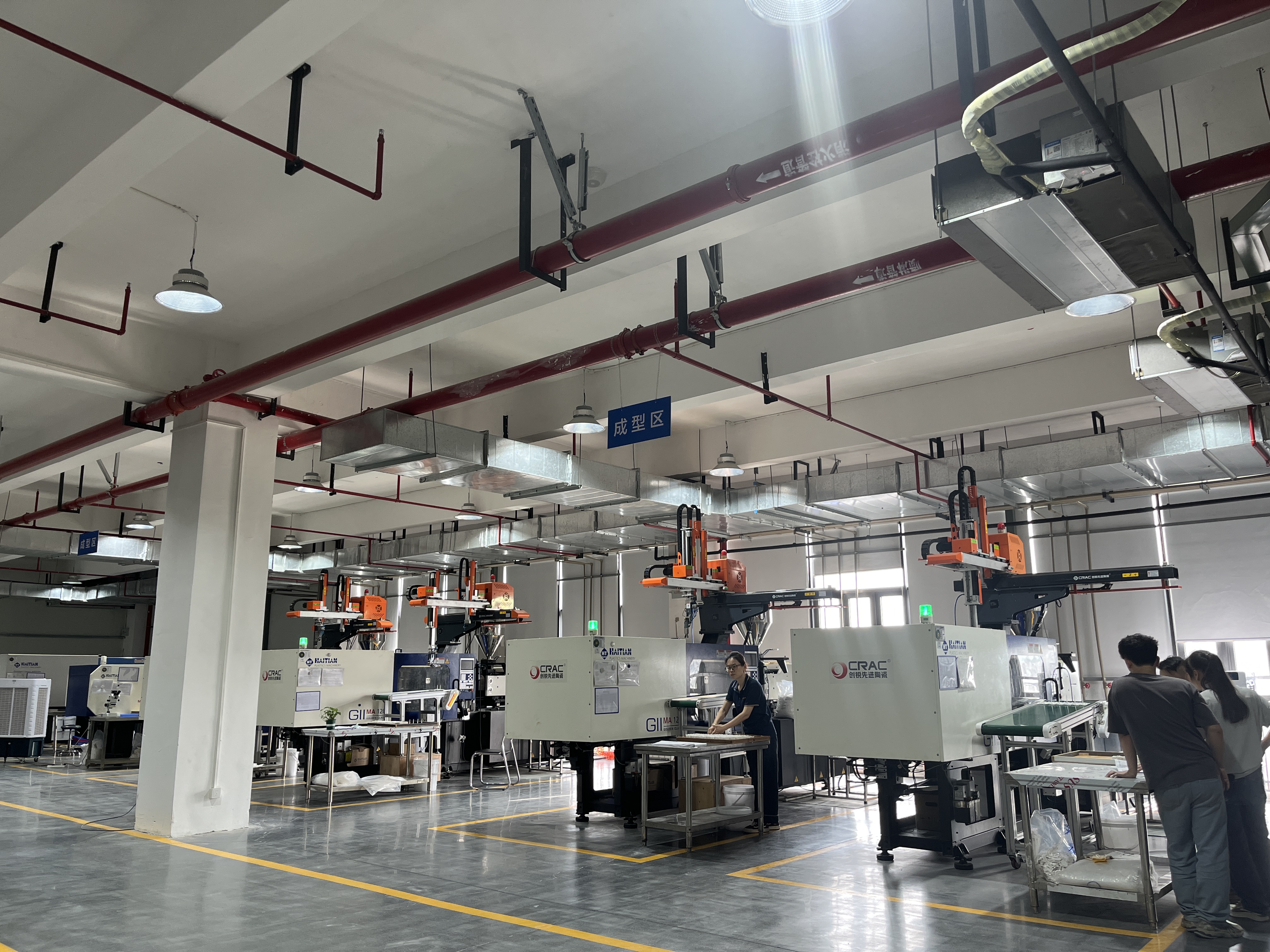
Figure 2: Precision ceramic injection molding (CIM) workshop — essential for complex, high-volume ceramic components.
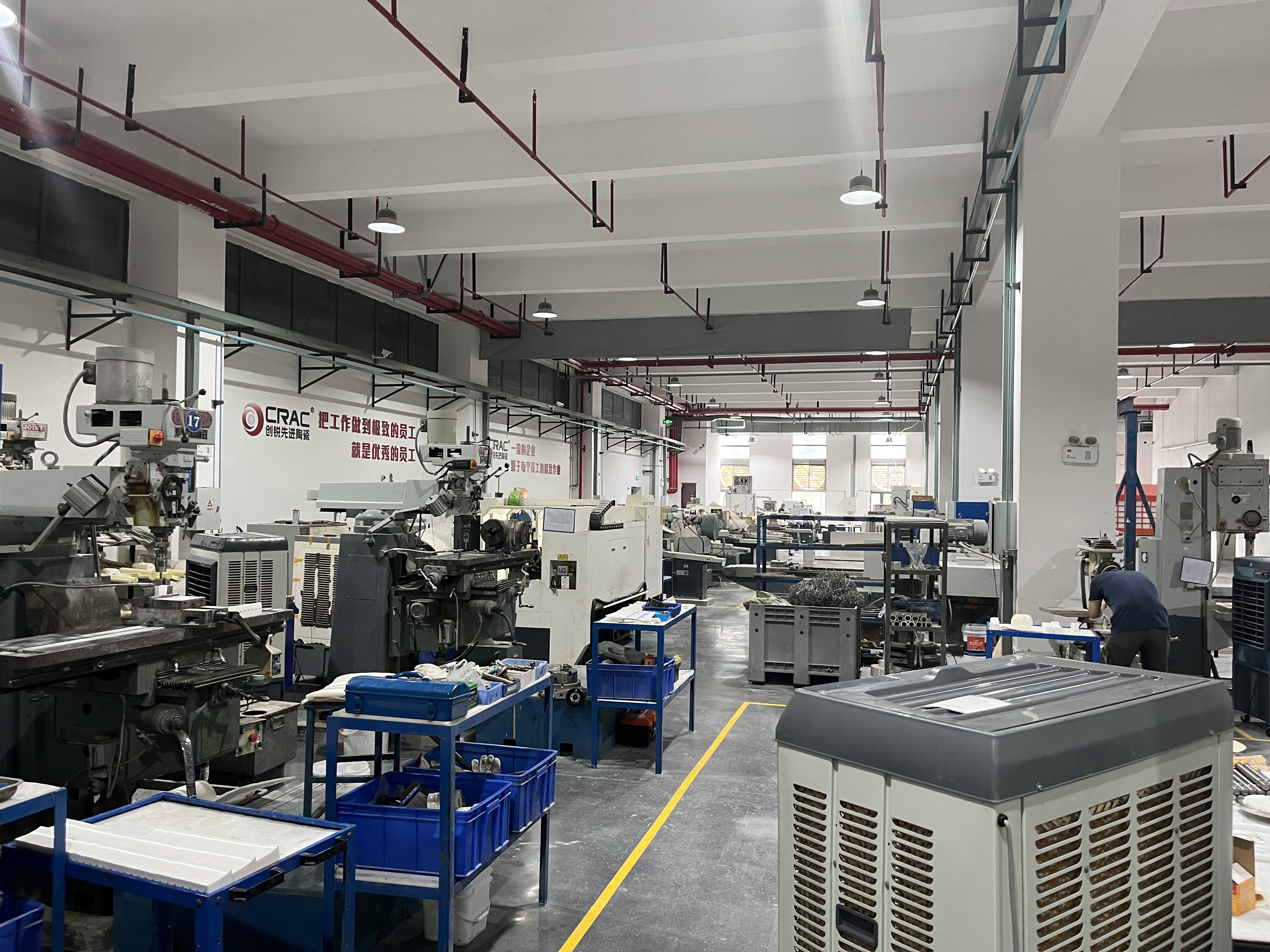
Figure 3: Precision machining workshop for ceramic components — post-sintering dimensional accuracy depends on this step.
Thermal Processing: Sintering and Firing
Sintering transforms shaped ceramic powder into dense, high-strength components. The factory should maintain multiple furnace types — box furnaces, pusher-plate kilns, and gas-electric hybrid kilns — each optimized for specific material systems and batch sizes. Ask about their sintering temperature range (should reach at least 1,600 °C for high-performance zirconia and alumina), atmosphere control capabilities (air, nitrogen, vacuum), and whether they track thermal profiles digitally for every batch. Poor sintering control is the single largest cause of hidden defects in precision ceramic mechanical parts.
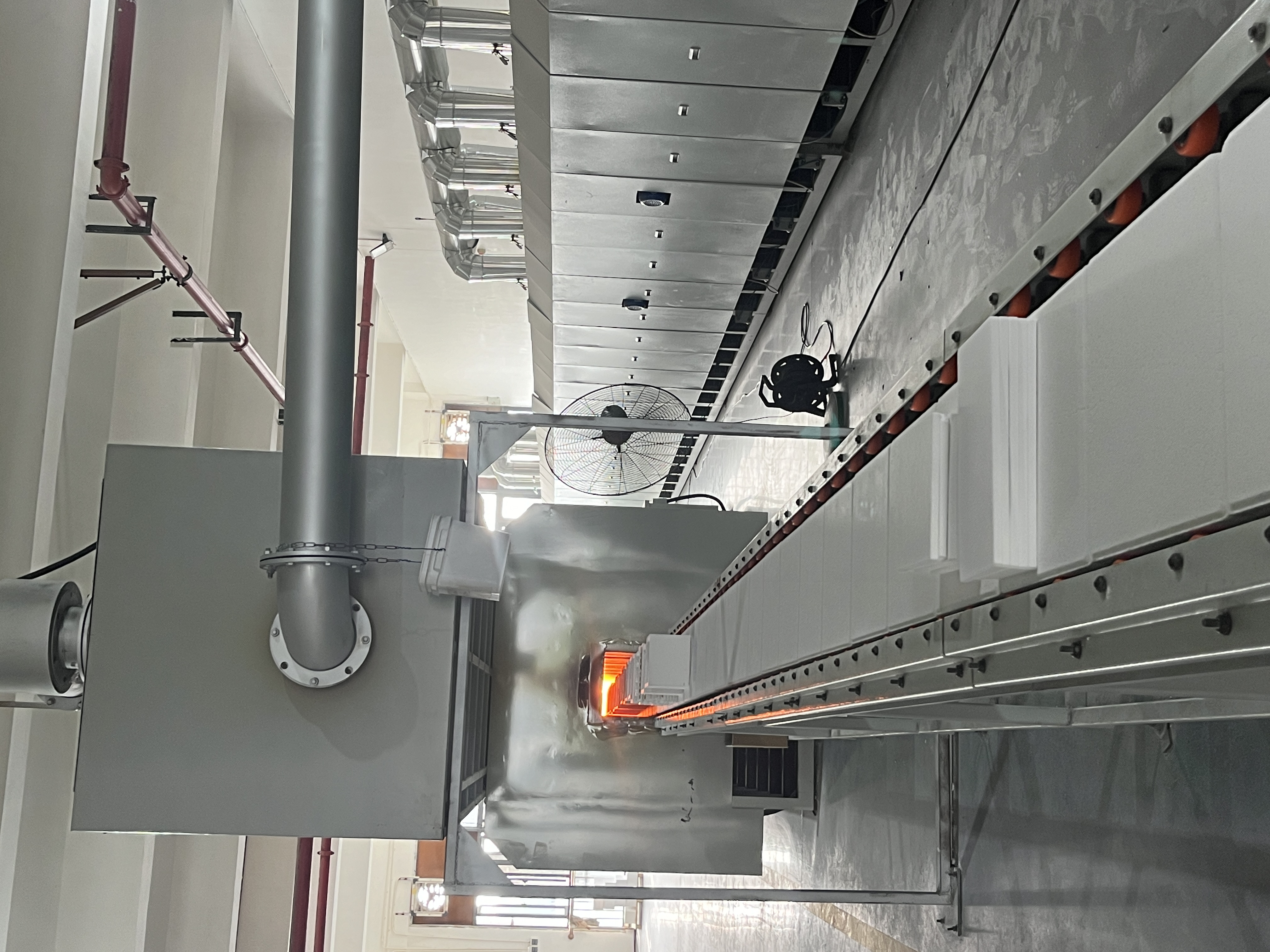
Figure 4: High-temperature sintering furnace — precise thermal control determines final ceramic density and mechanical properties.
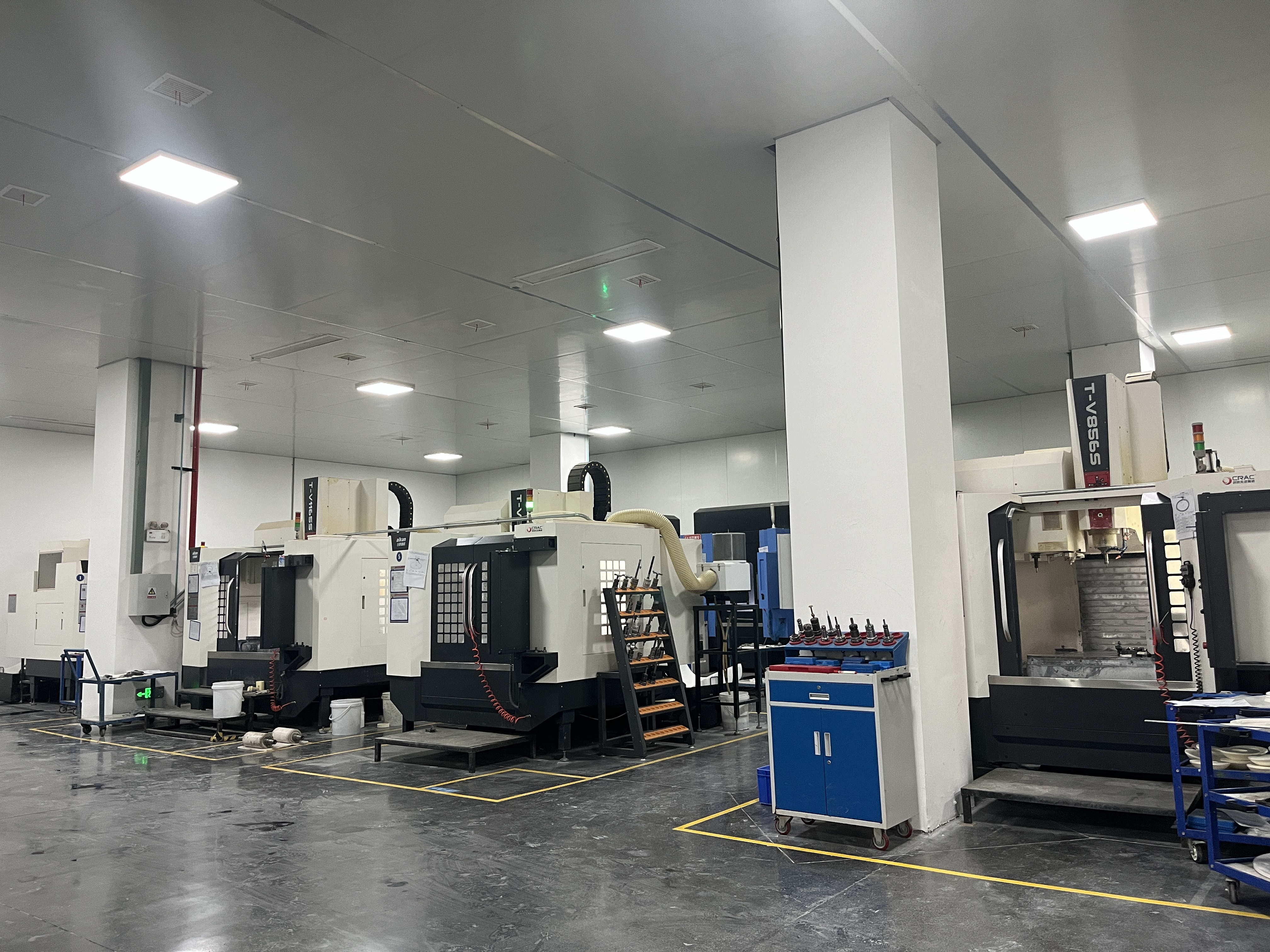
Figure 5: CNC machining center for post-sintering ceramic finishing — achieving micron-level dimensional tolerances.
Post-Processing and Finishing
Green machining (pre-sintering) and hard machining (post-sintering) are complementary capabilities. CNC grinding, lapping, and polishing stations should be visible on the factory floor. For precision ceramic parts destined for semiconductor or optical applications, surface finish specifications below Ra 0.05 μm are non-negotiable — verify that the factory has the metrology equipment (profilometers, CMM, optical comparators) to measure what they claim to achieve.
2. Quality Certifications and Regulatory Compliance
Certifications are the baseline — they tell you the factory has institutionalized quality, not just a few skilled operators. An advanced ceramics factory serving international markets should hold ISO 9001:2015 at minimum. If your components target medical devices, ISO 13485 is essential. For automotive supply chains, IATF 16949 signals readiness for high-volume, zero-defect production.
Beyond the certificate on the wall, ask these pointed questions:
- When was the last third-party audit? — Certifications expire; active surveillance audits matter more than the initial certificate date.
- Can they share a redacted CAPA (Corrective and Preventive Action) report? — How a factory handles failures reveals more than how they handle successes.
- Do they hold material-specific certifications? — For example, RoHS and REACH compliance for electronic components, or USP Class VI for medical-grade ceramics.
- What environmental and safety standards do they follow? — ISO 14001 (environmental) and ISO 45001 (occupational health) indicate mature operational discipline.
Certifications are necessary but not sufficient. The real test is whether the factory's quality culture extends from the raw material receiving dock to the final shipping inspection — a theme explored in our discussion of engineering with advanced ceramics from components to systems.
3. Material Science Depth and Product Portfolio Breadth
A factory that only works with one or two ceramic materials may not be the best partner for applications requiring material optimization. The strongest suppliers maintain expertise across the full advanced ceramics spectrum:
- Zirconia (ZrO₂): Yttria-stabilized (3Y-TZP), ceria-stabilized, and magnesia-partially-stabilized grades — each offering distinct toughness, thermal stability, and wear resistance profiles for structural and wear applications.
- Alumina (Al₂O₃): 95% to 99.9% purity grades for electrical insulation, chemical resistance, and cost-sensitive wear components.
- Silicon Nitride (Si₃N₄): Exceptional thermal shock resistance and fracture toughness — critical for bearing components, grinding media, and high-temperature engine parts.
- Silicon Carbide (SiC): Extreme hardness and thermal conductivity for seal faces, armor, and semiconductor processing equipment.
- Composite Ceramics (ZTA, ATZ): Zirconia-toughened alumina and alumina-toughened zirconia for applications demanding both hardness and toughness.
More importantly, assess whether the factory can formulate custom compositions. Off-the-shelf materials solve off-the-shelf problems. If your application involves aggressive chemical exposure, extreme thermal cycling, or unusual tribological demands, the factory should have an in-house materials lab capable of adjusting grain size, dopant levels, and sintering profiles to your specifications.
For a deeper understanding of material selection criteria across different ceramic families, consult our guide on selecting optimal ceramic materials for industrial processes.
4. Custom Engineering: From Concept to Production-Ready Component
The difference between a commodity ceramics supplier and a true advanced ceramics factory partner is their willingness — and capability — to engage at the engineering stage. Custom OEM/ODM advanced ceramics manufacturing requires more than tooling: it demands design-for-manufacturability (DFM) feedback, prototyping iterations, and process validation.
Evaluate the factory's engineering support through these lenses:
- DFM Review Process: Will they review your CAD models and suggest geometry modifications to reduce warpage, improve mold filling, or minimize post-sintering machining? A factory that accepts drawings without comment is either disengaged or inexperienced.
- Prototyping Timeline and Cost: How quickly can they produce first-article samples? What is their policy on tooling amortization? A transparent prototyping roadmap — including expected shrinkage factors, tolerance capability studies, and inspection reports — separates professional suppliers from workshops.
- Co-Development Willingness: If your design is still evolving, will they iterate with you? The best partnerships involve the ceramics factory's process engineers in design reviews before the first mold is cut.
- IP Protection: Industrial ceramics often involve proprietary geometries and material recipes. Confirm that the factory has airtight NDAs, secure data handling protocols, and a track record of respecting customer intellectual property.
5. Quality Control: The Invisible Differentiator
Two factories can have identical equipment on paper and produce parts of vastly different quality. The difference is the quality control system — the procedures, inspection gates, and statistical process control (SPC) infrastructure that govern every batch.
Incoming Raw Material Inspection
Ceramic component quality starts with powder quality. The factory should verify every incoming lot of raw powder for particle size distribution, specific surface area (BET), phase composition (XRD), and impurity levels. Variations in raw material — even from the same supplier — can shift sintering behavior and final mechanical properties by 5–15%. A disciplined factory catches these shifts before they reach the production line.
In-Process Controls
Ask about inspection points between each manufacturing stage. After green forming, are dimensions checked with a comparator? After debinding, are parts weighed to verify binder removal completeness? After sintering, is density measured (Archimedes method) and compared to the theoretical maximum? In-process controls prevent defective parts from consuming downstream machining hours — and your project budget.
Final Inspection and Documentation
The final inspection report should accompany every shipment batch. At minimum, it should include dimensional verification (CMM data for critical features), surface roughness measurements, visual inspection results under magnification, and — for structural applications — mechanical property test data (hardness, fracture toughness, or flexural strength from witness samples processed in the same batch). A factory that resists sharing this data is one you should avoid.
6. Production Scale, Lead Times, and Supply Chain Reliability
A factory that excels at producing 100 prototypes may collapse under an order for 100,000 production units. Scalability must be verified, not assumed. When evaluating an advanced ceramics factory, probe their production capacity across three dimensions:
- Equipment Throughput: How many furnaces, presses, and machining centers operate concurrently? What is their typical utilization rate? A factory running at 95%+ utilization has no surge capacity for your urgent orders.
- Tooling Management: Multi-cavity molds and backup tooling ensure uninterrupted production. Ask whether they maintain spare tooling sets for long-running programs and how quickly they can fabricate replacement molds.
- Workforce Depth: Are critical processes — sintering profile management, CNC programming, QC inspection — dependent on one or two key individuals, or are capabilities institutionalized across trained teams?
- Raw Material Supply Chain: Does the factory maintain strategic buffer stocks of high-purity zirconia, alumina, and silicon nitride powders? Lead time disruptions at the powder supplier should not cascade into your production delays.
Logistics and packaging deserve equal attention. Ceramic parts — especially thin-walled or high-aspect-ratio geometries — require custom packaging to prevent transit damage. Confirm that the factory uses partitioned trays, foam inserts, or vacuum-sealed packaging appropriate for your part's fragility.
7. Communication, Transparency, and Long-Term Partnership Potential
Technical capabilities alone do not make a great supplier. The factory's communication culture — how they handle technical questions, production updates, and (inevitably) issues — determines whether the relationship is transactional or strategic.
Signs of a communication-mature advanced ceramics factory:
- Technical Responsiveness: When you email a tolerance or material question, do you get a one-line reply or a detailed technical response with supporting data? The depth of the answer reflects the depth of engineering knowledge behind it.
- Proactive Updates: The best suppliers inform you of potential delays or process deviations before you have to ask. Weekly or bi-weekly production status reports — with photos and inspection data — are a hallmark of organized operations.
- Language and Time Zone Compatibility: For international buyers, confirm that the factory has English-speaking technical staff, not just sales representatives. A dedicated project manager who bridges the language gap is worth their weight in zirconia.
- Site Visit Openness: A factory that welcomes customer audits — without excessive notice periods or restricted areas — has nothing to hide. If a site visit is impractical, request a live video walkthrough of the production floor.
8. Summary: Your Factory Evaluation Checklist
Choosing an advanced ceramics factory is a multi-dimensional decision. Use this checklist as a structured framework for supplier evaluation:
| Evaluation Criterion |
What to Look For |
| Manufacturing Technology |
In-house CIM, dry/isostatic pressing, CNC machining, multiple furnace types |
| Certifications |
ISO 9001, ISO 13485 (medical), IATF 16949 (automotive), ISO 14001 |
| Material Expertise |
ZrO₂, Al₂O₃, Si₃N₄, SiC, composite ceramics with custom formulation capability |
| Engineering Support |
DFM review, prototyping, co-development, IP protection |
| Quality Control |
Raw material inspection, in-process SPC, full batch documentation |
| Scalability |
Equipment utilization < 85%, backup tooling, buffer powder stocks |
| Communication |
Technical English, proactive updates, transparent site visits |
The right advanced ceramics factory is not simply the one with the lowest unit price — it is the partner whose process control, material knowledge, and engineering culture align with your component's performance requirements and your organization's quality expectations. Invest the time in thorough evaluation upfront, and the return comes in the form of consistent quality, fewer supplier-driven production stoppages, and a supply relationship that grows stronger with every project.