Quality control is the backbone of every advanced ceramics factory that serves aerospace, medical, semiconductor and energy markets. Unlike conventional machining, precision ceramic manufacturing demands tight control over powder chemistry, forming, sintering and finishing because small process variations can affect dimensional accuracy, strength and service life.
This article explains how an experienced advanced ceramics factory builds quality into every stage of precision ceramic manufacturing, from raw material validation to final inspection and traceability.
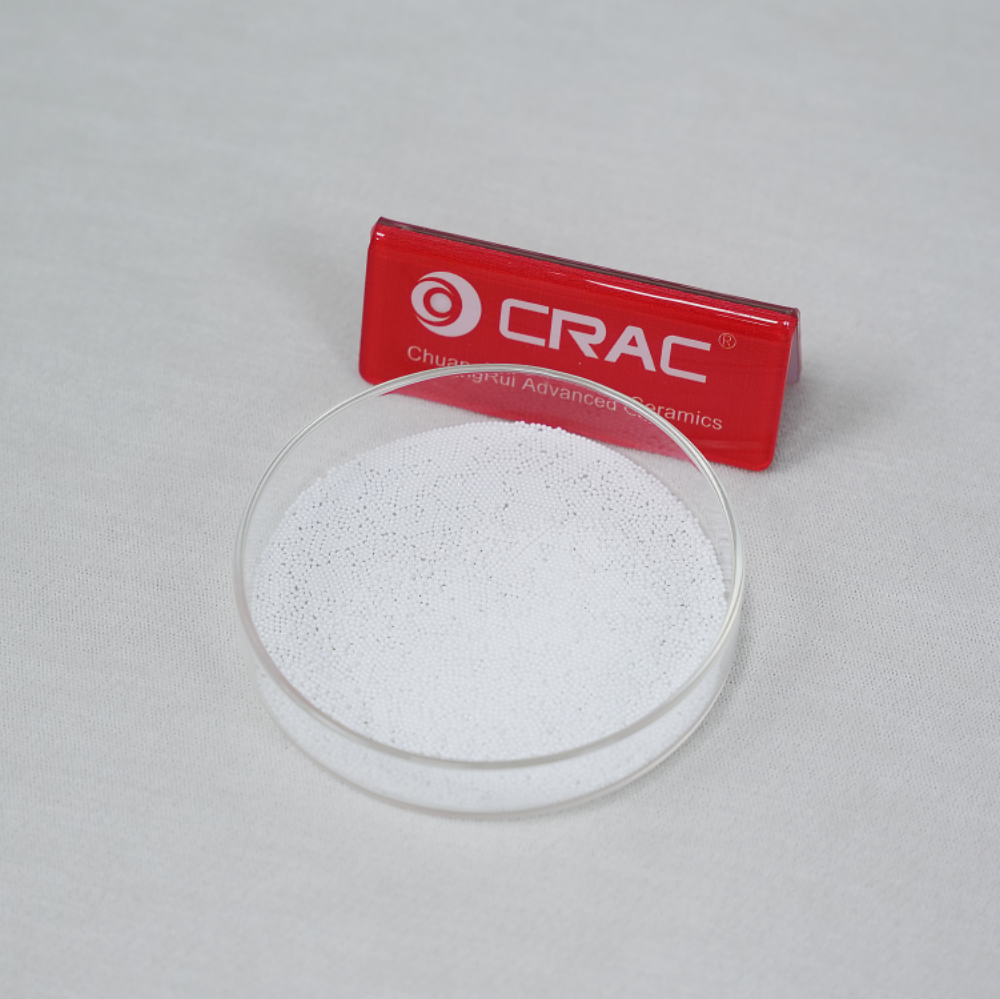
Figure 1: Tight size uniformity in zirconia beads reflects rigorous in-process quality control
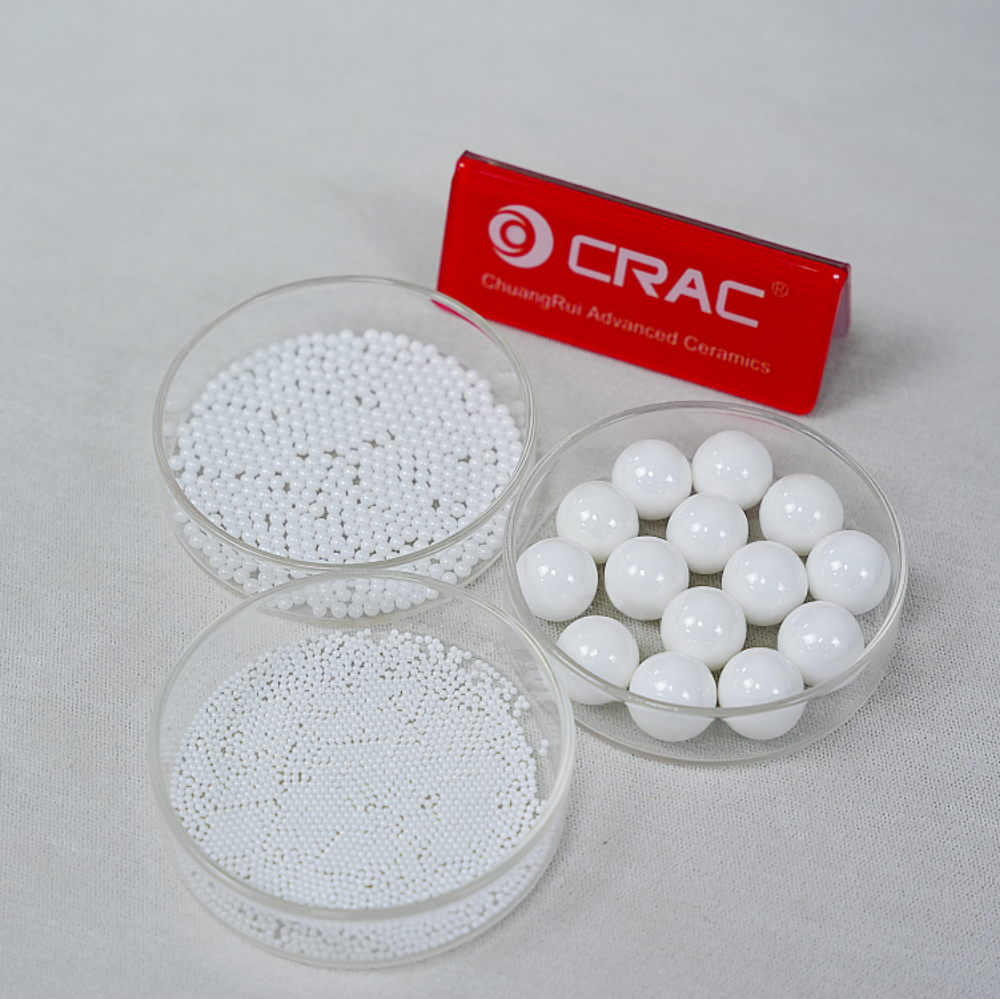
Figure 2: Multiple bead specifications kept consistent through batch testing and traceability
Quality Control Starts with Raw Material Verification
Every reliable advanced ceramics factory begins quality control before production starts. Incoming zirconia, alumina and silicon nitride powders are tested for purity, particle size distribution and chemical composition. Powders that do not meet internal specifications are rejected before they enter the batching area, preventing downstream defects.
Material traceability is maintained from receipt through shipment. This traceability supports industries that require documented evidence of precision ceramic parts consistency, such as semiconductor fabrication and medical device manufacturing. Learn more about advanced ceramics innovations and how material science shapes final performance.
Key incoming checks: chemical purity, particle size distribution, moisture content, binder quality and supplier certificate review.
Process Control During Forming and Sintering
Forming and sintering determine the density, microstructure and mechanical properties of ceramic components. An advanced ceramics factory controls parameters such as pressing pressure, isostatic pressure, temperature ramps, atmosphere composition and holding time with closed-loop monitoring and recorded data for every batch.
For complex geometries, precision injection molding offers high-volume repeatability. Mold temperature, injection speed and debinding profiles are monitored to prevent cracks, voids and dimensional drift. Discover how fine ceramic engineering transforms raw powder into high-tolerance components.
Sintering furnaces are calibrated regularly, and temperature uniformity surveys ensure every part experiences the same thermal profile. This is especially important for advanced ceramics in energy storage applications, where density and electrical properties must remain stable across large production lots. Engineers can refer to the zirconia ceramic components selection guide when matching material grades to sintering requirements.
1
Pressing Control
Uniform green density through controlled pressure and fill weight.
2
Sintering Profiles
Calibrated furnaces with logged temperature and atmosphere data.
3
Atmosphere Management
Controlled oxygen, nitrogen or vacuum levels to prevent defects.
4
Batch Records
Complete traceability from powder lot to finished component.
Precision Machining and Dimensional Inspection
After sintering, most precision ceramic parts require grinding, lapping, polishing or CNC machining to achieve micron-level tolerances and surface finishes. Quality control at this stage combines skilled operators with calibrated metrology equipment, including CMMs, optical comparators, surface roughness testers and micrometers.
Critical dimensions are inspected against customer drawings, and statistical process control charts help identify trends before parts drift out of tolerance. For example, technical specifications and testing standards for zirconia ceramic valve cores define how tolerances, surface finish and crack detection are evaluated.
Surface quality is equally important. Micro-cracks, pores or contamination can become failure initiation points under thermal or mechanical stress. Advanced ceramics manufacturing relies on clean machining environments and proper tooling selection to preserve surface integrity. Parts such as precision zirconia valve cores demonstrate how tight tolerances and smooth finishes are achieved through controlled grinding and lapping.
Common inspection tools: coordinate measuring machines, optical comparators, surface roughness testers, micrometers, plug gauges and visual inspection stations.
Final Inspection, Testing and Traceability
Before shipment, each batch undergoes final inspection against documented acceptance criteria. Depending on the application, tests may include dimensional verification, hardness testing, density measurement, fracture toughness evaluation, chemical resistance checks and visual inspection under magnification.
Traceability documentation connects each shipment to raw material lots, furnace batches, machining operators and inspection records. This level of documentation is essential for customers who audit their suppliers or need failure-analysis support. Read about how a zirconia beads manufacturer supports consistent quality through documented processes.
For high-reliability applications, such as precision injection molded ceramic parts for medical devices, additional controls may include cleanroom packaging, particle counts and material biocompatibility confirmation.
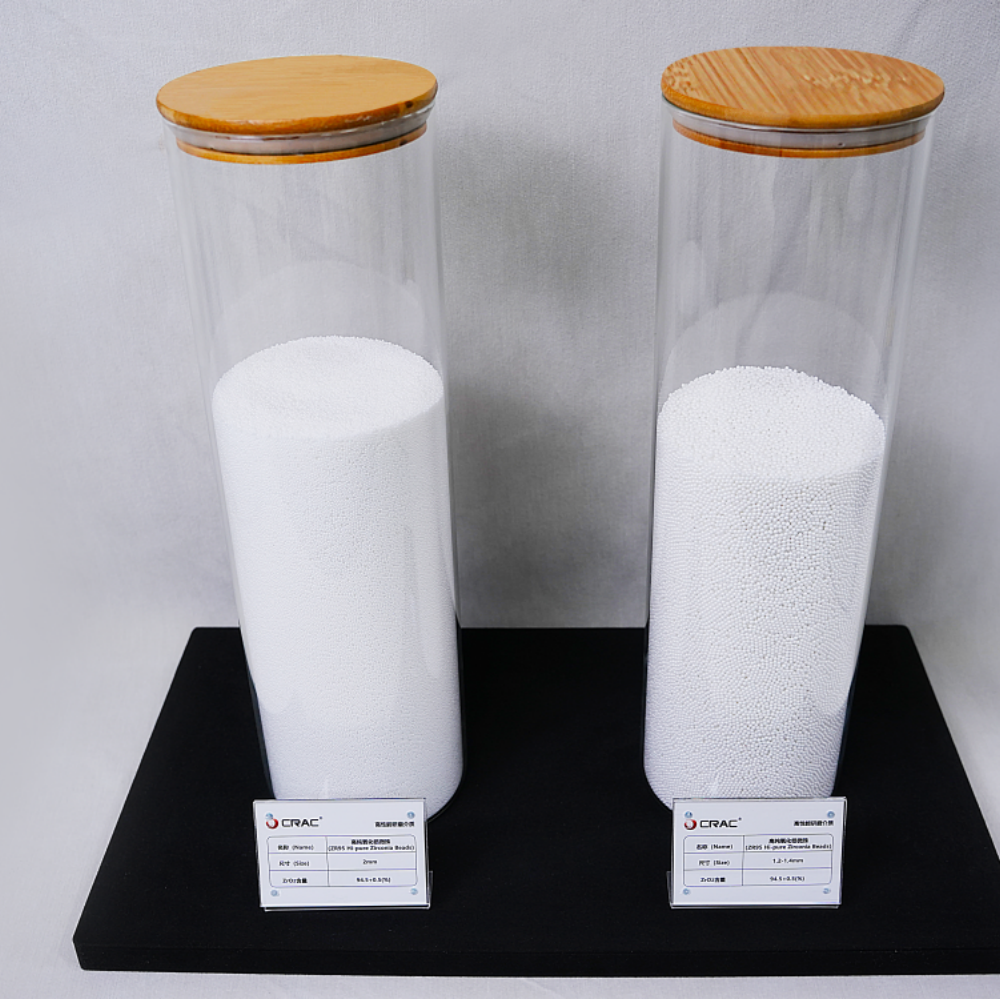
Figure 3: Labeled bulk containers enable full lot traceability from factory to customer
Why the Right Advanced Ceramics Factory Matters
Not every ceramics supplier offers the same depth of quality control. A true advanced ceramics factory invests in powder characterization, calibrated equipment, process documentation, trained inspectors and continuous improvement. These investments reduce scrap, shorten lead times and give customers confidence that every part meets specification.
When selecting a partner, engineers should look for demonstrated capability in innovative precision ceramic parts, responsive technical support and a proven track record in the target application. Our guide on how to choose an advanced ceramics factory outlines the key questions to ask during supplier evaluation.
CRAC applies these quality principles across its product lines, from ZR95 nano zirconia beads and ultra-wear-resistant silicon nitride microbeads to advanced ceramic valve cores and precision zirconia valve cores for flow control.
Key Takeaways
- Quality control in precision ceramic manufacturing begins with verified raw materials and supplier documentation.
- Forming and sintering parameters are monitored, logged and controlled to ensure repeatable microstructure and properties.
- Precision machining is followed by dimensional, surface and visual inspection using calibrated metrology tools.
- Final testing and traceability connect each part to its material source, process history and inspection records.
- Partnering with an experienced advanced ceramics factory reduces risk and improves long-term product reliability.
Ready to Work with a Quality-Driven Advanced Ceramics Factory?
Contact CRAC to discuss your precision ceramic manufacturing requirements, request samples or arrange a factory process review.