A ceramic ball milling jar is one of the most important consumables in a materials research lab. It holds the powder, media and solvent during milling, and its material properties directly influence grinding efficiency, sample purity and reproducibility. Selecting the right ceramic ball milling jar means matching the jar to the sample chemistry, particle-size target and thermal demands of the process.
This guide explains the key factors researchers should consider when choosing a ceramic ball milling jar for material research, from composition and purity to capacity and contamination control.
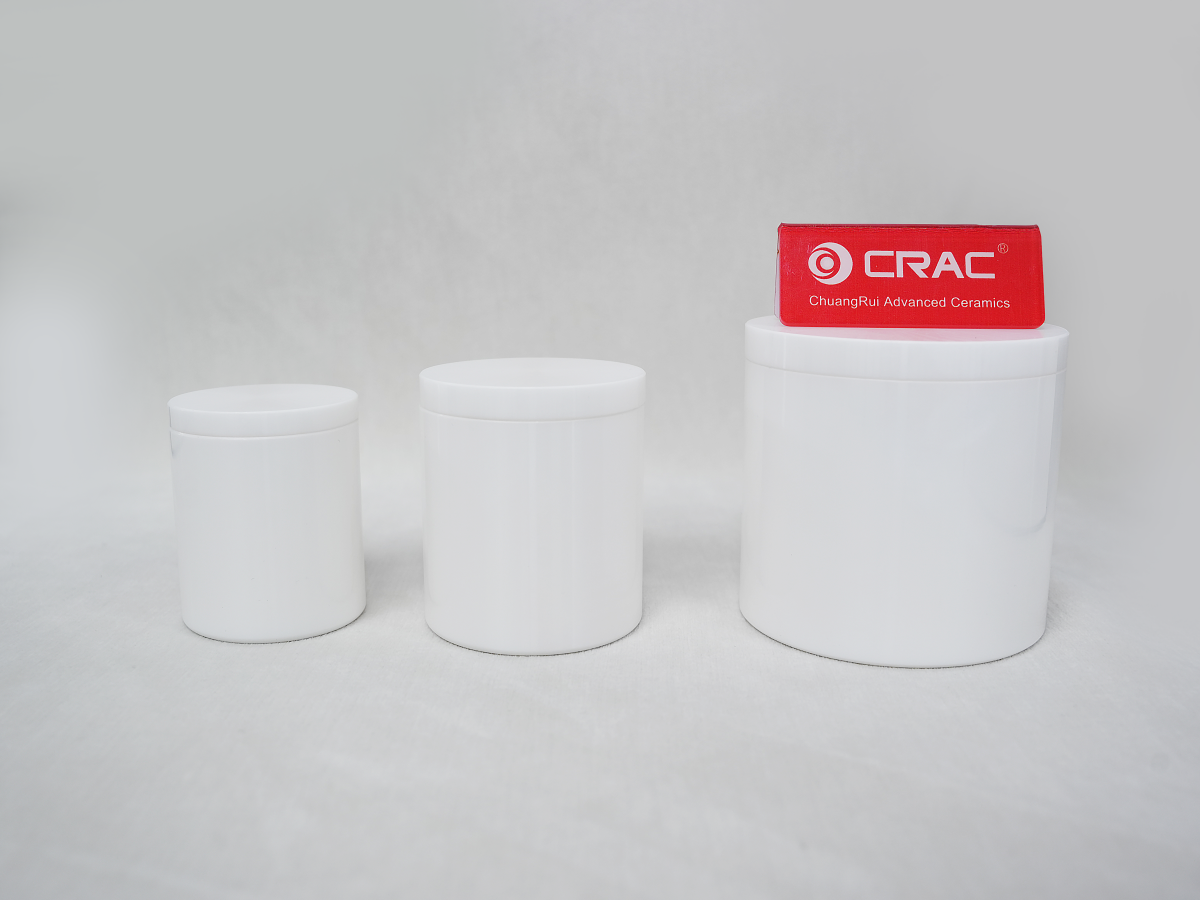
Figure 1: Precision-machined ceramic ball milling jars in multiple laboratory sizes
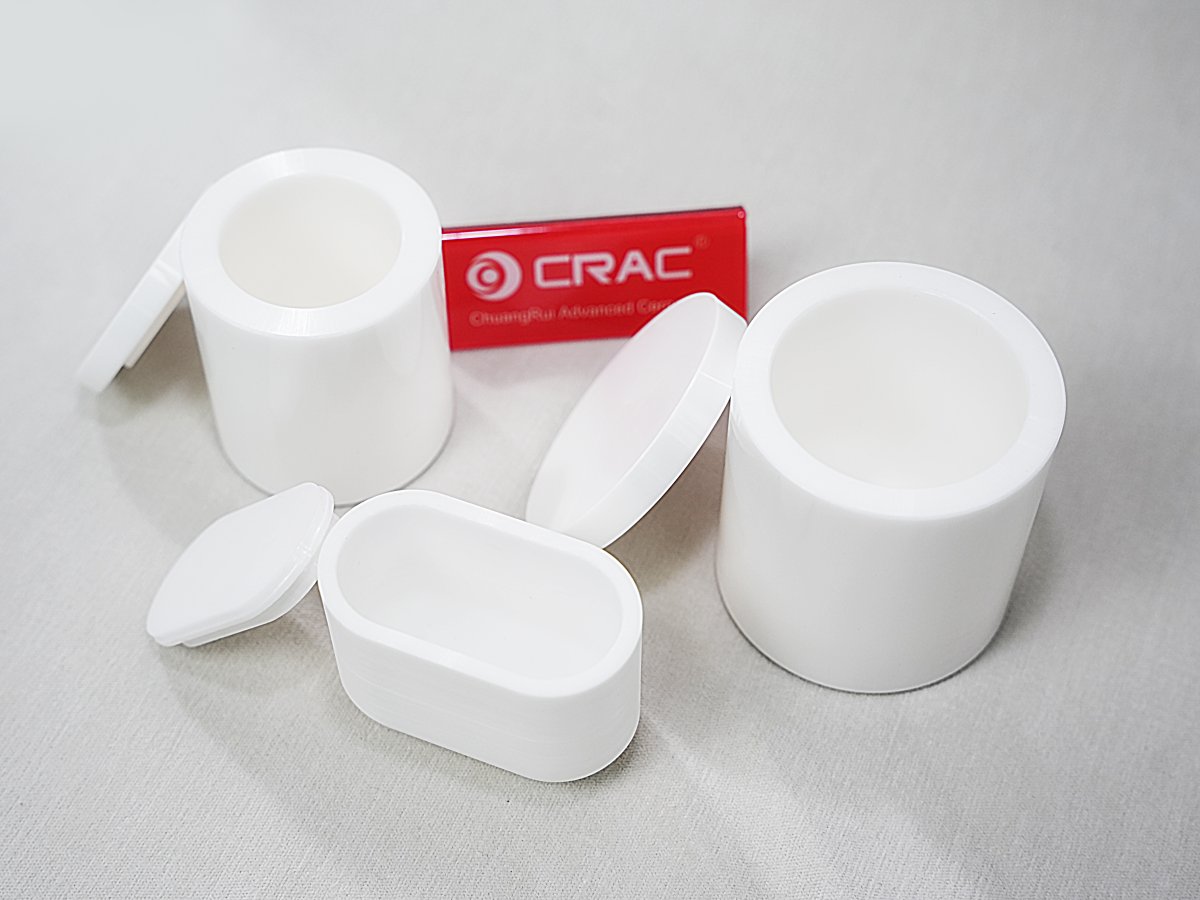
Figure 2: Ceramic jars with matching lids designed for contamination-free grinding
Why the Milling Jar Matters in Material Research
In material research, the milling jar is not just a container. It is the reaction chamber that controls contamination, energy input and final particle size. A poorly matched jar can introduce unwanted elements, accelerate wear and distort experimental results. A well-specified zirconia ceramic ball milling jar keeps the sample pure and the process repeatable.
1
Contamination Control
The jar material must not react with or abrade into the sample. Even trace contamination can invalidate sensitive material characterization.
2
Energy Transfer
Jar density and wall thickness affect how impact energy is delivered to the powder. Higher density media and jars drive finer grinding.
3
Wear Resistance
Abrasive powders wear soft jar surfaces. High-hardness ceramics extend jar life and keep particle-size distribution consistent across batches.
4
Thermal and Chemical Stability
Some research processes use heat or aggressive solvents. The jar must remain stable without cracking, leaching or discoloring the sample.
Key Factors to Consider
1. Ceramic Composition
Yttria-stabilized zirconia jars deliver the highest density and toughness for demanding nanomilling. Alumina jars are lighter and cost-effective for softer powders. The right choice depends on sample hardness and target particle size. Read more about alumina media advantages and yttria-stabilized zirconia media.
2. Purity and Chemical Inertness
For battery materials, catalysts and electronic ceramics, metal-ion contamination must be minimized. High-purity zirconia jars minimize leaching and keep the sample chemistry intact. Explore high-purity grinding media options.
3. Jar Volume and Fill Ratio
A typical rule is to fill one-third of the jar with powder, one-third with grinding media and leave one-third free for media movement. Overfilling reduces grinding efficiency and increases wear.
4. Wall Thickness and Impact Strength
Thicker walls withstand repeated impacts from high-density media. In high-energy planetary mills, a robust jar prevents cracking and extends service life.
6. Sealing and Solvent Retention
A tight-fitting lid and gasket are essential for wet milling. They prevent solvent loss, maintain slurry concentration and protect lab personnel from vapor exposure.
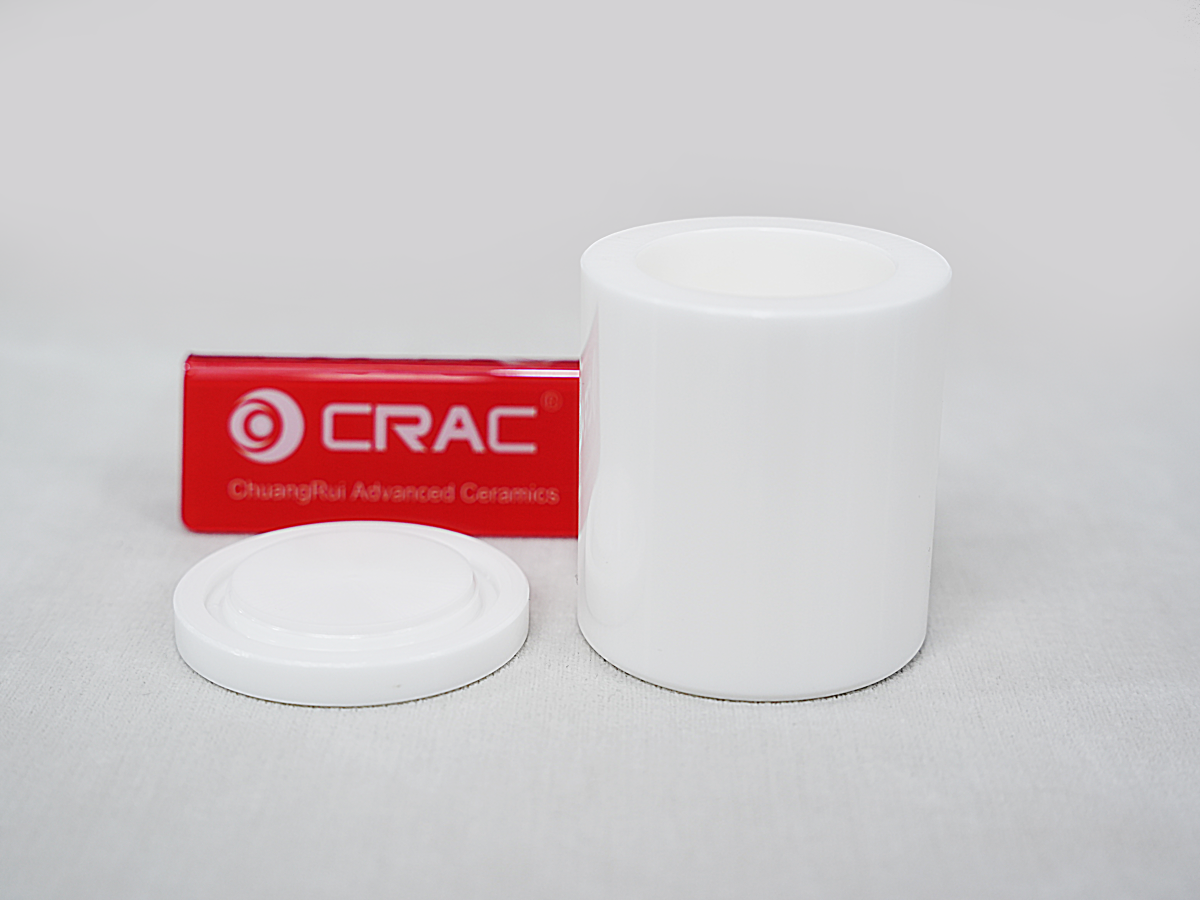
Figure 3: Close-up of a high-purity ceramic ball milling jar for precision material research
Ceramic Ball Milling Jar Material Comparison
The table below compares common ceramic and non-ceramic jar materials used in material research labs.
| Property |
Zirconia Ceramic Jar |
Alumina Ceramic Jar |
Polyurethane-Lined Jar |
Stainless Steel Jar |
| Density |
High |
Moderate |
Low |
High |
| Hardness |
Excellent |
Very good |
Low |
Moderate |
| Purity |
Excellent |
Very good |
Moderate |
Low |
| Wear Resistance |
Excellent |
Very good |
Low |
Moderate |
| Best Fit |
Nano / battery / high-purity |
General ceramics / pigments |
Soft powders / short tests |
Metal-tolerant grinding |
For deeper insight into matching jars and media, read how to select optimal ceramic grinding media and choosing the right grinding ball for your application.
Applications in Material Research
Battery Active Materials
Lithium iron phosphate, NMC and silicon powders need contamination-free milling. A zirconia jar paired with matching zirconia beads for battery material grinding protects cathode and anode chemistry.
Nanoparticle Dispersion
Nano oxides, carbides and metals require jars that deliver high energy without contaminating the fine particles. See how nano zirconia beads support ultra-fine dispersion.
Powder Metallurgy
Metal and alloy powders are abrasive. High-hardness ceramic jars reduce metallic contamination and produce uniform particle size for pressing and sintering studies.
Ceramic Pigments and Oxides
Color consistency in ceramic pigments depends on a clean grinding environment. Inert jars prevent color shift caused by foreign ions.
Catalyst Materials
Catalyst supports and active phases are sensitive to trace metals. Ceramic jars preserve catalytic surface chemistry during milling.
Pharmaceutical and Food Powders
When testing excipients or food-grade additives, a clean, inert ceramic jar helps meet purity and safety requirements.
Related reading: zirconia ceramic parts for planetary ball mills, zirconia ceramic ball milling jars, and selecting optimal ceramic grinding media.
Selection Checklist for Material Research Labs
- Define the sample — chemical composition, hardness, desired particle size and batch volume.
- Choose the ceramic grade — zirconia for high-energy nanomilling, alumina for general-purpose research.
- Match media to jar — use beads of the same or higher hardness; avoid softer media that will abrade and contaminate.
- Check mill compatibility — confirm jar outer diameter, lid thread and O-ring size fit your planetary or roller mill.
- Plan for cleaning — smooth, dense ceramic surfaces are easier to clean between experiments and reduce cross-contamination.
The Bottom Line
Choosing a ceramic ball milling jar for material research means balancing composition, purity, volume, hardness and chemical stability. A high-purity zirconia jar gives researchers the best combination of grinding energy, contamination control and durability for demanding powders, while alumina jars remain an economical choice for less aggressive materials. When the jar and media are matched correctly, milling becomes more repeatable, sample purity improves and research outcomes become more reliable.
If your lab needs consistent, contamination-free milling, start by matching the jar material to your sample chemistry and particle-size goals.
Find the Right Ceramic Ball Milling Jar for Your Research
CRAC supplies precision ceramic ball milling jars, zirconia grinding media and custom milling components for laboratories and pilot plants worldwide.