Bead mills are the workhorse behind nano-particle dispersion and ultra-fine milling in paints, inks, coatings, lithium battery slurries, and advanced ceramics. While ceramic grinding beads do the cutting work, the surrounding bead mill ceramic parts determine how efficiently energy is transferred, how clean the product remains, and how long the equipment runs between services.
This guide introduces the most common bead mill ceramic parts and explains their direct role in improving grinding performance, reducing contamination, and extending equipment life.
.png)
Figure 1: Precision-engineered ceramic dispersion and grading wheel for bead mill systems
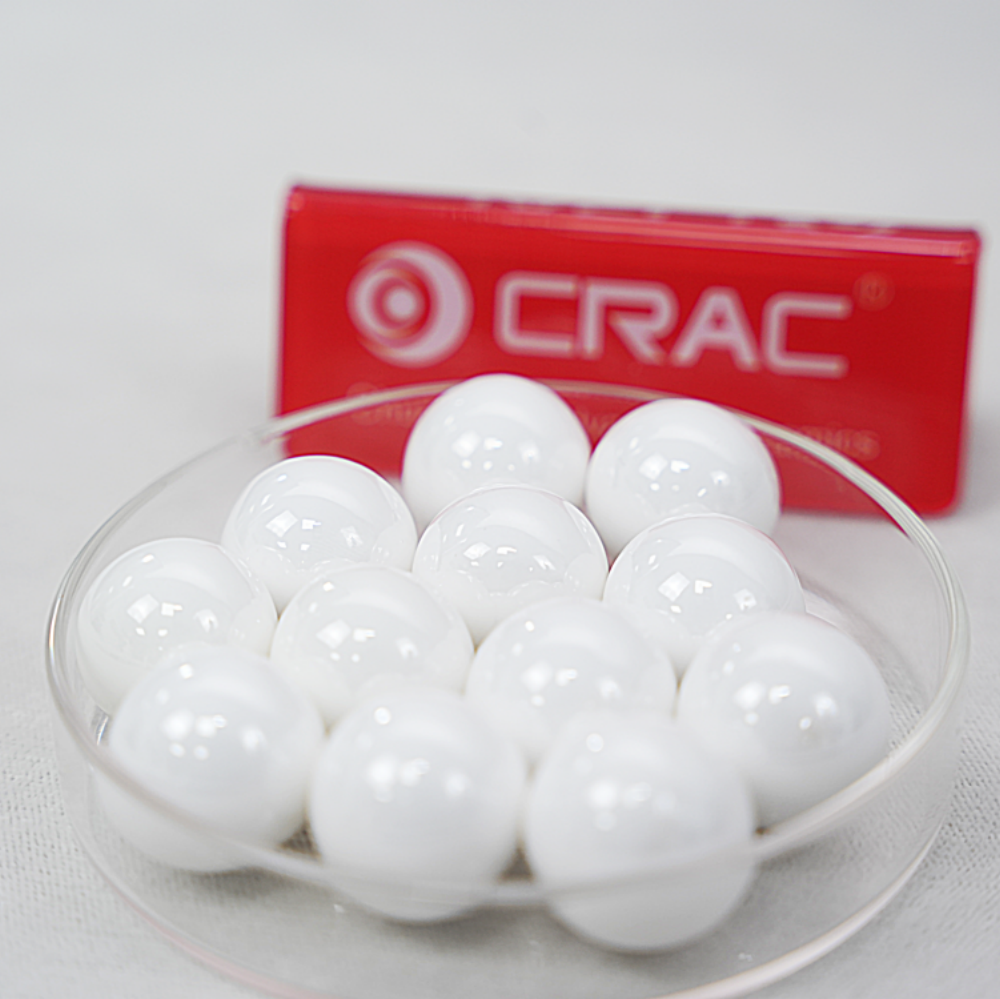
Figure 2: High-purity zirconia beads used together with ceramic bead mill parts
Common Bead Mill Ceramic Parts
Dispersion discs transfer kinetic energy from the rotor shaft into the bead mass. Zirconia versions keep tight balance, resist abrasive wear from the media bed, and minimize metallic contamination. See how ceramic dispersion discs improve battery slurry processing.
Grading wheels control particle size by separating fine product from coarse beads. A ceramic grading wheel resists erosion and keeps the separation gap stable. Learn more in the ceramic grading wheel guide.
Milling Chamber Liners / Sleeves
The chamber liner is the inner wall of the milling zone. Replacing metal liners with zirconia or silicon nitride liners cuts wall wear, reduces heat generation, and protects product purity during long production runs.
For smaller batch and laboratory bead milling, zirconia ball milling jars provide a contamination-free grinding environment. Explore zirconia ceramic ball milling jars for high-purity grinding.
Custom Wear Components
Bushings, shafts, nozzles, and pins inside bead mills are often converted to ceramic to solve localized wear. CRAC supplies precision ceramic mechanical parts engineered for these exact zones.
For a deeper look at zirconia parts in bead mills, read about material advantages of zirconia ceramic parts for bead mill, the manufacturing process behind precision zirconia ceramic parts, and production considerations for wear-resistant zirconia ceramic parts.
How Bead Mill Ceramic Parts Improve Grinding Performance
1
Lower Media Contamination
Ceramic rotors, liners, and separators do not shed metal ions into the slurry. This is critical for battery materials, electronics pastes, and pharmaceutical dispersions.
2
Higher Energy Efficiency
Hard, dimensionally stable ceramic parts maintain correct disc-to-liner clearances. Consistent gaps keep bead velocity high and energy transfer efficient.
3
Longer Service Intervals
Zirconia and silicon nitride parts wear slowly under abrasive bead contact. Longer wear life means fewer shutdowns and lower maintenance labor. See tips on extending equipment service life.
4
Chemical and Thermal Stability
Ceramic parts resist acids, alkalis, and solvents, and they tolerate the heat generated by high-speed bead movement. Stable dimensions protect particle size consistency.
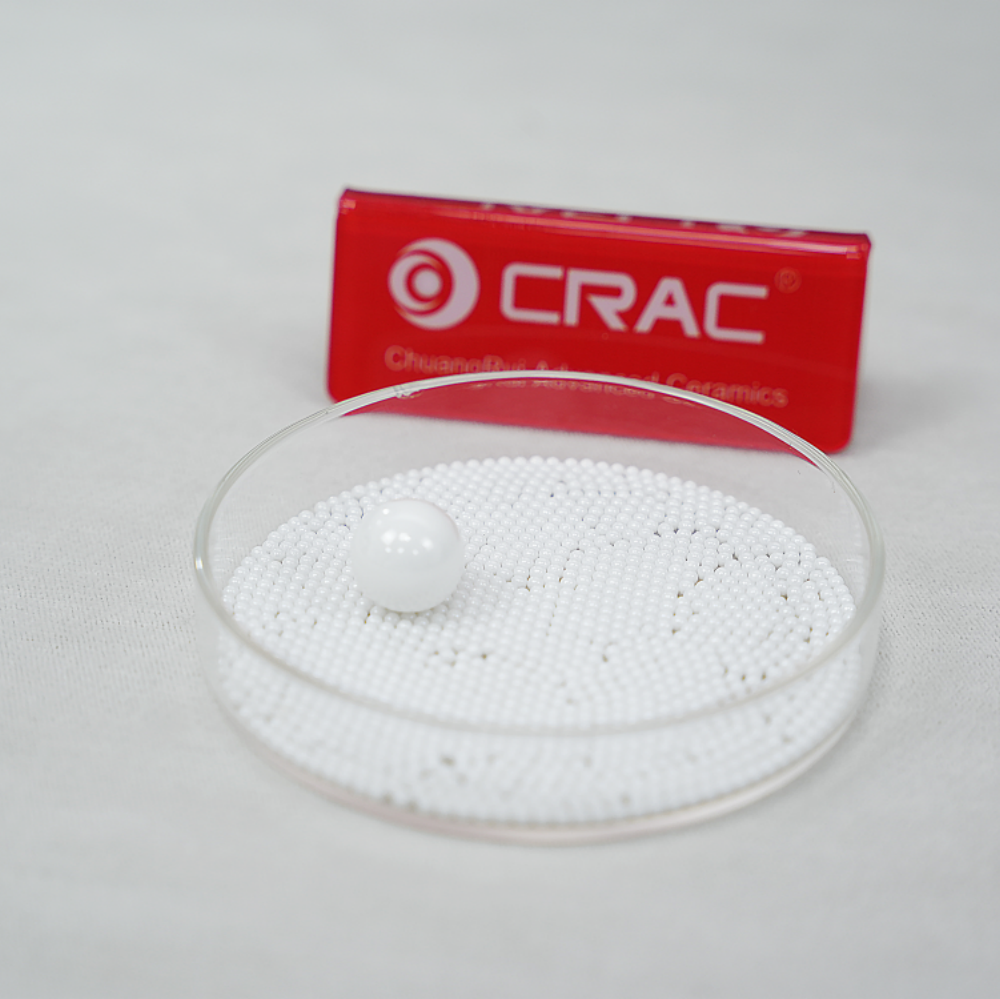
Figure 3: Matching bead size to ceramic part geometry helps optimize milling efficiency and final particle size
Material Options for Bead Mill Ceramic Parts
Different bead mill zones call for different ceramic materials. The table below compares the three most common options used in CRAC bead mill ceramic parts.
| Property |
Yttria-Stabilized Zirconia |
Silicon Nitride |
Alumina |
| Hardness |
Very high |
Very high |
High |
| Fracture Toughness |
Excellent |
Excellent |
Moderate |
| Wear Resistance |
Excellent |
Excellent |
Good |
| Best Application |
High-energy bead mill zones |
High-speed, thermal shock |
Cost-sensitive, lower impact |
Compare media options in zirconia vs silicon nitride beads and explore the silicon nitride grinding media guide. For high-purity milling, CRAC offers ZR95 high-purity zirconia beads and ultra-wear-resistant silicon nitride microbeads.
Industries That Rely on Bead Mill Ceramic Parts
Paints, Inks, and Coatings
Dispersion discs and chamber liners maintain color consistency by preventing metallic contamination in pigment and dye slurries. Related service: pigment and dye industry.
Lithium Battery Materials
Cathode and anode slurries demand zero metal pickup. Ceramic plungers, seals, and dispersion discs protect battery material purity. Service: new-energy lithium battery industry.
Chemical and Fine Chemical Processing
Corrosive intermediates and solvents attack metal parts. Zirconia and silicon nitride components extend service life in aggressive chemistries. Service: chemicals.
Semiconductor and Electronics
Electronic pastes and CMP slurries require ultra-low contamination. Ceramic parts and beads help meet tight particle specifications. Service: semiconductor field.
For more on zirconia bead performance, read the role of zirconia beads in superior grinding finishes and nano zirconia beads for ultra-fine grinding excellence.
Selecting Bead Mill Ceramic Parts for Your Process
- Map the wear zones — identify which parts see the highest bead impact, sliding contact, or chemical exposure.
- Match material to duty — use zirconia for high-energy impact, silicon nitride for thermal shock and speed, and alumina for lighter, cost-driven duties.
- Verify dimensional tolerances — tight clearances between rotors, liners, and beads are essential for stable energy input and particle size control.
- Check surface finish — smooth ceramic surfaces reduce bead and slurry adhesion, lowering contamination and energy loss.
- Request custom engineering — OEM bead mill designs often benefit from tailored ceramic bushings, pins, nozzles, and liners.
For planetary mill configurations, see zirconia ceramic parts for planetary ball mills.
The Bottom Line
Bead mill ceramic parts are not consumable accessories; they are precision engineering elements that control grinding efficiency, product purity, and maintenance cost. From dispersion discs and grading wheels to chamber liners, plungers, and ball milling jars, each ceramic component plays a specific role in converting rotor energy into consistent particle size reduction.
By choosing the right ceramic material and geometry for each wear zone, manufacturers can extend equipment life, reduce contamination, and keep their nano-milling processes running at peak performance.
Upgrade Your Bead Mill with CRAC Ceramic Parts
CRAC supplies bead mill ceramic parts, grinding media, and custom wear components for dispersion, classification, and ultra-fine milling systems.