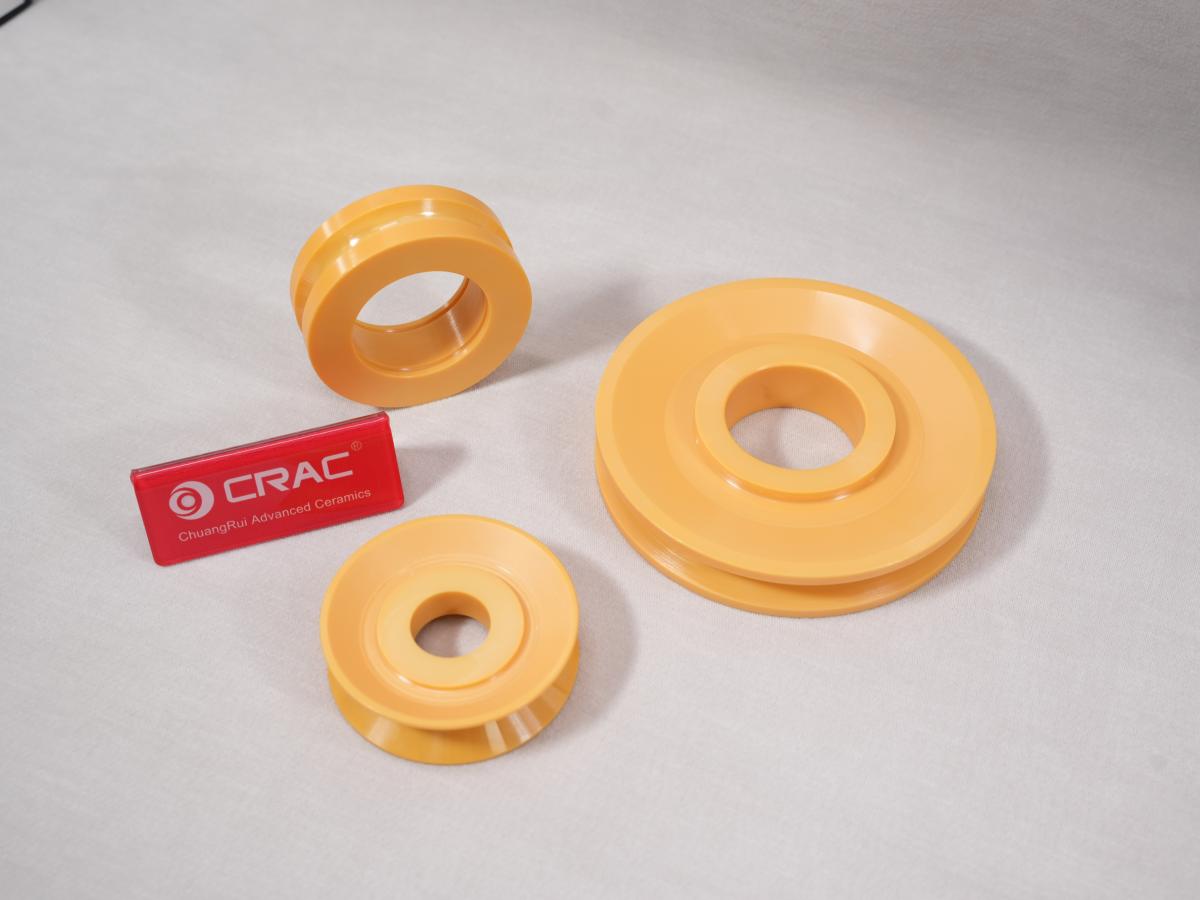
Figure 1: Precision yttria-stabilized zirconia (Y-TZP) ceramic wire drawing tower wheel with multi-groove profile designed for high-speed copper wire drawing lines
Why Wire Drawing Equipment Demands More Than Metal
In modern wire drawing production, the capstan wheel — often referred to as the tower wheel or drawing pulley — sits at the very center of the process. It grips the wire, applies drawing tension across each die pass, and determines whether the final product meets diameter tolerances, surface finish requirements, and production throughput targets.
When these wheels are made from conventional metals — hardened steel, cast iron, or even tungsten carbide coatings — plant engineers face a recurring set of problems: groove wear that shifts wire gauge out of tolerance within weeks, surface pitting that scratches copper or aluminum conductors, and lubrication breakdown triggered by frictional heat buildup. Frequent wheel replacement drives unplanned downtime and inflates per-kilogram wire cost.
This is precisely where ceramic wire drawing wheels — manufactured from yttria-stabilized zirconia (Y-TZP) — change the economics of wire production. By substituting metal with an advanced technical ceramic, drawing operations achieve order-of-magnitude improvements in service life, wire surface quality, and process stability. For a broader perspective on how ceramic mechanical parts outperform metals in high-wear environments, see our comprehensive analysis.
Material Engineering: What Makes Zirconia Ceramic Drawing Wheels Different
Not all ceramics perform equally under wire drawing conditions. Zirconia-based ceramics — specifically yttria-stabilized tetragonal zirconia polycrystal (Y-TZP) — offer a unique combination of properties that directly address wire drawing failure modes. For a detailed breakdown of zirconia material grades and their properties, refer to our material classification guide.
| Property |
Y-TZP Zirconia |
Hardened Steel (Cr12MoV) |
Cast Iron |
WC-Co Coating |
| Density (g/cm³) |
~6.05 |
~7.85 |
~7.20 |
~13.5 |
| Vickers Hardness (HV) |
1,200–1,350 |
600–700 |
200–300 |
1,100–1,300 |
| Fracture Toughness (MPa·m1/2) |
8–12 |
15–50 |
10–20 |
6–10 |
| Bending Strength (MPa) |
900–1,200 |
1,500–2,000 |
300–500 |
N/A (coating) |
| Operating Temperature (°C) |
Up to 1,000 |
≤ 200 |
≤ 300 |
≤ 500 |
| Groove Wear Rate |
Extremely Low |
High |
Very High |
Moderate (delamination) |
| Corrosion Resistance |
Excellent |
Poor |
Poor |
Good |
The standout metric here is groove wear rate — the dominant lifecycle cost driver in wire drawing. Y-TZP ceramic wheels maintain groove geometry 5–10 times longer than hardened steel equivalents. This directly translates to fewer wheel changeovers, tighter wire diameter control over longer production runs, and measurably lower scrap rates.
Ceramic Grade Selection for Drawing Wheel Applications
Drawing wheel manufacturers have access to multiple zirconia ceramic grades, each optimized for different wire materials and production conditions:
| Grade |
Color |
Best For |
Key Advantage |
| 3Y-TZP (Y-ZR) |
White / Ivory |
Fine copper wire (< 0.5 mm), aluminum magnet wire |
Highest surface finish (Ra < 0.1 µm), minimal wire abrasion |
| A-ZR (Y8 Composite) |
White |
Medium copper rod breakdown (1–8 mm) |
Balanced toughness + hardness for heavy wire loads |
| PR-ZR (Yellow Zirconia) |
Yellow / Gold |
Aluminum rod, brass, high-speed steel wire |
Same Y-TZP performance; non-magnesium-stabilized |
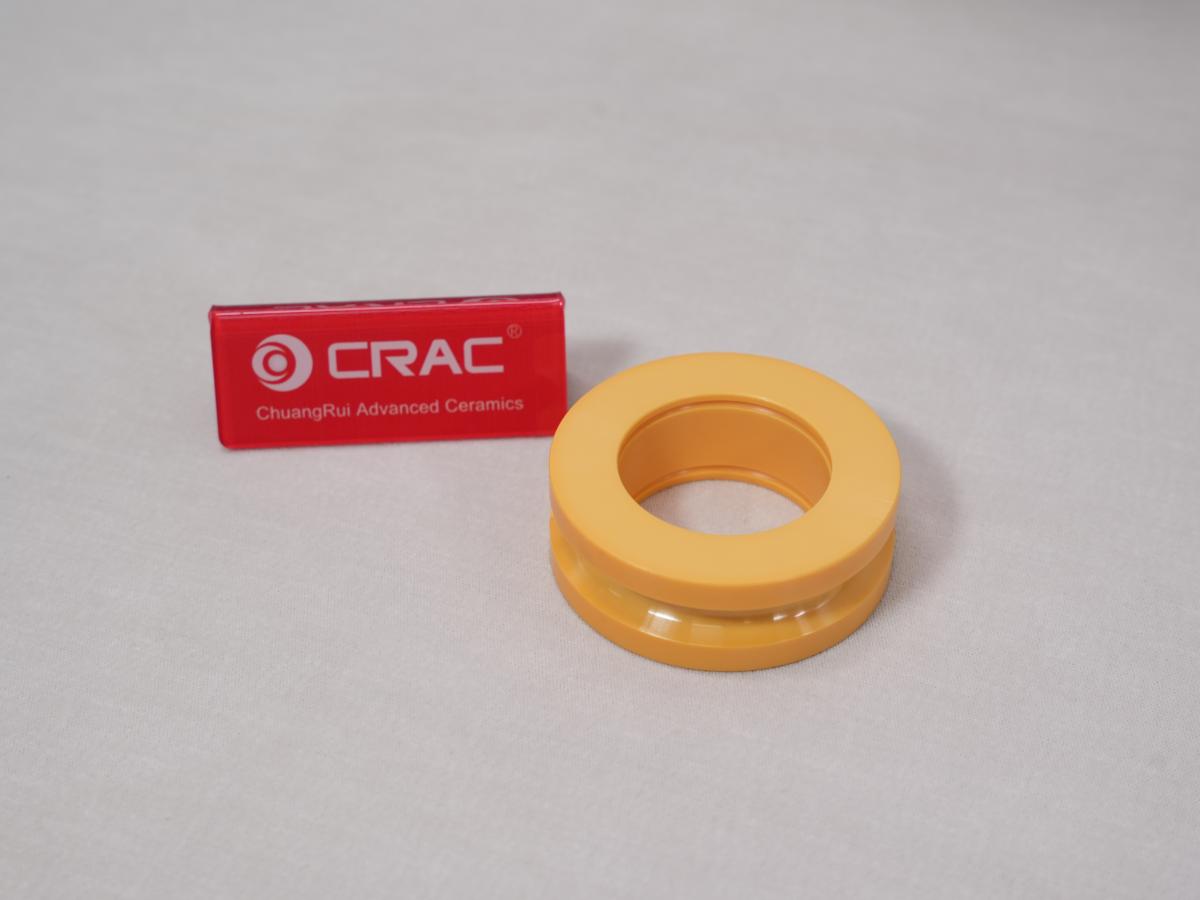
Figure 2: Multiple sizes and groove configurations of zirconia ceramic wire drawing wheels — standard diameters range from 80 mm to 400 mm with single to multi-groove profiles
A critical technical note: the yellow PR-ZR zirconia grade should not be confused with lower-cost magnesium-stabilized zirconia (Mg-PSZ) products available in the market. PR-ZR delivers identical wear and surface performance to white Y-TZP — the coloration is simply a stabilizer variant, not a compromise in mechanical properties. This grade belongs to CRAC's broader portfolio of structural ceramic parts, which also includes Y-ZR (3Y) and A-ZR (Y8) variants for different application requirements.
How Ceramic Drawing Wheels Reduce Wire Production Costs
The economic case for switching from metal to ceramic drawing wheels rests on three measurable cost drivers that compound over the wheel's extended service life:
1. Dramatically Extended Service Intervals
Metal tower wheels in high-speed copper drawing lines typically require groove re-grinding or complete replacement every 2–4 weeks under continuous operation. Zirconia ceramic wheels routinely deliver 6–12 months of continuous service before measurable groove wear appears — a 6–12× improvement. For a 12-head drawing machine, reducing wheel changes from monthly to annual eliminates hundreds of hours of line downtime per year. This wear resistance advantage mirrors what we document across all ceramic structural components, where the combination of extreme hardness and chemical inertness consistently outperforms metal alternatives.
2. Consistent Wire Diameter Over Full Production Runs
As metal wheel grooves wear, the effective drawing diameter changes, progressively shifting drawn wire gauge. Operators compensate by adjusting tension or replacing dies — introducing process variability. Ceramic wheels maintain groove geometry with near-zero dimensional change across their service life, enabling tighter Cp/Cpk values on final wire diameter and reducing out-of-tolerance scrap.
3. Superior Wire Surface Quality
Metal wheel surfaces develop micro-pitting and corrosion from drawing lubricants, transferring surface defects to the wire. These defects become failure initiation points in downstream enameling, annealing, and stranding processes. Zirconia ceramic's chemically inert, non-corroding surface eliminates this contamination pathway — particularly critical for oxygen-free copper (OFC) and enameled magnet wire applications where surface cleanliness directly impacts electrical performance.
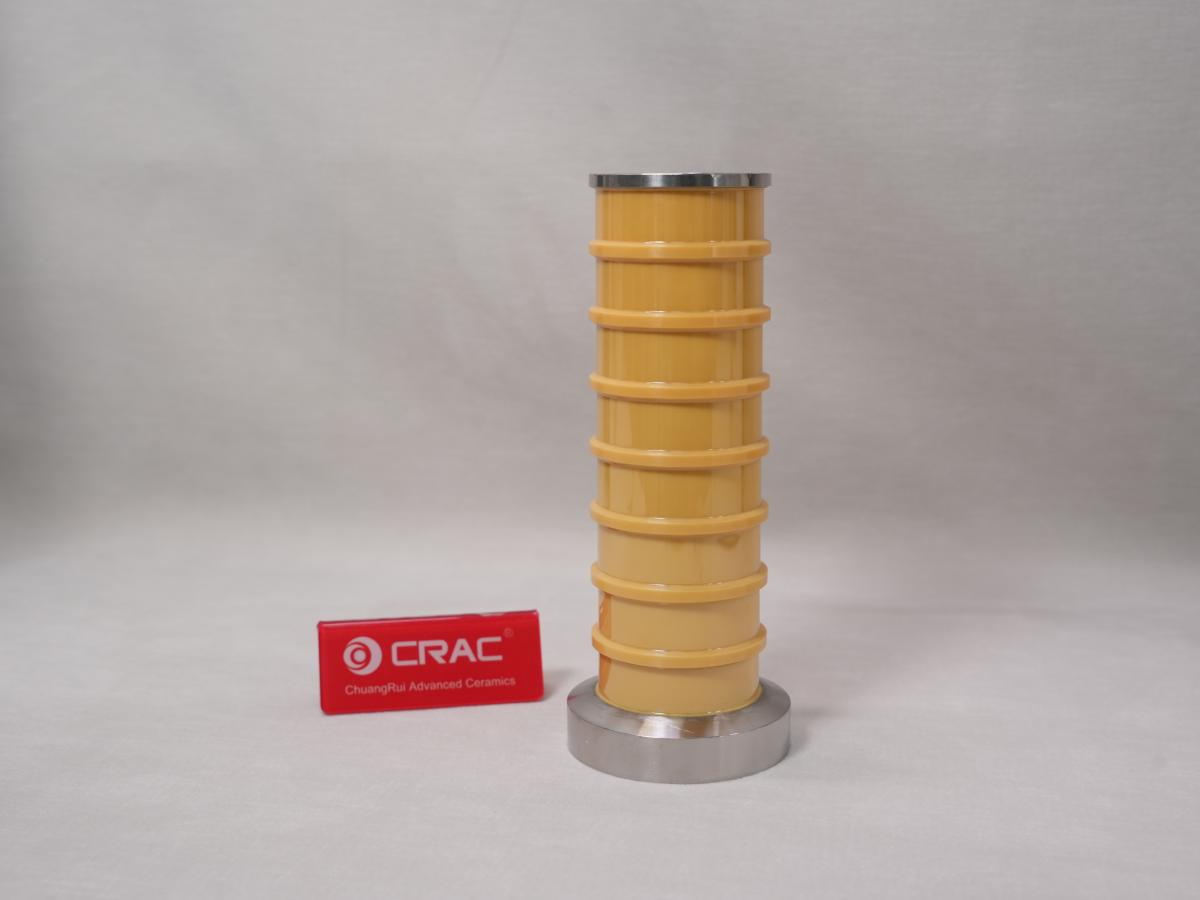
Figure 3: Close-up of multi-groove ceramic wire drawing tower wheel showing precision-ground groove profiles with Ra < 0.1 µm surface finish for high-quality copper and aluminum wire drawing
Design and Manufacturing Precision
Ceramic wire drawing wheels are not simple off-the-shelf components — they require precision-engineered design parameters to perform correctly in high-speed drawing lines:
| Parameter |
Typical Specification |
Why It Matters |
| Groove Surface Finish |
Ra ≤ 0.1 µm |
Prevents wire surface scratching; critical for enamel-grade copper |
| Concentricity |
≤ 0.01 mm |
Ensures uniform wire tension across all grooves; eliminates vibration |
| Cylindricity |
≤ 0.005 mm |
Maintains consistent drawing speed; prevents wire slip |
| Groove Radius Tolerance |
± 0.02 mm |
Matches wire diameter specification; prevents deformation |
| Bore Tolerance |
H7 / +0.005–0.01 mm |
Precision shaft fit; prevents runout under load |
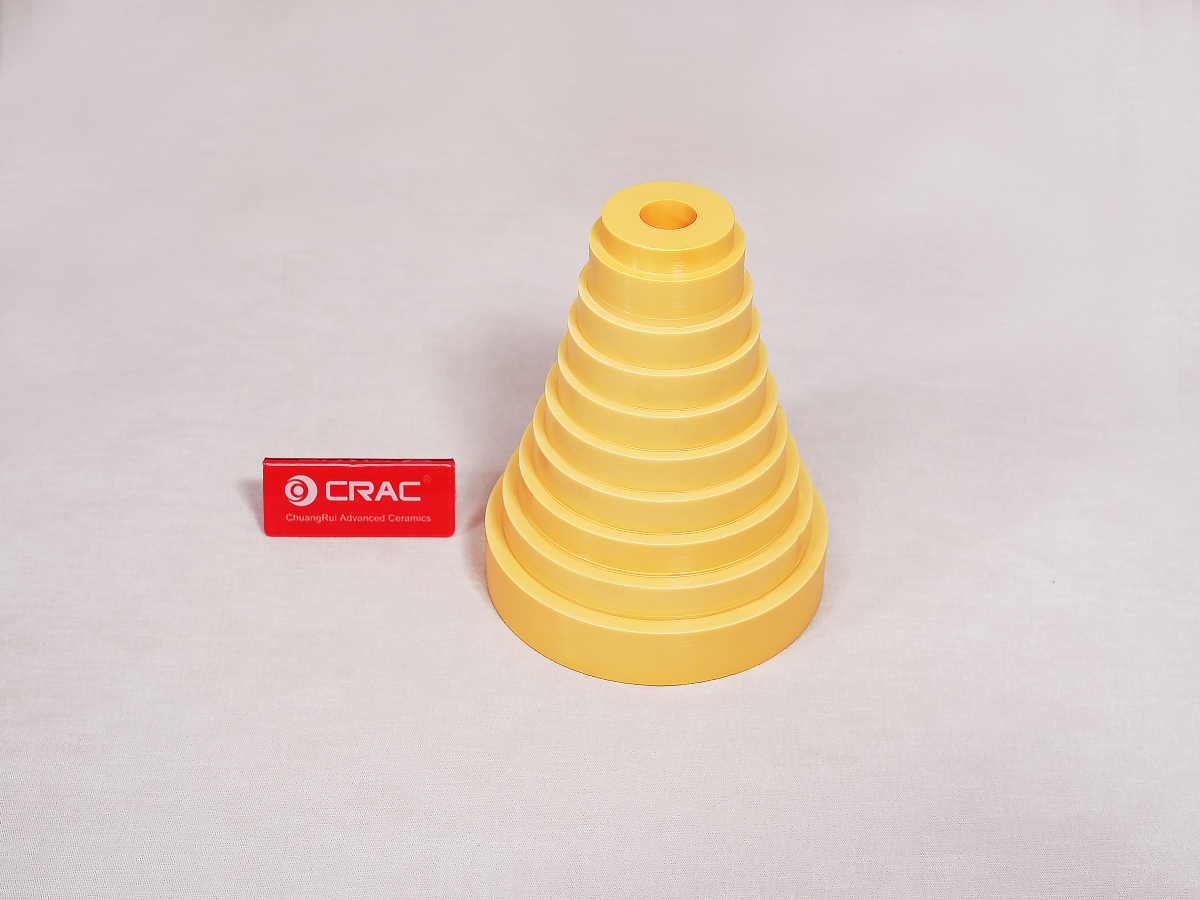
Figure 4: Zirconia ceramic wire drawing tower wheel installed on a multi-pass copper wire drawing machine, demonstrating industrial production integration with existing equipment
Application Coverage Across Wire Types
Ceramic wire drawing wheels serve a broad range of wire materials and production scenarios:
| Wire Type |
Diameter Range |
Recommended Ceramic Grade |
Key Benefit |
| Copper Rod Breakdown |
8 mm → 1.2 mm |
Y8 Composite |
High load capacity, impact-resistant |
| Fine Copper Wire |
0.5 mm → 0.05 mm |
3Y-TZP |
Ultra-smooth groove, zero wire scratch |
| Aluminum / Al Alloy |
9.5 mm → 0.1 mm |
PR-ZR (Yellow) |
Anti-galling, resists aluminum adhesion |
| Brass / Bronze |
6 mm → 0.2 mm |
A-ZR / PR-ZR |
Abrasion resistance against harder alloys |
| Magnet / Enameled Wire |
2 mm → 0.02 mm |
3Y-TZP |
Surface integrity for flawless enamel coat |
Metal vs. Ceramic: Head-to-Head Performance Data
When comparing ceramic wire drawing wheels against hardened steel in a typical copper rod breakdown line (8 mm → 1.2 mm, 20 m/s line speed), the performance delta is unambiguous:
| Metric |
Y-TZP Ceramic |
Cr12MoV Steel |
Improvement |
| Wheel Service Life |
8–12 months |
3–6 weeks |
8–12× |
| Groove Wear (after 500 hrs) |
< 0.01 mm |
0.05–0.15 mm |
5–15× |
| Wire Surface Scratch Rate |
Near zero |
2–5% of coils |
Eliminated |
| Annual Wheel Changes (per head) |
1–2 |
18–26 |
~90% reduction |
These numbers are not theoretical — they represent aggregated field data from wire drawing operations that have converted multiple lines from metal to ceramic capstan wheels. For a behind-the-scenes look at the manufacturing technologies that make this performance possible, explore our advanced ceramics factory walkthrough.
Integration and Installation Considerations
Switching to ceramic drawing wheels does not require machine modifications. Zirconia ceramic wheels are manufactured to the same shaft bore, keyway, and outer diameter specifications as the metal wheels they replace. Installation follows standard mechanical procedures with two additional precautions:
- Shaft tolerance verification — Ceramic wheels demand H7-grade shaft fit. Worn or undersized shafts accelerate bore wear and must be restored to specification before installation.
- Balanced assembly — While ceramic wheels are manufactured with tight concentricity, final assembly balance should be verified at operating RPM, particularly for wheels above 250 mm diameter running at high line speeds.
Quality Assurance for Ceramic Wire Drawing Wheels
Every ceramic wire drawing wheel leaving a qualified manufacturer should pass a multi-point inspection protocol:
- Dimensional verification — CMM inspection of all critical dimensions: OD, bore diameter, groove radii, groove pitch, and overall width
- Surface finish measurement — Profilometer verification of groove Ra ≤ 0.1 µm on every wheel
- Runout check — Dial indicator measurement of radial and axial runout at operating RPM
- Material certificate — Batch-level density, hardness, and fracture toughness test data traceable to the raw powder lot
- Visual inspection — 100% inspection under magnification for surface defects, edge chipping, and crack detection (dye penetrant or equivalent)
Selecting the Right Ceramic Wire Drawing Wheel Supplier
When evaluating ceramic drawing wheel manufacturers, ask these five technical questions to separate experienced suppliers from general ceramic part fabricators:
- "What zirconia powder source do you use, and can you provide a material certificate with each batch?" — The stabilizer distribution and powder morphology directly determine wear performance.
- "Can you share groove wear test data from a copper wire drawing application running at 15+ m/s?" — Real-world speed conditions expose processing quality defects that static measurements miss.
- "What is your Cpk for groove radius tolerance across a production batch?" — Consistency matters as much as the individual spec value.
- "Do you offer yellow stabilized zirconia (PR-ZR) as an alternative to white Y-TZP?" — Availability of multiple grades indicates deeper material expertise.
- "What is your standard lead time for custom groove configurations?" — Flexibility without excessive premium signals mature production capability.
⚙ Upgrade Your Wire Drawing Line with Ceramic Tower Wheels
Trust two decades of advanced zirconia ceramics expertise — from the first domestically developed zirconia beads in China (1997) to today's comprehensive portfolio of structural ceramic components for the wire and cable industry.
🏭
Who We Are
CRAC (Zhuzhou Chuangrui High Strength Ceramic Co., Ltd.) — ISO 9001-certified manufacturer of Y-TZP and PR-ZR ceramic wire drawing wheels, serving wire drawing equipment OEMs and copper/aluminum wire producers globally.
|
📐
Custom Capability
Wheels manufactured to your drawings: groove profiles, diameters from 80–400 mm, bore/keyway specifications, and multi-groove configurations. Standard sizes ship from inventory.
|
📋
What We Need
Share your wheel drawing, wire material, line speed, and current service life data. Our engineering team returns a tailored grade recommendation with wear-life projections.
|