Chemical processing plants handle aggressive acids, caustic bases, abrasive slurries and high-purity solvents. Standard metal valves corrode, erode and lose sealing performance over time, creating safety risks and unplanned shutdowns. A ceramic valve built from engineered zirconia offers a different path: long-term corrosion resistance, reliable sealing and lower maintenance in the harshest fluid systems.
This guide explains why ceramic valves are ideal for chemical processing, what makes them superior to metal alternatives, and how to select the right valve technology for your application.
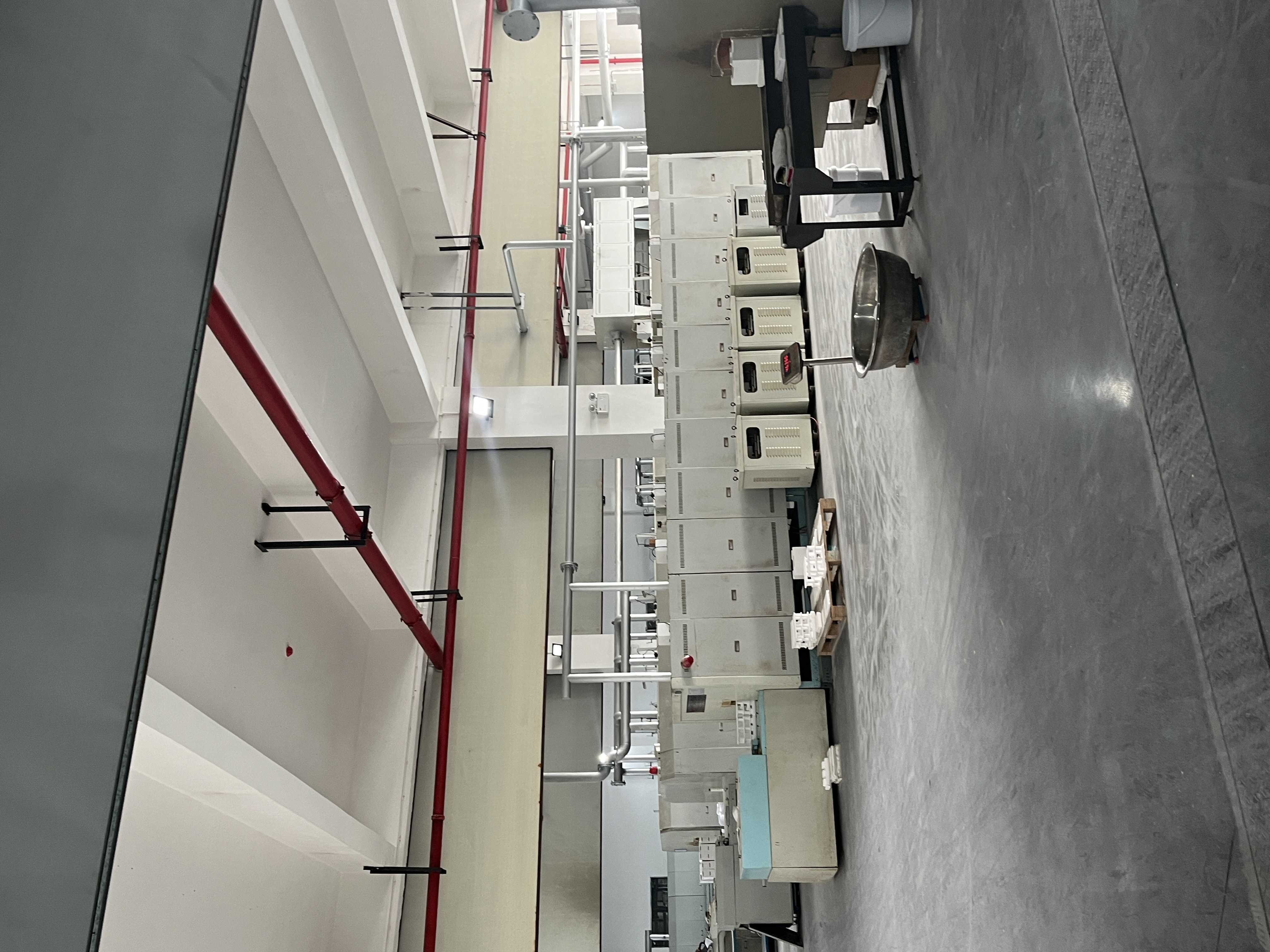
Figure 1: Controlled sintering lines deliver dense, defect-free ceramic valve bodies
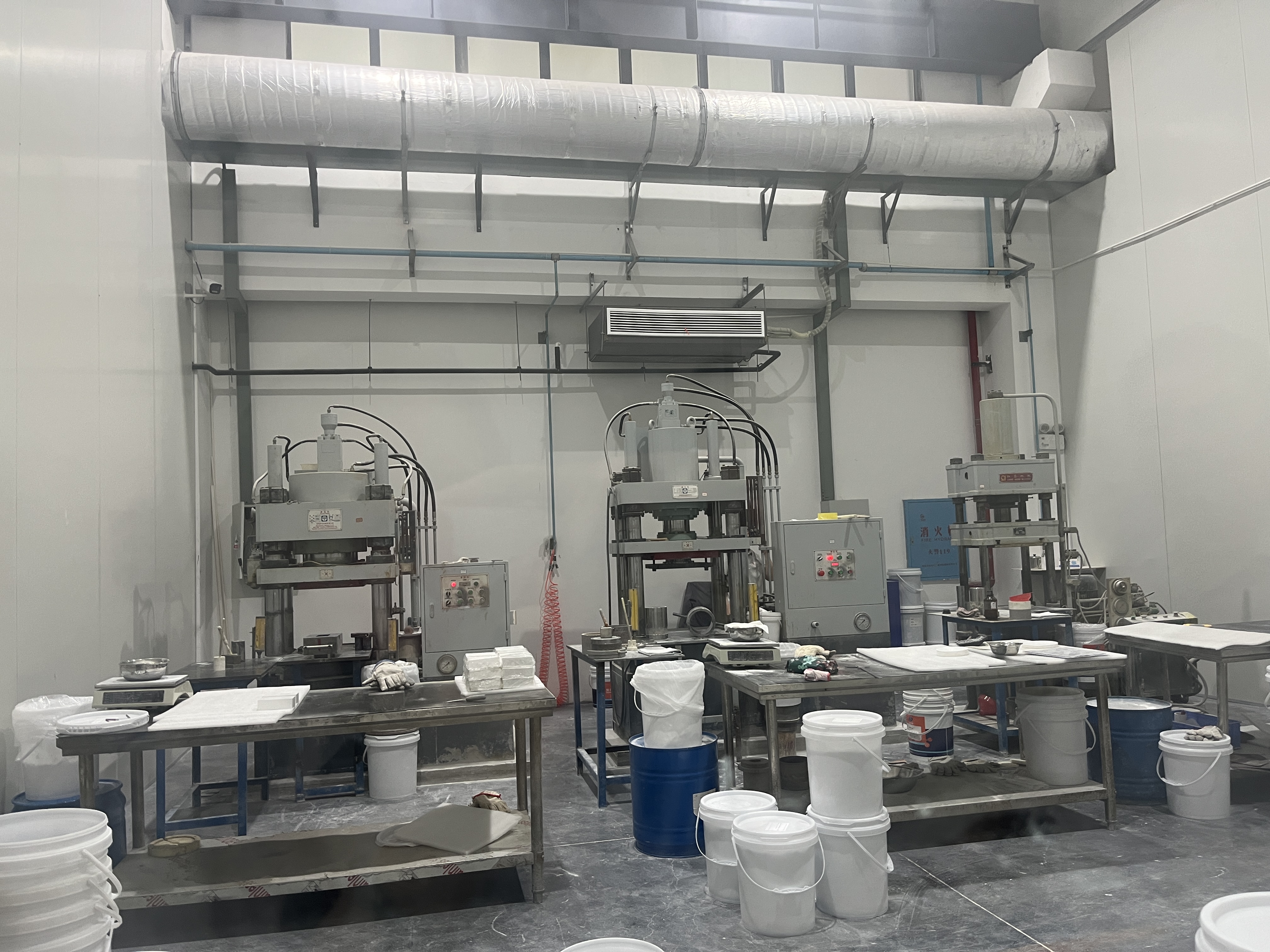
Figure 2: Dry-pressing cell shapes near-net ceramic valve blanks before final machining
Chemical Processing Challenges for Valves
1
Aggressive Corrosion
Acids, chlorides and alkaline media attack metal seats, stems and bodies, leading to pitting, leakage and premature failure.
2
Abrasive Slurry Erosion
Solid-laden fluids wear sealing surfaces and flow paths. Erosion changes valve geometry and reduces shut-off performance.
3
Thermal Cycling
Rapid temperature swings stress metal valves and gaskets. Materials must keep dimensional stability across hot-cold cycles.
4
Purity and Contamination
Corroded metal surfaces release ions and particles that contaminate chemicals, coatings and pharmaceutical intermediates.
For background on severe-service fluid control, see innovations in ceramic valve core design and ceramic valve core design principles.
Key Advantages of Ceramic Valves in Chemical Processing
Superior Corrosion Resistance
Zirconia ceramic valves withstand strong acids, alkalis and organic solvents that rapidly degrade stainless steel and coated alloys. The material forms a stable surface that does not corrode or leach ions.
High Hardness and Wear Resistance
With hardness far above most metals, ceramic valve seats and discs resist abrasive erosion from catalysts, pigments and mineral slurries, keeping tight shut-off over long service intervals.
Reliable Sealing Performance
Precision-ground ceramic valve cores and seats achieve micron-level flatness. This ensures bubble-tight sealing even after repeated opening and closing cycles.
Low Friction and Torque
Polished ceramic surfaces generate less friction than metal-to-metal contact. Lower torque reduces actuator size and operating energy while minimizing galling and seizure risk.
Dimensional Stability
Yttria-stabilized zirconia offers low thermal expansion and high-temperature strength. Ceramic valves keep their geometry through repeated thermal cycling and steam cleaning.
Long Service Life
By combining corrosion and wear resistance, ceramic valves reduce maintenance frequency, spare-part inventory and process downtime in continuous chemical plants.
For deeper insight into valve-core engineering, read revolutionizing fluid control with CRAC ceramic valve cores and durable ceramic valve cores: the future of valve technology.
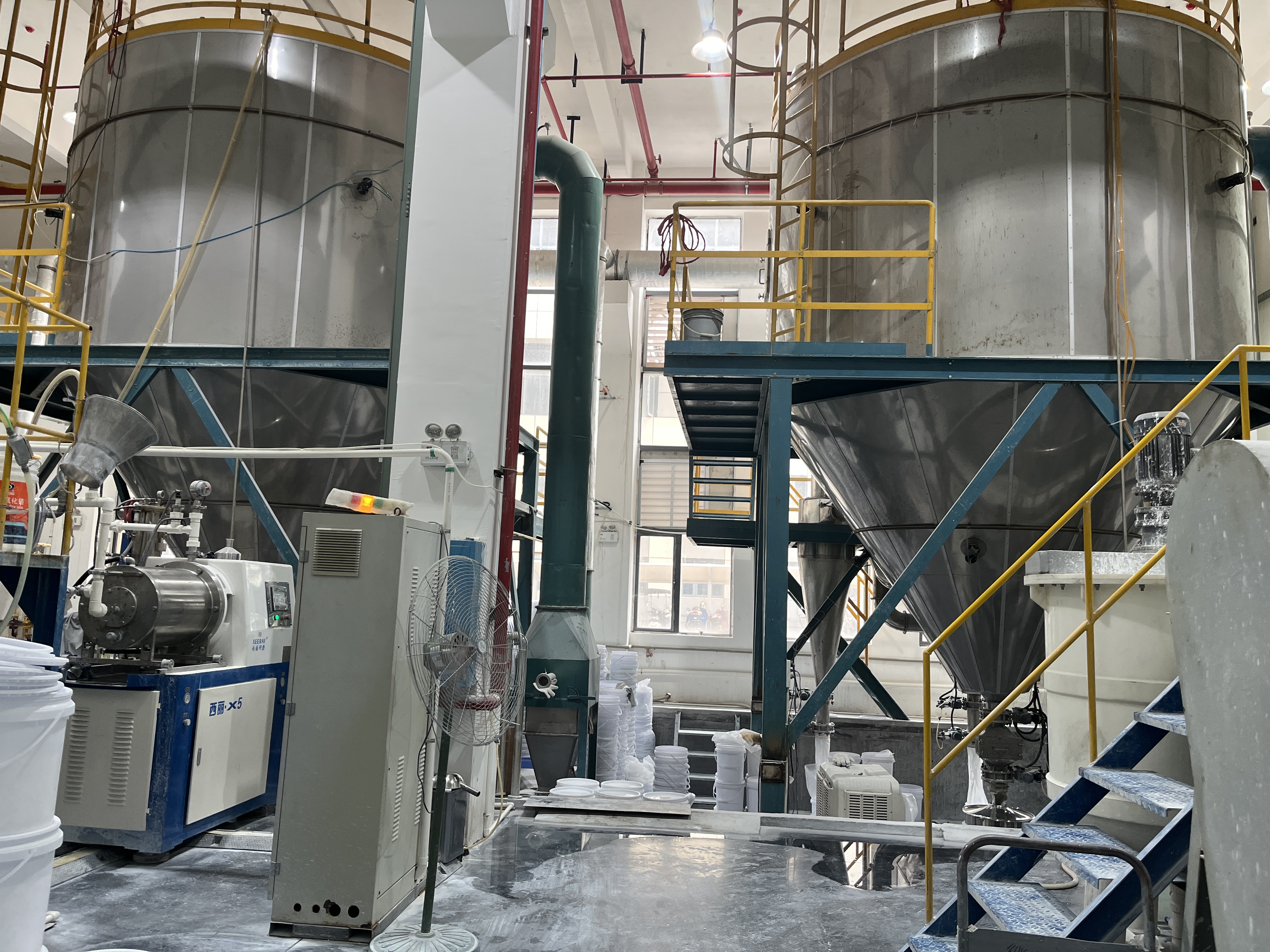
Figure 3: Spray-drying and granulation tower for homogeneous ceramic valve feedstock
Material Comparison for Chemical Processing Valves
The table below compares zirconia ceramic valves with common metal and polymer valve materials used in chemical service.
| Property |
Zirconia Ceramic Valve |
Stainless Steel |
Alumina Ceramic |
PTFE-Lined Metal |
| Corrosion Resistance |
Excellent |
Limited |
Very good |
Good |
| Abrasion Resistance |
Excellent |
Moderate |
Excellent |
Low |
| Fracture Toughness |
Excellent |
Excellent |
Moderate |
Excellent |
| Temperature Range |
Wide |
Wide |
High |
Narrow |
| Best Fit |
Corrosion + abrasion |
Mild chemicals, impact |
Light slurry, high purity |
Low-cost mild acids |
For related sealing technology, explore zirconia ceramic seals for industrial applications and custom zirconia parts for extreme wear and corrosion.
Applications of Ceramic Valves Across Industries
Chemicals and Petrochemicals
In the chemical and chemical-mechanical engineering sectors, ceramic valves control acid transfer, catalyst slurry handling and solvent recovery with minimal degradation.
Pharmaceutical Production
The pharmaceutical industry needs inert, non-contaminating surfaces. Ceramic valves prevent metallic ion pickup during solvent and API processing.
Battery Material Processing
Lithium, cobalt and nickel slurries are both abrasive and chemically active. Ceramic valves and valve cores protect downstream equipment and product purity.
Water Treatment
Chlorinated and saline water attack metal valves. Ceramic valves deliver stable flow control and longer life in desalination and wastewater plants.
Semiconductor Chemical Delivery
In the semiconductor field, ultra-pure chemical delivery systems require valves that do not shed particles or metallic contamination.
Paints, Inks and Coatings
Pigment and resin slurries wear valve internals. Ceramic components maintain consistent shut-off in coating batching and dispersion systems.
Related reading: ceramic valve core structural characteristics, enhancing fluid control efficiency, and solving erosion and corrosion challenges.
How to Select a Ceramic Valve for Chemical Processing
- Identify the fluid chemistry — list pH range, halides, organics and solids loading to match the ceramic grade.
- Match the zirconia grade — 3Y zirconia offers maximum toughness, while higher-yttria grades suit chemical and thermal stability needs.
- Define temperature and pressure — verify thermal shock resistance and maximum operating pressure for the valve size.
- Choose the sealing design — floating, trunnion or lift-style cores affect leakage class and actuation torque.
- Check surface finish — finely lapped ceramic seats reduce leakage and particle shedding in high-purity service.
For selection guidance, read testing standards for precision zirconia ceramic valve cores and micron-level tolerances for consistent flow control.
The Bottom Line
Ceramic valves combine the corrosion resistance of inert ceramics with the toughness needed for real industrial duty. In chemical processing, they solve the twin problems of aggressive media attack and abrasive erosion while maintaining reliable sealing and long service life. From fine chemical plants to battery material lines, a well-engineered ceramic valve reduces leaks, extends maintenance cycles and protects product purity.
If your chemical process is wearing out metal valves too quickly, upgrading to engineered ceramic valve technology can improve reliability and cut lifecycle costs.
Get Corrosion-Resistant Ceramic Valves from CRAC
CRAC supplies precision ceramic valve cores, seats and custom valve components for chemical, pharmaceutical, battery and semiconductor applications.