Semiconductor and precision equipment manufacturers demand components that combine extreme dimensional accuracy, cleanliness, wear resistance and thermal stability. Ceramic mechanical parts meet these demands better than most metals and polymers, making them indispensable in wafer handling, vacuum chambers, fluid systems and test fixtures.
This article explains the key advantages of using ceramic mechanical parts in semiconductor and precision equipment applications, and what engineers should consider when selecting a material and supplier.
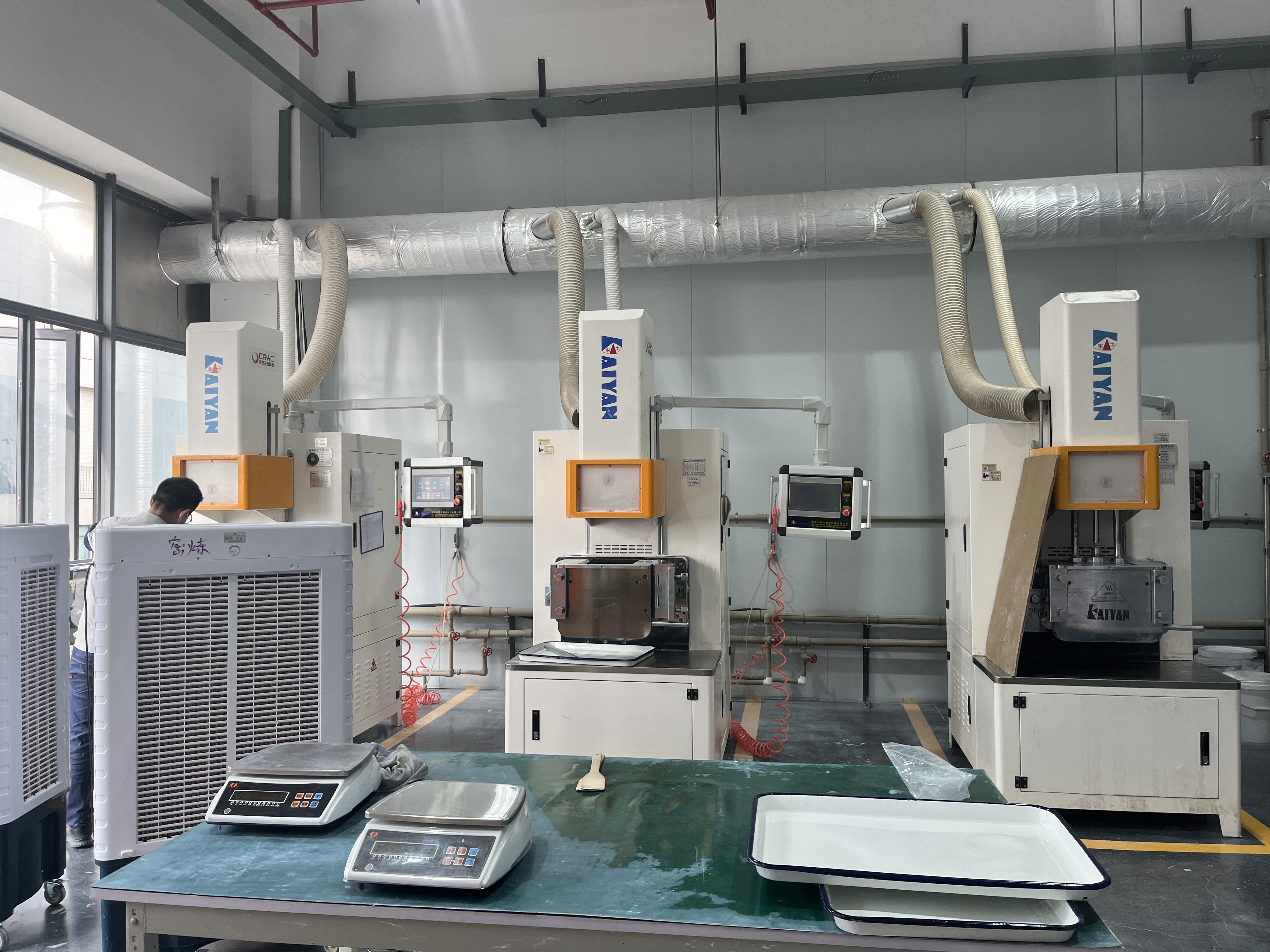
Figure 1: Precision feeding workshop ensures consistent ceramic raw material formulation
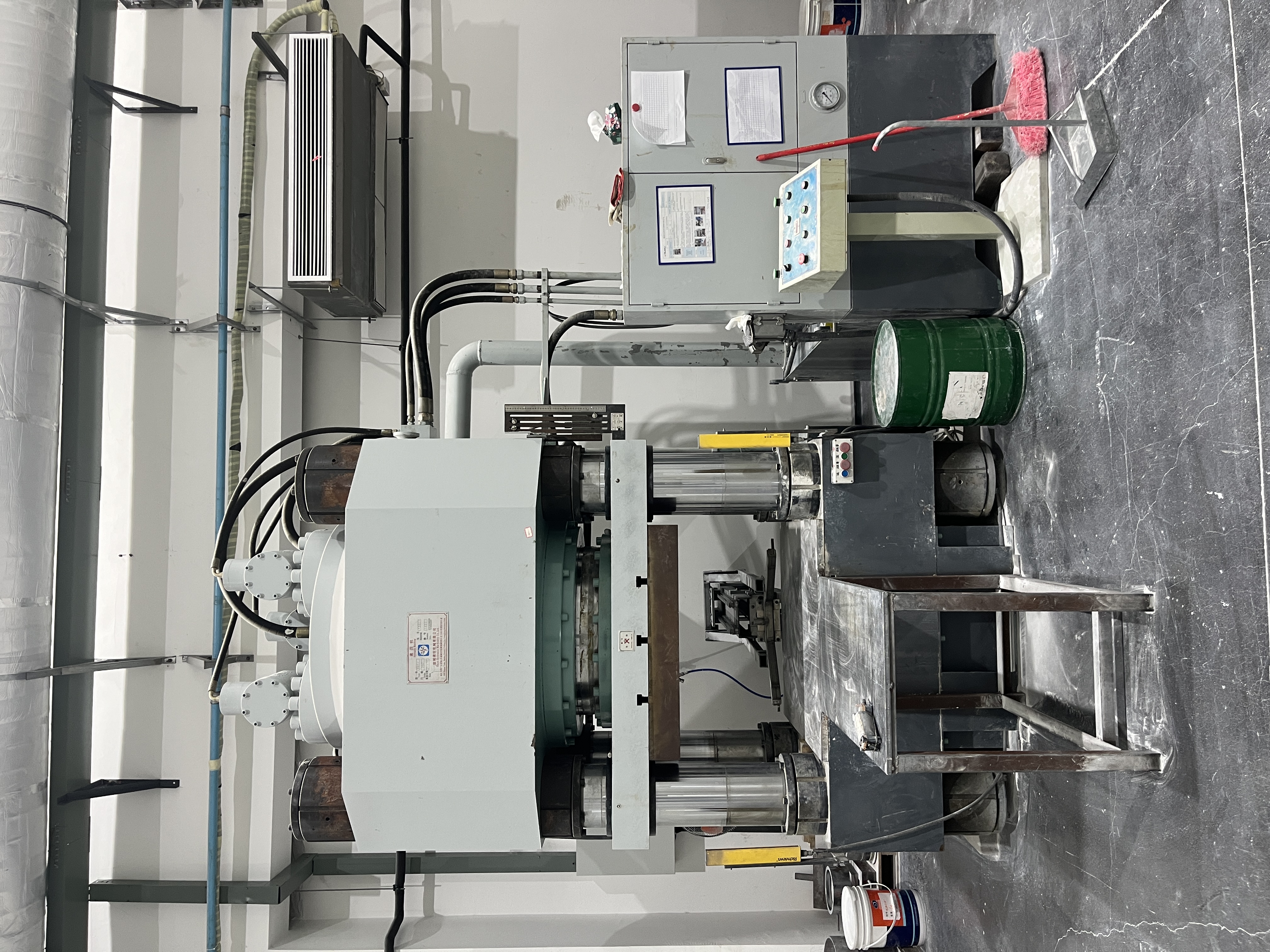
Figure 2: High-tonnage dry pressing forms near-net ceramic blanks for precision machining
Why Ceramic Mechanical Parts Excel in Semiconductor and Precision Equipment
In cleanroom and precision environments, component failure is expensive. Even microscopic wear debris, thermal distortion or chemical attack can ruin a batch of wafers or throw off calibration. Precision ceramic parts solve these problems with a unique combination of properties.
1
Micron-Level Precision
Advanced grinding, CNC machining and CIM enable tight tolerances and complex geometries required for semiconductor tooling. Explore precision ceramic engineering capabilities.
2
Exceptional Wear Resistance
High hardness reduces particle generation and extends service life in sliding, rotating and indexing mechanisms. See how wear-resistant ceramic parts outperform metals.
3
Chemical and Corrosion Inertness
Ceramics resist acids, solvents and process gases used in etching, cleaning and deposition tools. Ceramic mechanical parts maintain integrity where metals corrode.
4
Thermal Stability
Low thermal expansion and high-temperature strength keep dimensions stable during plasma, baking and thermal cycling processes.
5
Electrical Insulation
High dielectric strength makes ceramics ideal for fixtures, guides and spacers near charged wafers or electrodes.
6
Low Particle Generation
Dense, fine-grained surfaces produce minimal contamination, protecting sensitive wafers, optics and coatings.
Material Comparison for Precision Equipment
Engineers typically choose between zirconia, silicon nitride, alumina and high-performance metals. The table below highlights where ceramics lead.
| Property |
Zirconia Ceramic |
Silicon Nitride |
Alumina Ceramic |
Hardened Steel |
| Hardness |
Excellent |
Excellent |
Very good |
Moderate |
| Toughness |
Very high |
High |
Moderate |
High |
| Thermal Expansion |
Low |
Very low |
Low |
High |
| Corrosion Resistance |
Excellent |
Excellent |
Very good |
Limited |
| Best Application |
Valves, seals, guides, plungers |
Bearings, high-speed spindles |
Insulators, fixtures, low-cost parts |
General mechanical structures |
For more detail on material choices, read about silicon nitride in semiconductor manufacturing and advanced ceramics driving next-gen material innovation.
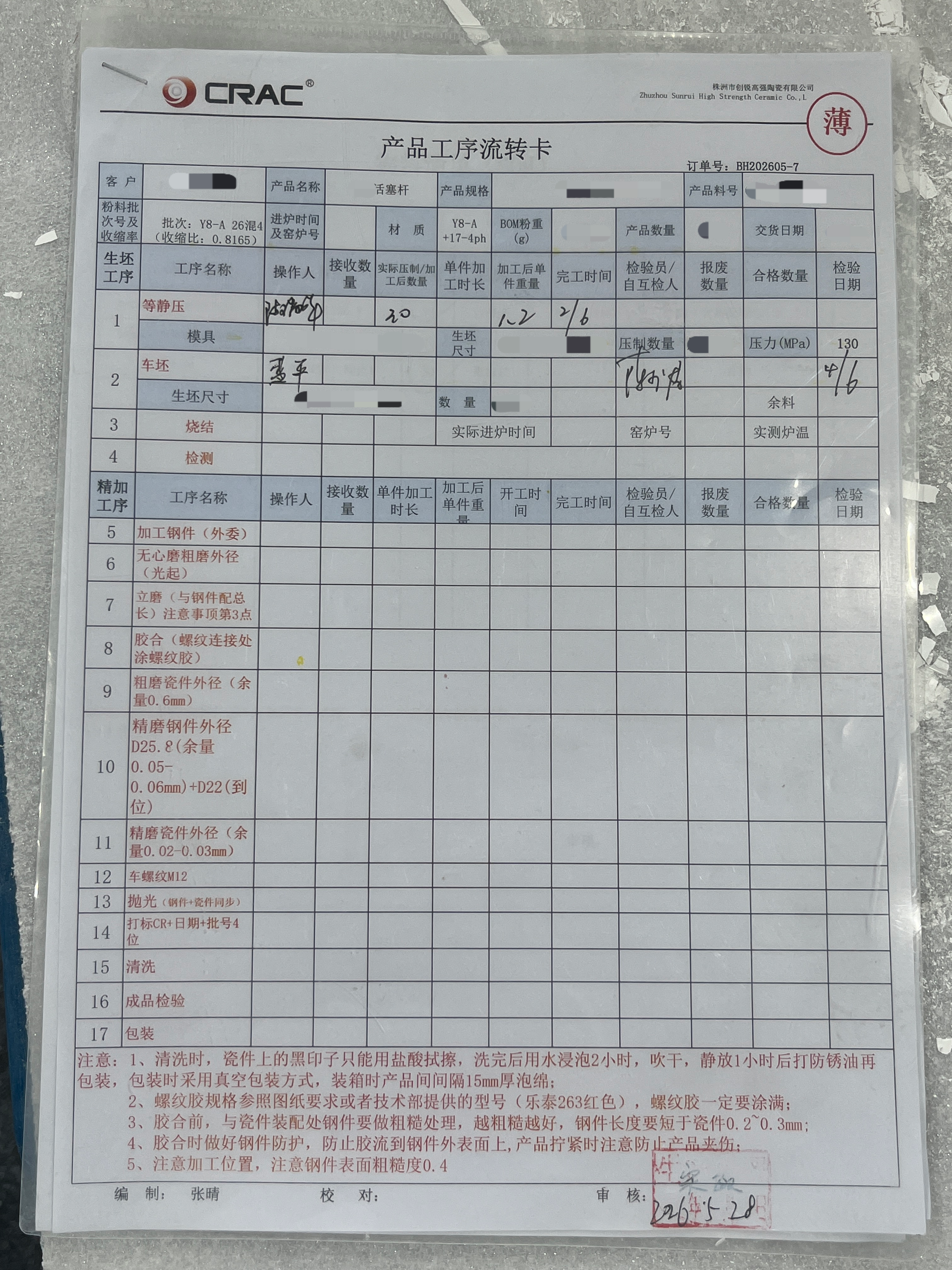
Figure 3: Process routing cards track every operation for full quality traceability
Semiconductor and Precision Equipment Applications
Wafer Handling and Positioning
Ceramic end effectors, guides and pins move wafers without scratching or metallic contamination. Low thermal expansion keeps pick-and-place accuracy stable across temperature cycles.
Vacuum and Process Gas Systems
Valve cores, seals and nozzles exposed to corrosive gases benefit from ceramic chemical inertness. Learn more about precision zirconia valve cores for flow control.
Optical and Metrology Fixtures
Dimensionally stable ceramic mounts and spacers hold lenses, mirrors and sensors in alignment over long periods, even in thermally varying environments.
Test Sockets and Probing Stations
High stiffness and electrical insulation make ceramics ideal for test sockets, probe guides and contact plates in IC testing.
Related reading: precision injection molded zirconia structural parts, zirconia ceramic seals, and zirconia ceramic shafts.
Selecting Ceramic Mechanical Parts for Precision Use
- Define operating conditions — temperature range, chemicals, loads, speed and required cleanliness class.
- Choose the ceramic grade — zirconia for impact and wear, silicon nitride for thermal shock and speed, alumina for insulation and economy.
- Specify tolerances and surface finish — precision equipment often needs micron tolerances and polished surfaces to minimize friction and contamination.
- Validate traceability — every part should be linked to raw material batch, process routing and inspection records, as shown in CRAC's process cards.
- Partner with a precision-capable supplier — look for ISO-level inspection, CIM capability and proven semiconductor experience.
For guidance on supplier evaluation, see key technologies behind precision ceramic manufacturing.
The Bottom Line
Ceramic mechanical parts give semiconductor and precision equipment manufacturers the dimensional stability, wear resistance, chemical inertness and cleanliness needed in today's most demanding processes. Whether the application is wafer handling, CMP, vacuum systems or precision pumps, selecting the right ceramic grade and a capable manufacturing partner directly impacts yield, uptime and product reliability.
If you are specifying ceramic components for semiconductor or precision equipment, start by matching the material to the operating environment and the supplier to your tolerance and traceability requirements.
Source Ceramic Mechanical Parts for Semiconductor and Precision Equipment
CRAC manufactures precision ceramic mechanical parts, valve cores, seals, plungers and custom components for semiconductor, metrology and precision equipment customers worldwide.