In paint, ink and coating production, the grinding and dispersion stage decides your product's fineness of grind, color strength, gloss and batch-to-batch consistency. The wrong grinding media leaves coarse particles on the Hegman gauge, dulls color development and contaminates light-colored bases with gray wear debris. The right ceramic grinding media — matched to your mill, pigment system and target fineness — shortens dispersion cycles while protecting color and purity.
This selection guide explains how to choose grinding media for pigment, dye and coating production: which ceramic media material fits which formulation, how bead size maps to target fineness, and how to avoid the contamination and wear problems that quietly erode margin.
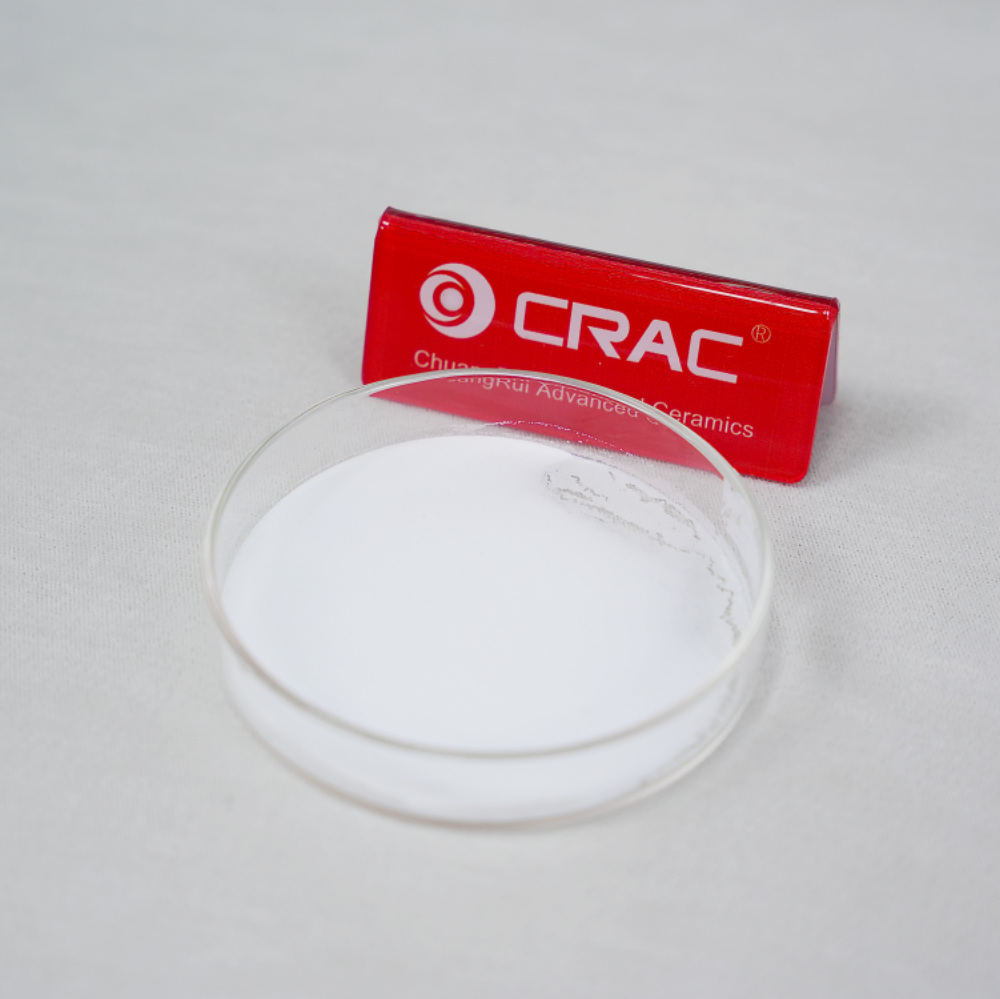
Figure 1: High-density zirconia beads for pigment dispersion in paint and coating production
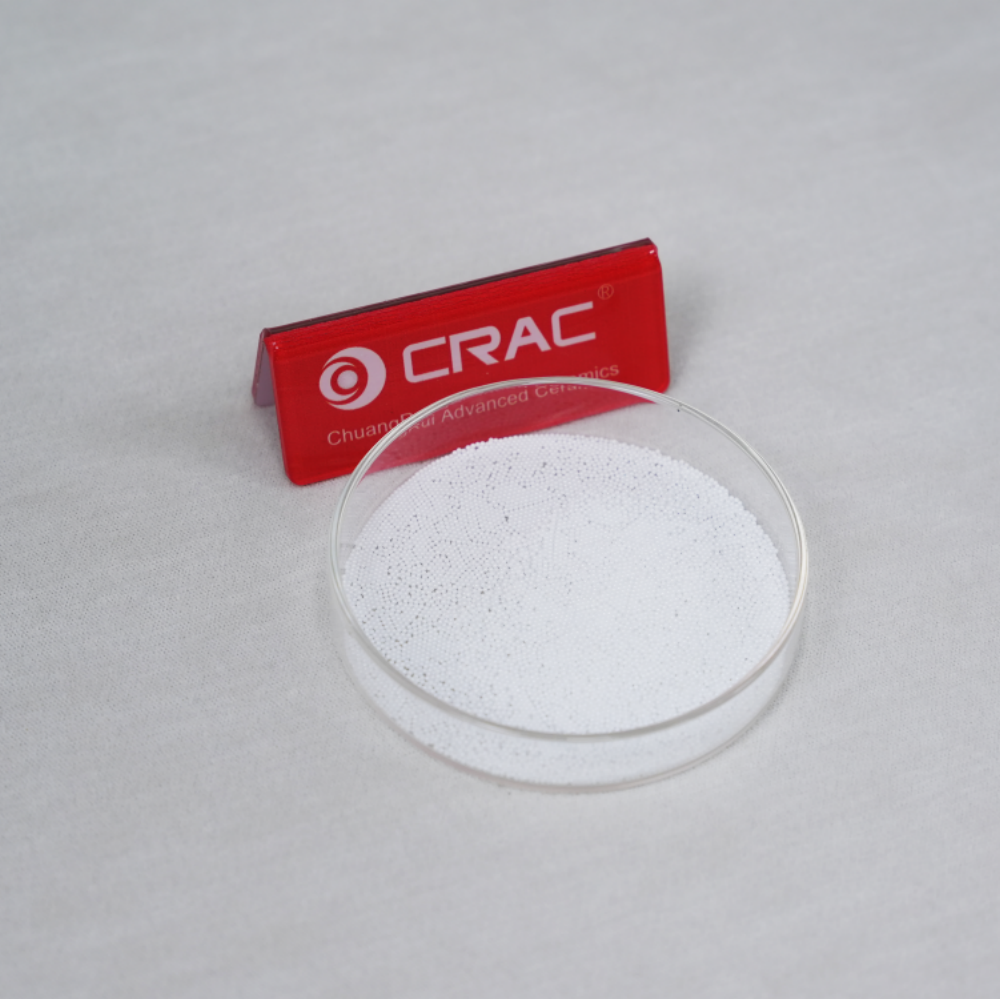
Figure 2: Tight sphericity and narrow size distribution for uniform shear in ink milling
Four Factors That Decide Media Selection
1
Media Material
Yttria-stabilized zirconia, alumina and silicon nitride each trade density, wear rate and cost differently. Match the material to pigment hardness and purity needs.
2
Bead Size
Smaller beads create more contact points per liter of chamber, enabling finer dispersions. Nano inkjet inks need sub-0.1 mm media; primers may use 1.0 mm and above.
3
Density & Hardness
Denser media delivers stronger impact per collision for tough TiO2 and iron-oxide pigments, but demands higher mill power and sturdier separators.
4
Wear & Contamination
Media wear enters the product as gray or off-color debris. High-wear-resistance ceramic media keeps whites bright and meets demanding color specs.
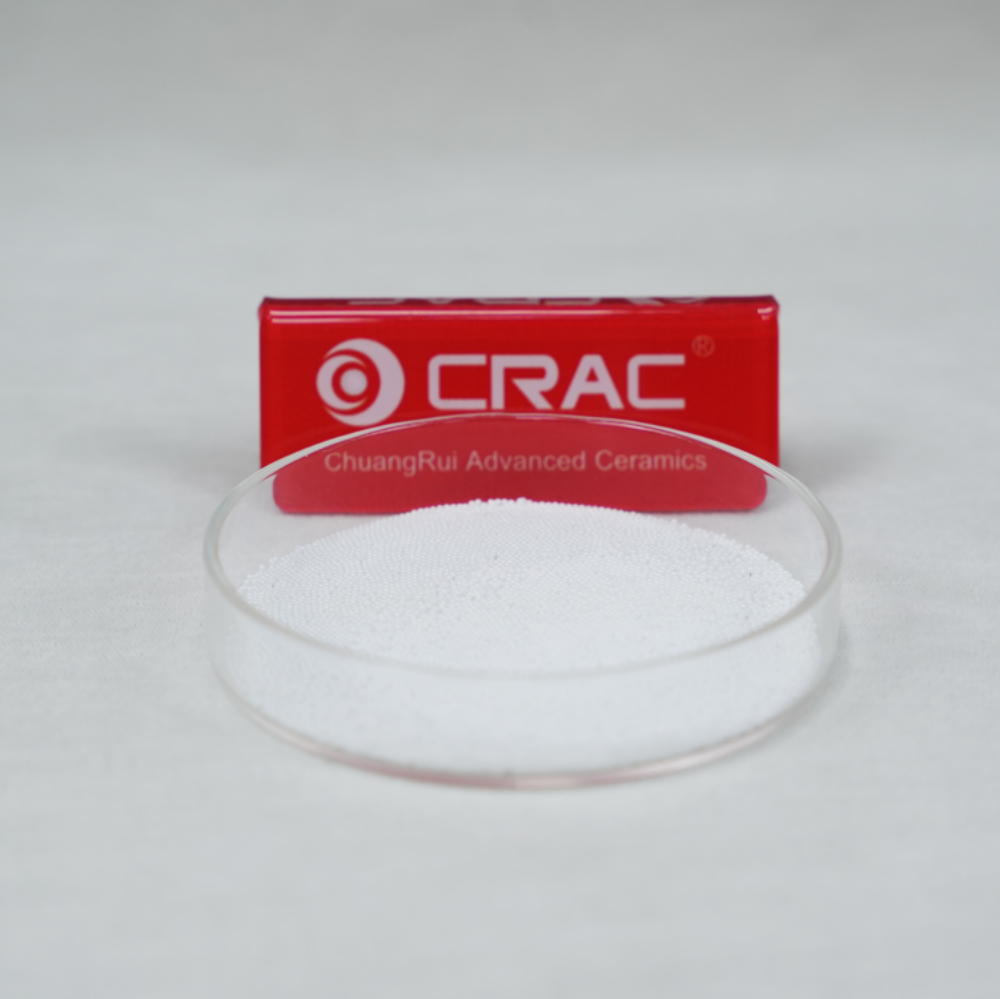
Figure 3: Batch-inspected ceramic beads — consistent quality for reproducible color strength
Why Media Choice Matters in Paint, Ink and Coating
Dispersion quality is the hidden variable behind most color and finish complaints. Three product metrics trace directly back to the grinding stage:
1. Fineness of Grind
Measured on a Hegman gauge, typical targets run 12.5–20 µm for architectural paint and below 8 µm for high-gloss industrial coatings. Coarse tails cause seed, streaking and sieve residue.
2. Color Development
Fully de-agglomerated pigment particles expose maximum surface area. That means stronger tinting strength — often the difference between 92% and 100% color yield from the same pigment load.
3. Gloss & Clarity
In automotive OEM and inkjet applications, residual oversize particles scatter light and kill DOI (distinctness of image). Clean, narrow PSD protects the finish your customer pays for.
These are exactly the bottlenecks addressed in how advanced ceramics enhance ink and coating production — and the reason high-density zirconia beads reduce operational costs in ink and coating dispersion: faster cycles to fineness, less media top-up, fewer off-color batches.
Ceramic Media Material Comparison
Three ceramic media families dominate modern paint and ink mills. Their working properties differ enough that the wrong pick can double your dispersion time:
| Property |
Yttria-Stabilized Zirconia (YSZ) |
Alumina (Al2O3) |
Silicon Nitride (Si3N4) |
Glass Beads |
| Density (g/cm³) |
6.0 |
3.7 |
3.2 |
2.5 |
| Hardness (HV) |
1,200+ |
1,400–1,600 |
1,500+ |
~550 |
| Relative Wear Rate |
Very low |
Moderate |
Lowest |
High |
| Contamination Risk |
Minimal (white wear) |
Low |
Minimal |
High (gray debris) |
| Cost Level |
Premium |
Economical |
Premium |
Economical |
| Best For |
Nano pigments, inkjet inks, high-gloss coatings |
Architectural paint, TiO2 dispersion |
Ultra-high-purity and dark-color systems |
Low-viscosity premix only |
For a deeper dive, see zirconia beads vs alumina beads, the comparative analysis of grinding media, and our coverage of alumina beads in grinding and dispersing. Glass and steel media may look cheap per kilogram — but the true cost of cheap beads shows up in longer cycles, frequent top-up and rejected color batches.
Matching Bead Size to Application
A practical rule: smaller beads produce finer dispersions but require higher-energy mills and finer separators. Use the table below as a starting point, then validate with a Hegman gauge and particle size analysis:
| Application |
Target Fineness |
Recommended Bead Size |
Typical Media |
| Architectural / decorative paint |
Hegman 4–6 (25–50 µm) |
1.0–1.5 mm |
Alumina or YSZ |
| Industrial / automotive coatings |
Below 15 µm |
0.4–0.8 mm |
YSZ |
| Pigment concentrates / tinters |
Below 10 µm |
0.3–0.6 mm |
YSZ |
| Offset / gravure printing inks |
Below 8 µm |
0.3–0.8 mm |
YSZ |
| UV-curable / digital inkjet inks |
D50 below 300 nm |
0.05–0.1 mm |
Nano YSZ |
| Carbon black / organic pigments |
Maximum color yield |
0.1–0.3 mm |
YSZ or Si3N4 |
For sub-100 nm colorants, 0.05 mm zirconia balls unlock true nano dispersion, while 0.5 mm zirconia balls remain the workhorse size for general pigment dispersion. Additional sizing methodology is covered in choosing the optimal zirconia ball size and grade.
Recommendations by Product Line
🎨 Paint
- Start with 0.8–1.2 mm alumina for volume grades
- Move to YSZ 0.4–0.6 mm for premium and white bases
- Verify Hegman fineness every batch
🖊️ Ink
- YSZ 0.3–0.8 mm for offset and gravure inks
- Sub-0.1 mm nano YSZ for inkjet channels
- Watch viscosity rise when stepping down bead size
🛡️ Coating
- YSZ 0.4–0.8 mm for automotive and coil coatings
- Si3N4 media where color purity is critical
- Protect DOI and gloss with narrow-PSD media
Chemical and coating-industry process support is summarized in our chemicals industry service page, and mill hardware matters too — pair the right media with compatible ceramic grinding beads and machine internals for best results.
Four Selection Mistakes That Cost Money
1. Buying Media on Price Alone
Cheap glass or low-grade ceramic beads wear fast. Wear debris discolors whites and pastels, and frequent top-up erases the purchase saving within months.
2. Oversizing the Bead
Running 1.5 mm media for a 10 µm target caps your achievable fineness. The dispersion plateaus while energy bills and cycle times keep climbing.
3. Ignoring Separator Limits
Sub-0.1 mm beads demand gap or centrifugal separators in good condition. Worn screens let beads into the product — the classic source of inkjet nozzle clogging.
4. Skipping Wear Monitoring
Without periodic bead-charge checks, media level silently drops, grinding energy collapses, and throughput drifts down batch after batch.
To avoid the contamination trap entirely, read solving slurry contamination with zero-pollution grinding media and how to extend equipment service life with ceramic grinding beads.
5-Point Selection Checklist
- Define target fineness first — Hegman value or D50/D90 from your quality spec drives bead size.
- Audit your mill — energy input, rotor tip speed and separator type set the feasible media range.
- Match media to pigment — hard TiO2 and iron oxides favor dense YSZ; soft organics tolerate finer sizes.
- Demand wear data — ask suppliers for wear-rate values in comparable formulations, not generic claims.
- Run a documented trial — compare cycle time to fineness, color strength and media loss before converting the line.
For the full decision framework, see how to select ceramic grinding media for high-intensity milling, optimizing milling efficiency with ceramic grinding media and the ultimate guide to zirconia beads.
The Bottom Line
Selecting grinding media for paint, ink and coating applications comes down to four decisions made in order: media material matched to pigment hardness and color purity, bead size matched to target fineness, density matched to mill capability, and wear resistance matched to your contamination tolerance. Get these right and dispersion cycles shorten, color strength rises, and off-spec batches become rare.
As formulations trend finer — nano colorants, inkjet channels, high-DOI automotive finishes — the gap between commodity and engineered ceramic media keeps widening. Validate your choice with a documented trial, and let the Hegman gauge and particle size analyzer make the final decision.