


When grinding requirements push beyond conventional limits—sub-micron particle sizes, zero metal contamination, and aggressive chemical environments—standard ceramic media often fall short. Silicon nitride (Si3N4) beads are engineered specifically for these extreme conditions. With hardness second only to diamond and cubic boron nitride, they deliver grinding performance that surpasses zirconia-based media in precision-critical applications.
This article examines the five core advantages that make Si3N4 beads the definitive choice for ultra-fine grinding and high-purity processing—backed by material science, real-world data, and industry-specific recommendations.
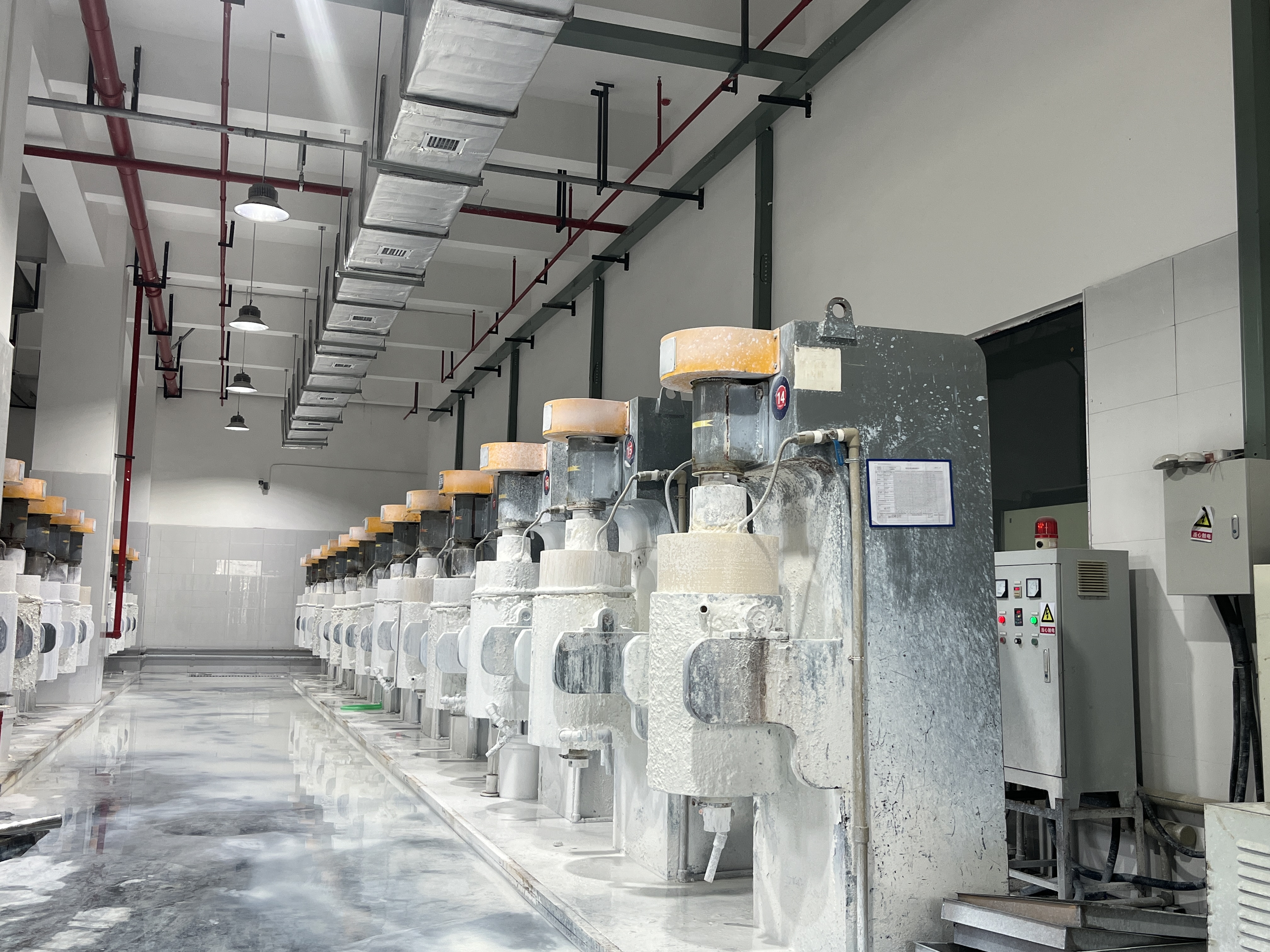
Figure 1: Si3N4 bead polishing workshop — surface finishing for consistent sphericity
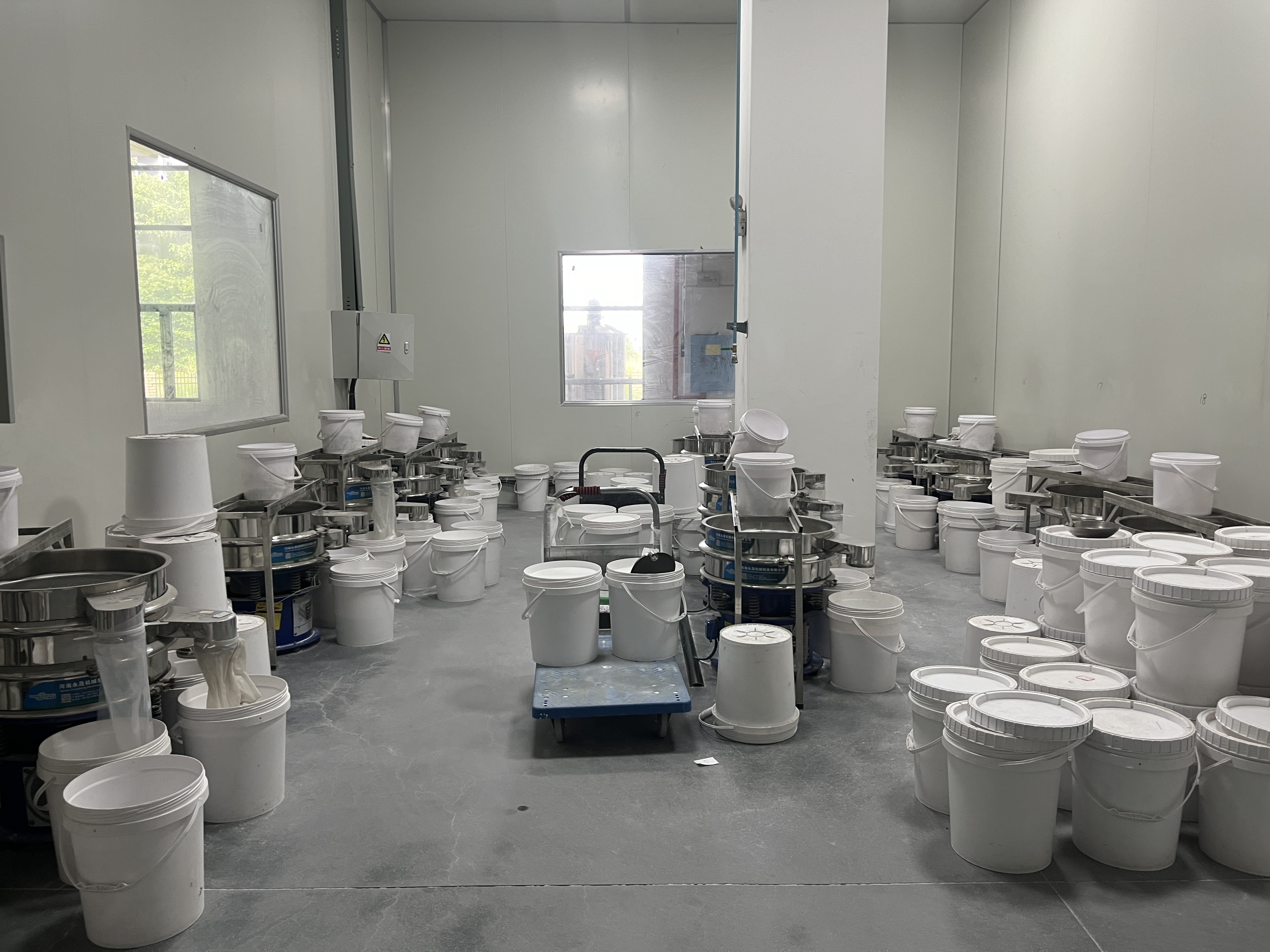
Figure 2: Precision screening ensures narrow particle size distribution (PSD)
Five Core Advantages at a Glance
Extreme Hardness
HV 1,500–1,700 — second only to diamond. Achieves sub-100 nm particle sizes that softer media cannot reach.
Zero Contamination
Chemically inert — no metal ion leaching. Essential for high-purity semiconductor and electronic material processing.
Minimal Wear Rate
Wear rate ~0.01% per 1,000 hours — 5–10× lower than YSZ in aggressive high-energy milling.
Thermal Stability
Withstands 1,200°C continuous — maintains structural integrity where zirconia degrades at 800–1,000°C.
Lower Energy Cost
Density 3.2 g/cm³ — 47% lighter than YSZ. Reduces motor load and energy consumption in large-scale milling operations.
Self-Lubricating
Low friction coefficient reduces heat generation during milling, protecting heat-sensitive materials from thermal degradation.
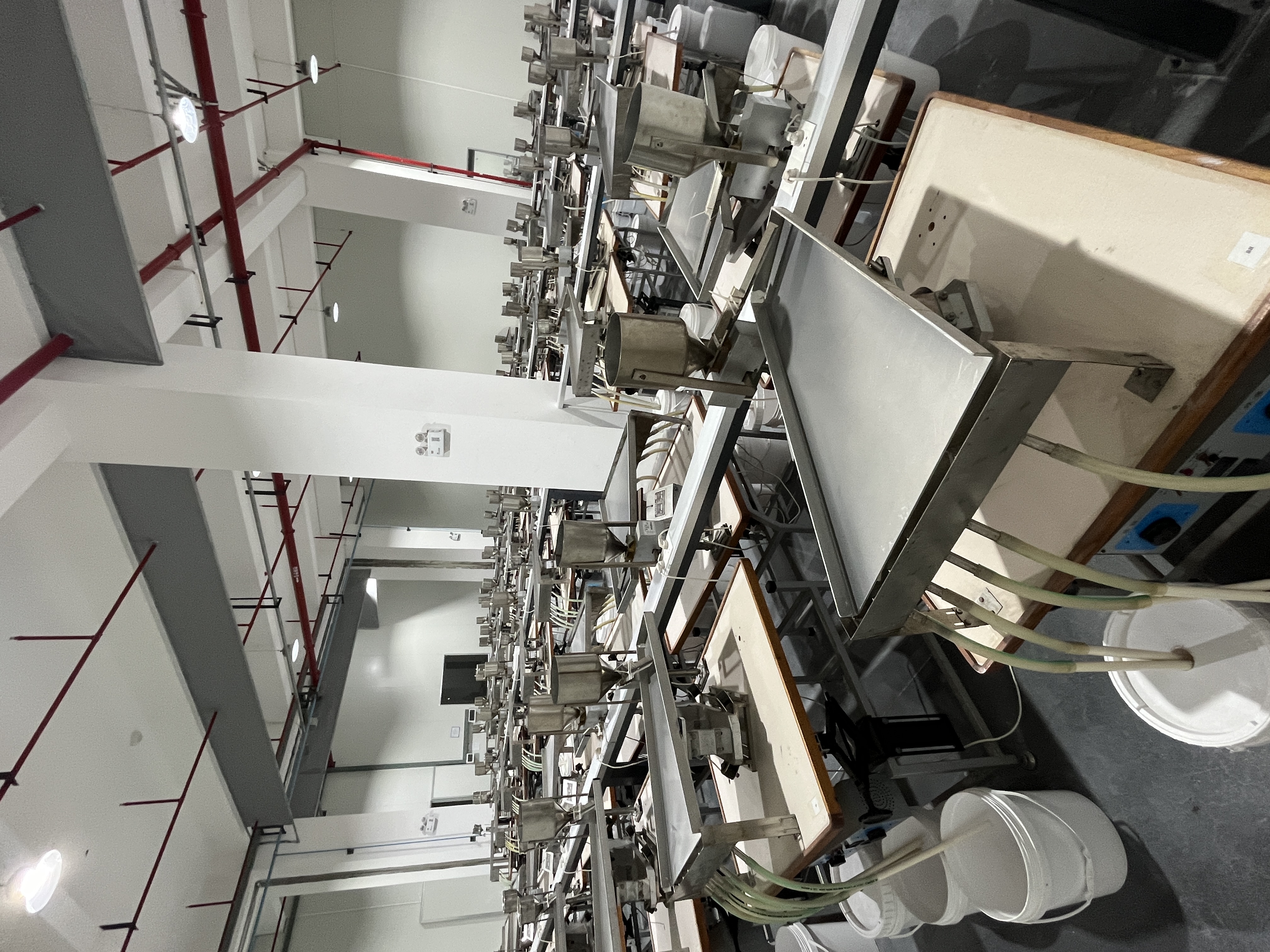
Figure 3: Finished Si3N4 bead selection — stringent quality control ensures batch-to-batch consistency
What Are Silicon Nitride (Si3N4) Beads?
Silicon nitride is an advanced technical ceramic synthesized through the reaction bonding or pressureless sintering of silicon powder in a nitrogen atmosphere. The resulting material combines covalent Si–N bonds with a needle-like β-Si3N4 grain structure that delivers a rare combination of extreme hardness, low density, and exceptional fracture toughness—properties that individually exist in other ceramics but almost never together.
Key Physical Properties
| Hardness (HV) | 1,500–1,700 |
| Density | 3.20–3.25 g/cm³ |
| Fracture Toughness | 6–8 MPa·m1/2 |
| Young's Modulus | 300–320 GPa |
| Max Service Temp. | 1,200°C (air) |
| Thermal Conductivity | 20–30 W/m·K |
Available Specifications
| Size Range | 0.05–30 mm |
| Purity | ≥ 99.5% |
| Sphericity | ≥ 0.95 |
| Color | Gray / Dark Gray |
CRAC's ultra-wear-resistant Si3N4 microbeads are manufactured using gas-pressure sintering (GPS) and hot isostatic pressing (HIP), which together achieve near-theoretical density while preserving the fine-grained microstructure critical for consistent grinding performance. For demanding applications such as semiconductor CMP slurry dispersion, every production batch undergoes rigorous purity certification.
Advantage 1 — Extreme Hardness Enables True Ultra-Fine Grinding
The most fundamental parameter in grinding media performance is hardness. A bead must be significantly harder than the material it grinds—otherwise, the bead itself becomes the limiting factor. With a Vickers hardness of 1,500–1,700 HV, Si3N4 sits at the very top of the ceramic hardness hierarchy:
ceramic grinding media — Hardness Comparison (HV)
This hardness advantage translates directly to achievable particle size. While YSZ beads typically reach 200–500 nm floor particle sizes, Si3N4 routinely pushes below 100 nm—a critical threshold for advanced battery cathode materials (NMC, LFP), electronic ceramic powders (MLCC dielectrics), and functional pigment dispersions. For semiconductor-grade material processing, this sub-100 nm capability is not optional—it's mandatory.
Advantage 2 — Zero-Contamination Processing for High-Purity Demands
Metal contamination is the silent killer of high-value grinding processes. Even trace levels of Fe, Cr, or Zr ions—parts per million—can ruin semiconductor wafers, discolor pharmaceutical intermediates, or destabilize battery electrolyte formulations. Si3N4 beads address this with three layers of protection:
Covalent Bonding
Strong Si–N covalent bonds resist chemical attack—unlike the ionic bonding in zirconia that can release Y³⁺ or Zr⁴⁺ ions in acidic conditions.
Passivation Layer
A nanoscale SiO2 passive film forms naturally on the bead surface, creating a self-healing barrier against further dissolution—even in aggressive pH environments.
Certified Purity
Every batch ≥ 99.5% Si3N4 purity with trace element certificate—critical for semiconductor industry audit compliance.
⚡ Pro Tip: For applications where even silicon contamination is unacceptable (e.g., silicon wafer polishing), specify Si3N4 beads with a post-sintering acid-leaching treatment. This removes any residual surface silica while preserving the bead integrity. Learn more about contamination control strategies →
Advantage 3 — Minimal Wear Rate for Extended Service Life
Bead wear directly determines three costs: media replacement cost, product contamination cost, and downtime cost. Si3N4's wear performance is exceptional across the board:
In practical terms: for a 500-liter bead mill running 24/7 in a lithium battery cathode production line, switching from YSZ to Si3N4 can extend media replacement intervals from quarterly to annual—a significant operational cost reduction. The combined savings from fewer changeovers, less contamination-related scrap, and longer equipment protection are examined in detail in our grinding media selection guide.
Advantage 4 — Superior Thermal Stability & Chemical Resistance
🌡️ Thermal Advantages
- Service ceiling: 1,200°C in air (YSZ: ~900°C)
- Negligible thermal expansion (α ≈ 3.2 × 10⁻⁶/°C)
- Exceptional thermal shock resistance (ΔT > 800°C)
- No low-temperature degradation (unlike zirconia's LTD issue in humid environments)
- Maintains hardness at elevated temperatures where zirconia softens
⚗️ Chemical Resistance
- pH 1–14 — stable across full range
- Resistant to: HF (dilute), H2SO4, HNO3, HCl, NaOH, KOH
- Inert to organic solvents (NMP, acetone, ethanol, toluene)
- No galvanic corrosion in mixed-media systems
- Compatible with pharmaceutical-grade CIP/SIP sterilization
Advantage 5 — Lower Density Reduces Energy Consumption
At 3.2 g/cm³, Si3N4 is approximately 47% lighter than YSZ (6.0 g/cm³). This density difference has cascading practical benefits in industrial grinding operations:
Grinding Media Density Comparison (g/cm³)
15–25% Lower Motor Load
Less mass to accelerate means lower peak current draw and reduced energy cost per ton of material processed.
Reduced Mill Wear
Lower bead mass = lower impact force on chamber walls and agitator discs, extending equipment service life.
Less Frictional Heating
Self-lubricating nature + low density reduces thermal build-up, protecting heat-sensitive pharmaceutical and pigment materials.
Industry Applications & Use Cases
Si3N4 vs YSZ vs Al2O3 — Choosing the Right Media
While Si3N4 excels in ultra-fine and high-purity applications, it's not the universal answer. Understanding where each ceramic type fits is essential for making an informed media selection:
✅ Quick Win: For operations currently using YSZ beads and experiencing contamination-related quality rejections in semiconductor or pharmaceutical production, switching to Si3N4 typically reduces rejection rates by 60–80% — often justifying the higher bead cost within the first production quarter.
When NOT to Use Si3N4 Beads
Transparency matters in media selection. Here are scenarios where alternative media may be more appropriate:
Budget-Constrained, Non-Critical Applications
For commodity grinding where target PSD is > 1 μm and purity requirements are relaxed, YSZ or alumina beads offer better initial cost efficiency.
Silicon-Sensitive Products
For products where even ppm-level Si contamination is critical (e.g., certain optical materials), pure YSZ with verified Y³⁺ leach rates may be safer.
High-Impact Energy Processes
In processes requiring maximum impact force per bead (e.g., coarse de-agglomeration), the lower density of Si3N4 means less kinetic energy per collision vs. denser YSZ.
Short Production Runs
For small-batch or pilot-scale testing where wear is negligible, the premium cost of Si3N4 may not amortize within the production window.
The Bottom Line
Silicon nitride beads represent the performance ceiling for ceramic grinding media today. Their unique combination of extreme hardness, near-zero contamination risk, exceptional wear resistance, thermal stability, and lower density make them irreplaceable for high-purity and ultra-fine processing applications where conventional media fall short.
The decision framework is straightforward: if your process requires sub-200 nm particle sizes, sub-ppm metal contamination levels, or operates in chemically aggressive environments, Si3N4 is not just the best option—it's effectively the only ceramic option that meets all three requirements simultaneously. For general-purpose grinding where these constraints don't apply, YSZ or alumina remain cost-effective alternatives with well-established performance profiles.
As next-generation material processing pushes toward tighter specifications across the electronics, energy storage, and pharmaceutical sectors, the adoption of Si3N4 grinding media is accelerating—not as a premium upgrade, but as a baseline requirement for competitive manufacturing.
Upgrade to Si3N4 Grinding Media Today
Whether you're scaling battery material production, optimizing semiconductor CMP processes, or developing next-gen pharmaceuticals—CRAC's ultra-wear-resistant Si3N4 microbeads are manufactured with GPS + HIP technology for maximum density, purity, and batch-to-batch consistency.